

Matignon: Emergency Social Conference Next Monday to Address Wages and Purchasing Power in France
The French Prime Minister's Office announced that Sébastien Lecornu will host an emergency 'social conference' next Monday with trade unions and employer representatives to address purchasing power and wages following nationwide strikes.

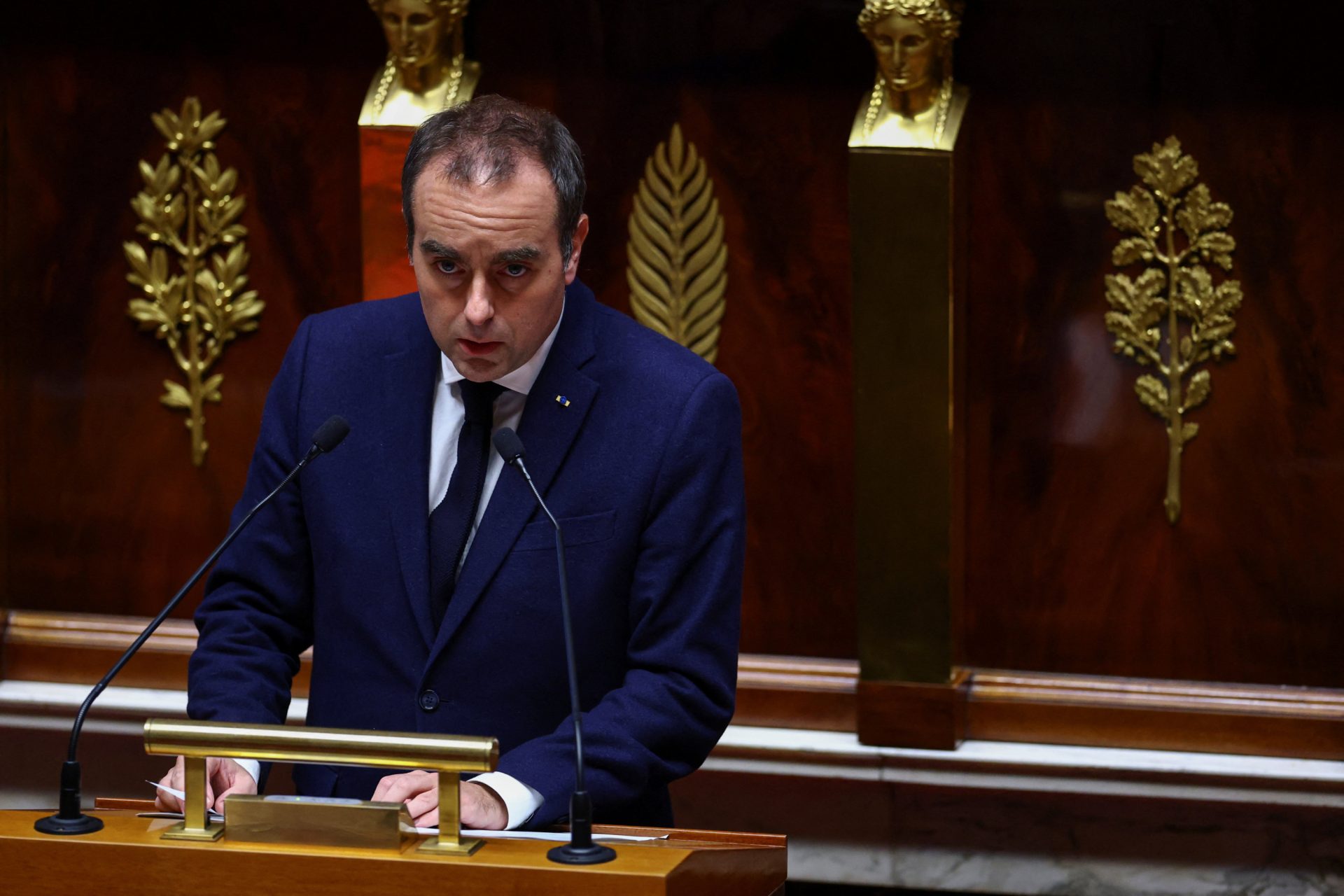
- Matignon is hosting a conference bringing together unions and employers on Monday to provide answers regarding purchasing power.
- Broad union demands call for raising the minimum wage (Smic) by 100 euros or 10% and indexing wages to inflation.
- The Minister of Labor stresses that wage increases are not off-limits but require consideration of their impact on the job market.
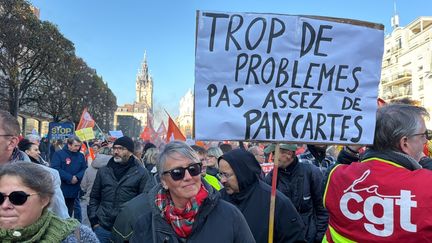
The French Prime Minister's Office (Matignon) announced that Sébastien Lecornu will chair a "social conference" next Monday bringing together trade union organizations and employers' representatives, with the aim of "providing tangible answers on the issues of purchasing power and salaries." This comes following a day of strikes and protest marches across France, called by labor unions to denounce worsening living conditions.
Intensive Consultations Ahead of the Conference
As part of ongoing preparations, Lecornu requested that Minister of Labor Jean-Pierre Farandou conclude ongoing consultations with the social partners by Sunday. Meanwhile, Minister of Action and Public Accounts David Amiel continues his discussions with public sector employee representatives to bridge differences and reach common ground that could ease social tensions.
Firm Union Demands
Leaders of the CFDT and CGT unions reiterated on Thursday their demand for a real and substantial increase in the minimum wage (Smic), as well as extending these increases across all salaries. For his part, Frédéric Souillot, General Secretary of the Force Ouvrière (FO) union, stated on BFMTV: "No one can live today on less than 2,000 euros," noting that he had already informed Lecornu of this and warning that "the longer the delay, the higher the final bill will be."
The CFDT, France's largest trade union, is demanding a net increase of 100 euros in the minimum wage, while the CGT is calling for a 10% pay rise alongside re-indexing all salaries to the consumer price index to counter continuous inflation, which weighs heavily on the budgets of households and workers living in France.
Government Stance and Employment Concerns
For his part, Labor Minister Jean-Pierre Farandou explained that he has established "common ground rules" with unions and employers that include examining the Smic file. He emphasized that discussing a minimum wage increase is not "taboo," yet the government is obliged to exercise caution regarding the repercussions of any unstudied hike on employment levels and job opportunities. The minister called for the need to negotiate within professional sectors to raise baseline salaries—which sometimes fall below the statutory minimum wage—in addition to activating mandatory annual negotiations within companies.
It is worth noting that the statutory minimum wage undergoes automatic periodic adjustments tied to inflation rates, but it has not received any exceptional boost (coup de pouce) from the state since 2012. These developments come after three consecutive weekends of mobilization against the "high cost of living," before the strikes expanded on Thursday to encompass both public and private sector employees, alongside youth groups who have been protesting since mid-September against study conditions, and several "Yellow Vests" activists.
Source: Le Figaro

Comments (0)
You must log in to comment on articles.
Log in Sign upBe the first to comment on this article.