

Retired US General Joseph Votel Anticipates Broad Joint Strikes Against Iran
Former CENTCOM Commander General Joseph Votel has indicated that broad joint US-Israeli military strikes against Iran remain viable, focusing on strategic targets in the Strait of Hormuz and fortified nuclear sites.

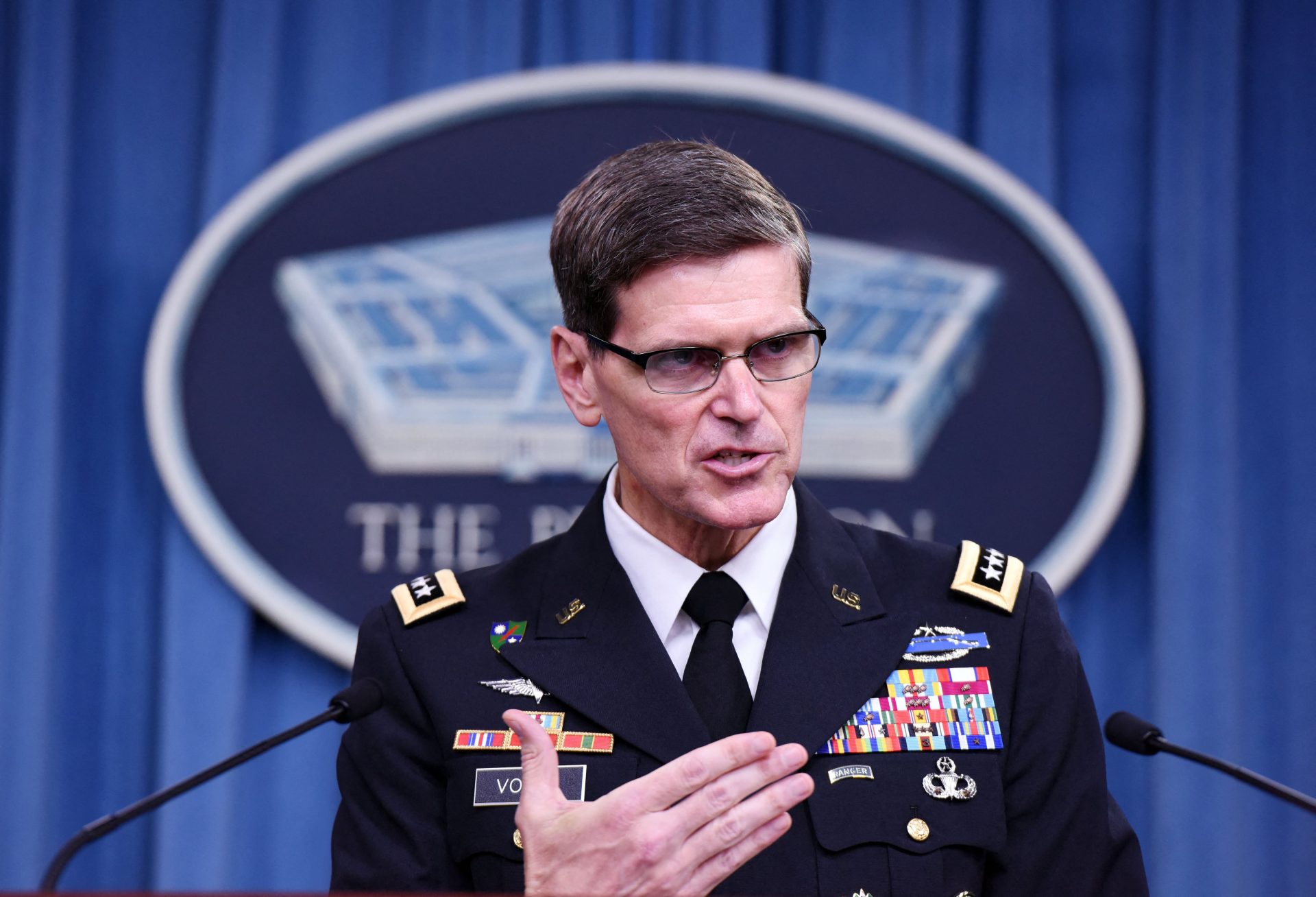
- General Votel affirms that the Republicans' loss of Congress will not prevent Trump from pursuing military options against Tehran.
- Potential joint US-Israeli strikes could target heavily fortified Iranian nuclear sites, such as Mount Pickas near Natanz.
- Warnings highlight the fallout of potential Iranian retaliation against energy infrastructure and undersea communication cables on global stability and markets.
Amid international anticipation surrounding the fallout of the US midterm elections, which resulted on November 3 in Democrats taking control of both the House of Representatives and the Senate, critical questions have resurfaced regarding the trajectory of President Donald Trump's foreign policy, particularly concerning military escalation against Iran. These developments are closely monitored by international circles and communities residing in France and Europe due to their direct repercussions on energy security and global stability.
Ongoing Military Options and Israeli Coordination
Retired four-star General Joseph Votel, who led US Central Command (CENTCOM) between 2016 and 2019 and previously oversaw special operations and the international coalition campaign against ISIS, explained that the Republicans' parliamentary defeat would not curtail Trump's powers as commander-in-chief of the armed forces. Votel confirmed in an interview published by the magazine 'L'Express' that all military options remain on the Pentagon's table.
Votel deemed the continued possibility of "intensive joint US-Israeli strikes against the Iranian regime" likely, noting that military cooperation between the two countries is close and historic. He pointed to Israeli Prime Minister Benjamin Netanyahu's desire to exert maximum military pressure on Tehran, despite domestic political debates in Israel and Trump's announced intention to reduce military aid.
Strategic Targets: Strait of Hormuz and the Natanz Site
Regarding military priorities, the former CENTCOM commander pointed out that Washington is focusing on two specific objectives: the first is regaining full control over the Strait of Hormuz and securing navigation and civilian commerce through the Arabian Gulf, which justified recent defensive strikes against surface-to-air missile platforms on Qeshm Island.
The second objective involves targeting the nuclear enrichment program deep within Iranian territory. Votel noted that Trump could target a heavily fortified underground facility known as 'Mount Pickas' near Natanz, where reports indicate a significant portion of enrichment activities have been relocated. While Votel questioned the feasibility of utilizing the "Mother of All Bombs" (MOAB)—which weighs more than 10 tons—he suggested relying on bunker-buster bombs (GBUs) delivered by B-52 bombers, similar to the previous 'Epic Fury' operation.
Iranian Retaliation Capabilities and Threats to Communication Lines
Addressing Tehran's defensive capabilities, Votel explained that despite the degradation of Iranian naval and air forces following the February war, the regime still maintains substantial stockpiles of missiles and drones, alongside its cyber capabilities and regional allies such as the Houthis and armed factions in Iraq.
Votel warned of potential Iranian retaliatory scenarios involving strikes on energy facilities in Gulf states or the possible severing of undersea communication and data cables in the region. Such actions could trigger a supply crisis and major disruptions to the flow of information and global financial markets, prompting him to call on the US administration to exercise greater political patience and build a broad international coalition to resolve the conflict through integrated diplomatic and economic avenues.
Source: L’Express



Comments (0)
You must log in to comment on articles.
Log in Sign upBe the first to comment on this article.