

Macron Sparks Controversy with Call for Broad Left-to-Right Coalition to Block Extremism
French President Emmanuel Macron has sparked widespread debate by advocating a broad political alliance stretching from the center-left to the traditional right, aimed at agreeing on a unified candidate to prevent the rise of far-right and far-left forces in the next presidential election.

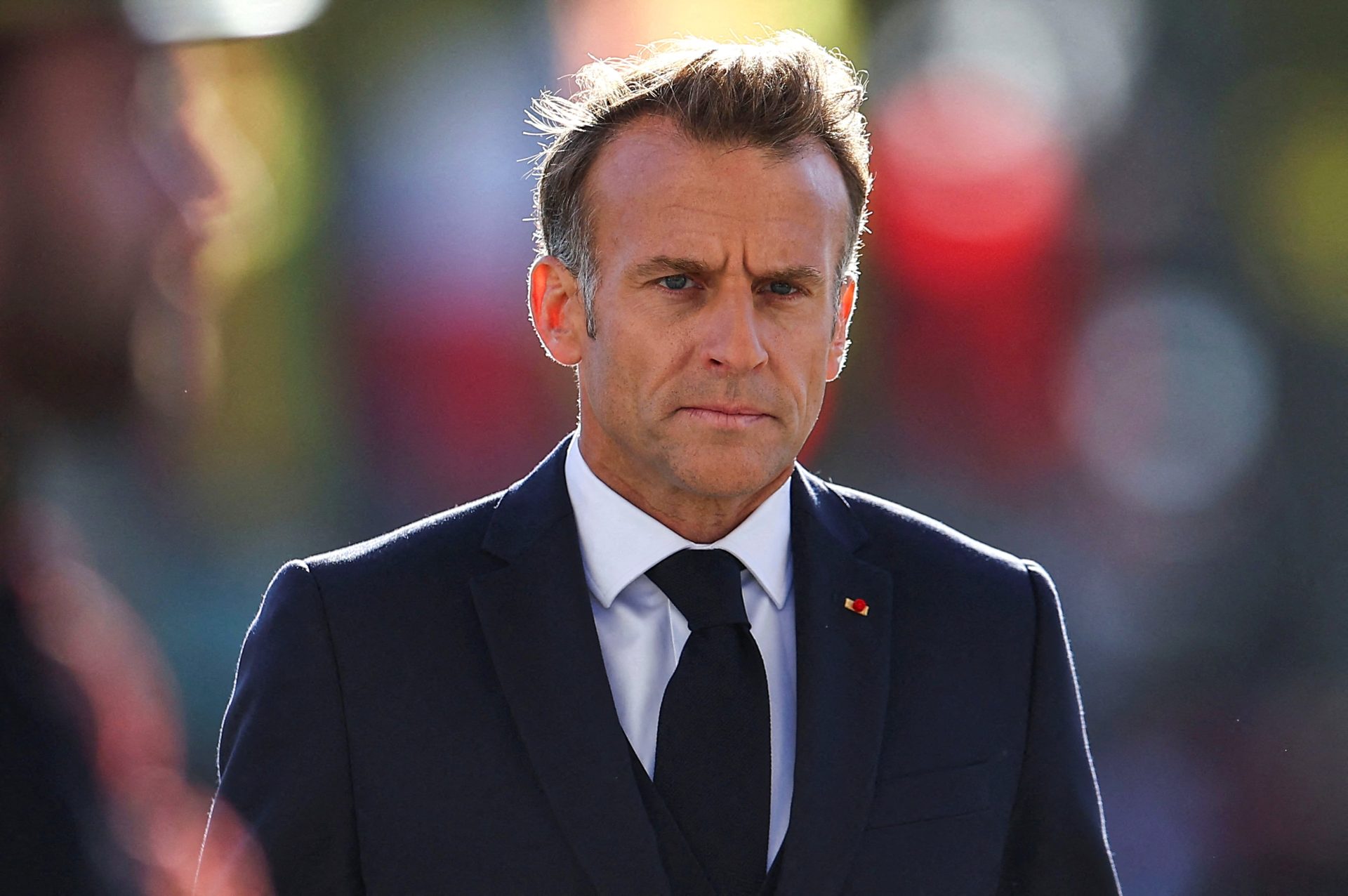
- Macron proposes a coalition spanning from Raphaël Glucksmann on the left to David Lisnard on the right to select a unified candidate capable of blocking both the far-right and the far-left.
- Widespread skepticism surrounds the feasibility of the initiative due to sharp ideological divides and the president's waning political influence both inside and outside his camp.
- The president announces he is freeing potential successors, such as Édouard Philippe and Gabriel Attal, from the burden of his record, leaving them to navigate their political paths independently.
French President Emmanuel Macron appears increasingly convinced that the potential successors currently emerging from his own camp or the traditional right—such as Édouard Philippe, Gabriel Attal, and Bruno Retailleau—may not have enough political momentum even to qualify for the second round of the presidential election. Behind the scenes at the Élysée, Macron recently expressed stark fears in an unequivocal tone regarding a collective defeat of centrist candidates in the face of rising extremist movements.
A Formula to Save the Moderate Camp
Driven by these concerns, the head of state decided to open the debate through press remarks to put forward his initiative. If the political and electoral landscape remains unchanged by December, Macron believes that all moderate candidates—from social democrat Raphaël Glucksmann to conservative David Lisnard—must sit around a single table to agree on common ground, a unified platform, and a viable candidate capable of blocking both the far-right and the far-left, specifically Marine Le Pen and Jean-Luc Mélenchon.
Waning Influence in the Twilight of His Term
However, the timing of this intervention in the battle for his succession raises major questions about the president's authority and his ability to steer political developments. Macron, who is navigating the final stages of his second term and gradually losing direct sway over his party, the state budget, and domestic policy, may find it difficult to compel candidates to heed his advice. Indeed, observers expect contenders for the Élysée, such as Édouard Philippe and Gabriel Attal, to seek distance from him and avoid his tutelage in order not to bear the electoral cost of his record, which remains deeply polarizing among the French public.
In contrast, the president stated that he is lifting any burden from his successors, taking sole responsibility for the record of his two presidential terms and leaving them to face their own electoral contests and develop their own platforms. Meanwhile, those close to him defend his stance by stressing that he is the only president in the history of the Fifth Republic who succeeded in defeating the far-right in two consecutive elections.
An Impossible Coalition and a Complex Program
The proposal has met with profound skepticism across the political spectrum. Analysts point out the immense difficulty of reconciling political forces whose visions diverge sharply on core issues; how can a social left and a conservative or liberal right be brought together on matters such as immigration, climate change, European integration, and the rule of law? Former Prime Minister Édouard Philippe previously remarked on the logic of broad compromises, stating that he refuses to put too many ingredients into a single dish lest it completely lose its flavor.
Furthermore, fears are mounting that creating such a hybrid bloc will only reinforce the perception among a large segment of the French electorate that the traditional political establishment is determined to cling to power at any cost under the banner of a "cordon sanitaire" against extremism—a dynamic that could ultimately exacerbate public discontent and pave the way for more radical forces in the future.
Source: L’Express

Comments (0)
You must log in to comment on articles.
Log in Sign upBe the first to comment on this article.