

US Court Strikes Down Trump Restrictions on Foreign Student and Journalist Visas, Administration Appeals
A US federal judge has struck down new restrictions imposed by the Trump administration on the duration of stay for foreign students and journalists, prompting an immediate appeal from the administration.

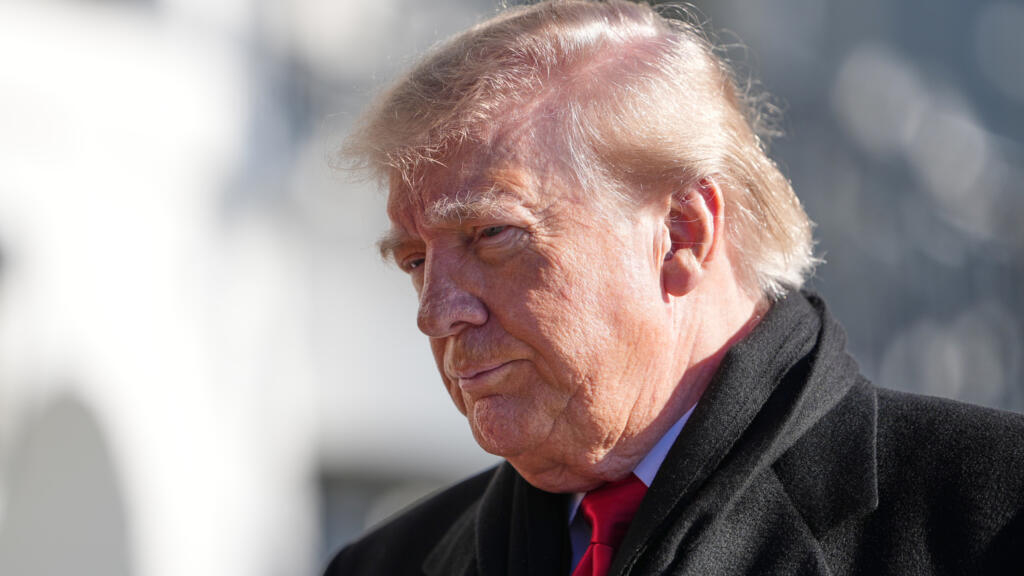
- A federal judge in Boston strikes down measures restricting student stays to four years and journalists' stays to 240 days.
- The court deemed the decision arbitrary and found that it undermined the goals authorized by Congress to encourage educational opportunities.
- The Donald Trump administration appeals the ruling following protests led by universities and around one hundred international media organizations.
A US federal judge on Monday, November 16, struck down new restrictions on the duration of stay for foreign students and journalists in the United States, which had been enacted by President Donald Trump's administration. The federal judge in the city of Boston (northeast) had suspended the implementation of these regulations on September 14 until further notice, before issuing a final ruling on the merits of the case, while the Trump administration moved swiftly to file an appeal against the decision.
Court Ruling Deems Measures "Arbitrary"
In the reasoning of the ruling, the judge deemed the regulatory rule published in July in the US Federal Register to be "arbitrary." The judge directly rebuked the Department of Homeland Security for failing to properly weigh the costs and benefits of implementing improvements to the SEVIS system against the exorbitant costs and limited benefits of the rule; the SEVIS program is the primary system responsible for managing the admission and enrollment of foreign students studying at American universities.
The court added that the department was attempting through these restrictions to deter foreign students and deprive them of educational opportunities in the United States—the very path that the US Congress sought to authorize and encourage. With this ruling, the judge ruled in favor of the lawsuit filed by organizations representing higher education institutions, university professors, and labor unions representing journalists and communications and media workers.
Details of Tightened Restrictions and Press Objections
The overturned regulation prohibited foreign student visa holders from staying in the United States for more than four years. For foreign journalists, it capped their stay at just 240 days (around eight months), with the possibility of requesting extensions for similar periods, while stricter restrictions were imposed on Chinese journalists, limiting their visa duration to only 90 days.
In contrast, the standard system in the United States grants visas covering the entire duration of study for students, and for up to five years for foreign journalists. The country hosts more than 1.1 million foreign students annually, in addition to over 1,500 journalists accredited with the US State Department's Foreign Press Centers, with the total number of visas issued in this category estimated at about 37,000 in 2024, according to Department of Homeland Security data cited by the Committee to Protect Journalists (CPJ).
Ongoing Wave of Immigration Restrictions
These rules had been introduced since 2025 and underwent a public consultation phase, during which around one hundred international media organizations, including Agence France-Presse (AFP), issued an open letter warning that the new regulation would "diminish the volume and quality of news coverage" of events inside the United States.
This legal battle comes amid policies pursued by the US administration since Donald Trump's return to the White House in January 2025, marked by large-scale deportations of undocumented immigrants, the imposition of strict measures on the legal entry of foreign nationals—especially those from developing nations—as well as escalating official criticism against the media and its news reporting.
Source: France 24

Comments (0)
You must log in to comment on articles.
Log in Sign upBe the first to comment on this article.