

A Brief and Comprehensive Guide to Applying for Asylum in France
A concise roadmap detailing the essential administrative steps, key milestones, and necessary documents required to navigate the asylum application process in France.

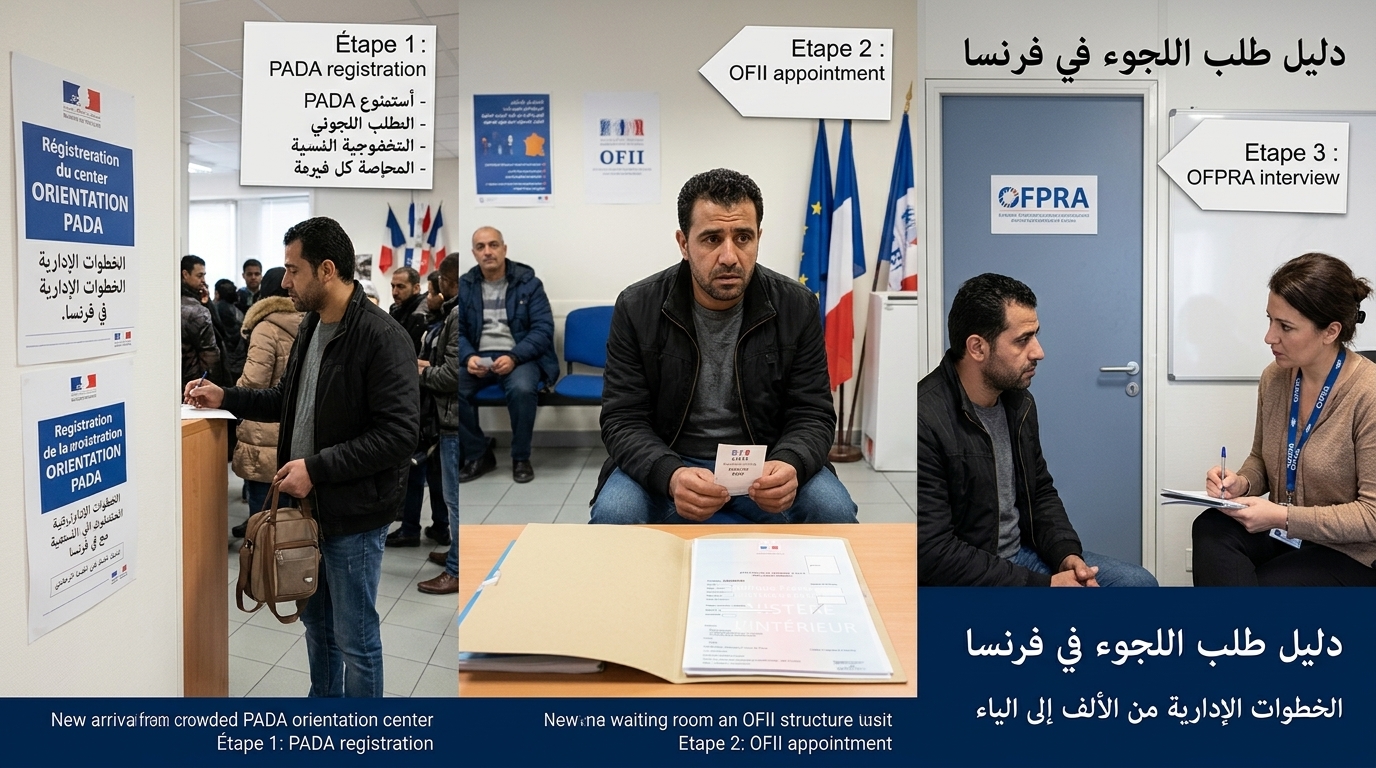
- Asylum seekers must first register through specialized reception platforms (SPADA) acting as intermediaries with the Préfecture.
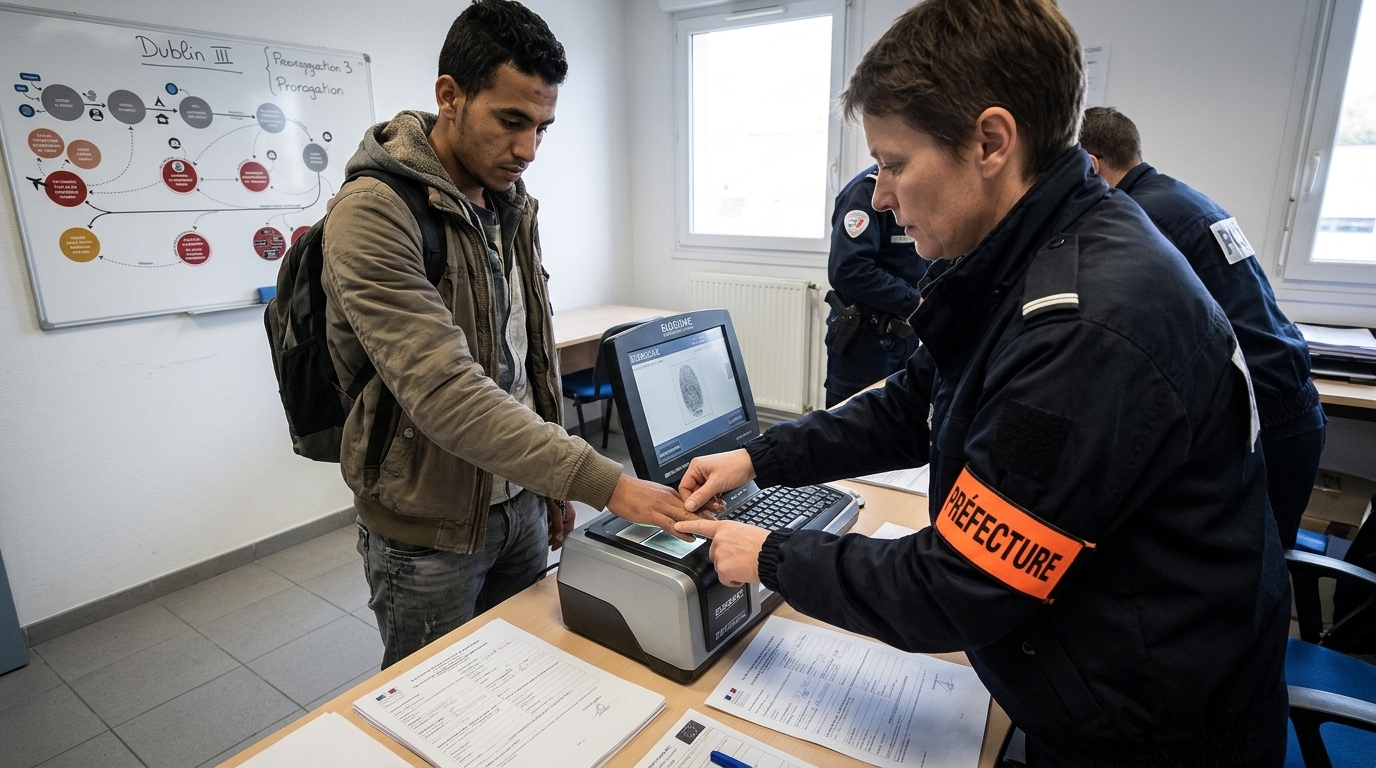
- The single desk (GUDA) at the Préfecture handles fingerprinting and determines the applicable procedure: Normal, Accelerated, or Dublin.
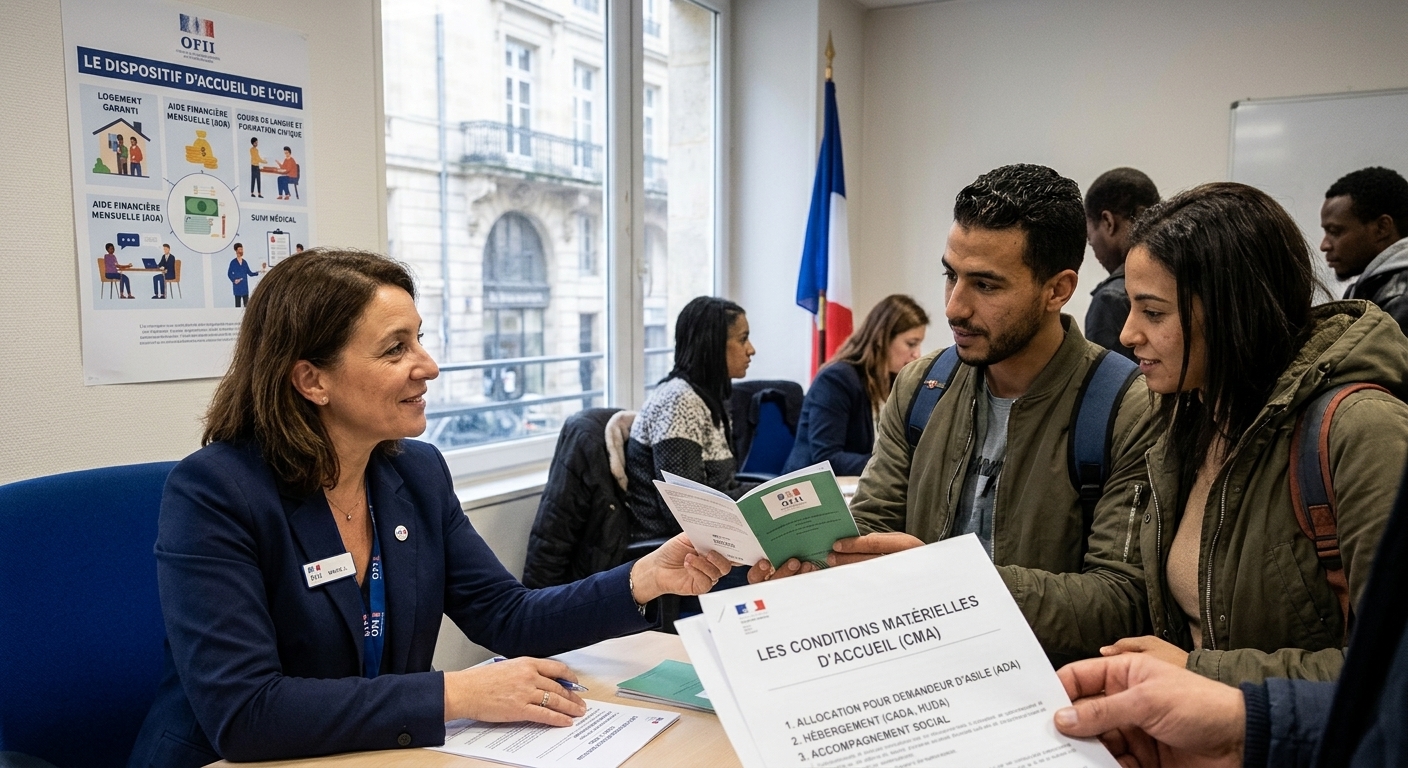
- Applicants are entitled to material reception conditions provided by OFII, including housing assistance, financial allowances, and medical coverage.
- The application file and personal narrative must be submitted to OFPRA within a strict 21-day legal deadline following registration.
Where does an asylum seeker begin, and what preparations must be made before filing a claim?
Here, we outline the primary stages, essential documents, and critical deadlines to keep in mind, providing a clear path from the initial step to the final decision.
To apply for asylum in France, one must go through several administrative steps, outlined as follows:
01- Step One: Mandatory Passage Through Initial Reception Platforms (SPADA):
To lodge an asylum application, one must first pass through reception platforms designated by the French state. These are specialized non-profit associations tasked with receiving asylum seekers and acting as intermediaries with the Préfecture (police authorities).
The nature and services of these associations vary from region to region, but they generally assist with administrative procedures, such as writing and translating the personal account, preparing and assembling the asylum application file, and other related tasks.
The method of contacting these associations also varies by region, as does the waiting time for the first appointment—though it generally does not exceed 15 days. Therefore, the applicant must contact the association as soon as possible, either by phone or by appearing in person at its premises, to secure an initial appointment. You can find comprehensive details in this article:
What do you know about the initial reception platforms for asylum seekers in France (SPADA)?
02- Step Two: First Appointment with the Reception Platform / Specialized Association:
After scheduling the initial appointment and attending in person at the reception facility or association, a staff member will conduct a preliminary interview to establish your identity and record your information. This is done to prepare the technical asylum registration form and ensure your file is complete before it is forwarded to the Préfecture. The form includes the following details:
- Civil status: Surname, given name, nationality, family status, etc.
- Travel itinerary: From the moment you left your country of origin.
- Dates: All dates and stages of the journey, as well as the method used to enter France.
- Previous asylum or protection claims: Whether you have previously sought asylum in France or anywhere in Europe, etc.
The completed form, along with a photograph taken via webcam, will be transmitted to the Préfecture.
The association will subsequently forward a copy of the technical form to the Préfecture (police). At the end of the interview, the association will issue two documents: first, a summons (Convocation) indicating the date and time of your appointment at the Préfecture for fingerprinting; second, an appointment with the association to complete administrative procedures (the first appointment usually takes place within a week at most to finalize the administrative and medical files, followed by a second appointment within 10 days to two weeks at most to complete the OFPRA form and review your personal statement). You will also receive a voucher for passport photos and specialized forms on which to write your detailed account.
03- Step Three: Appointment at the Préfecture and Fingerprinting at the Single Desk (GUDA):
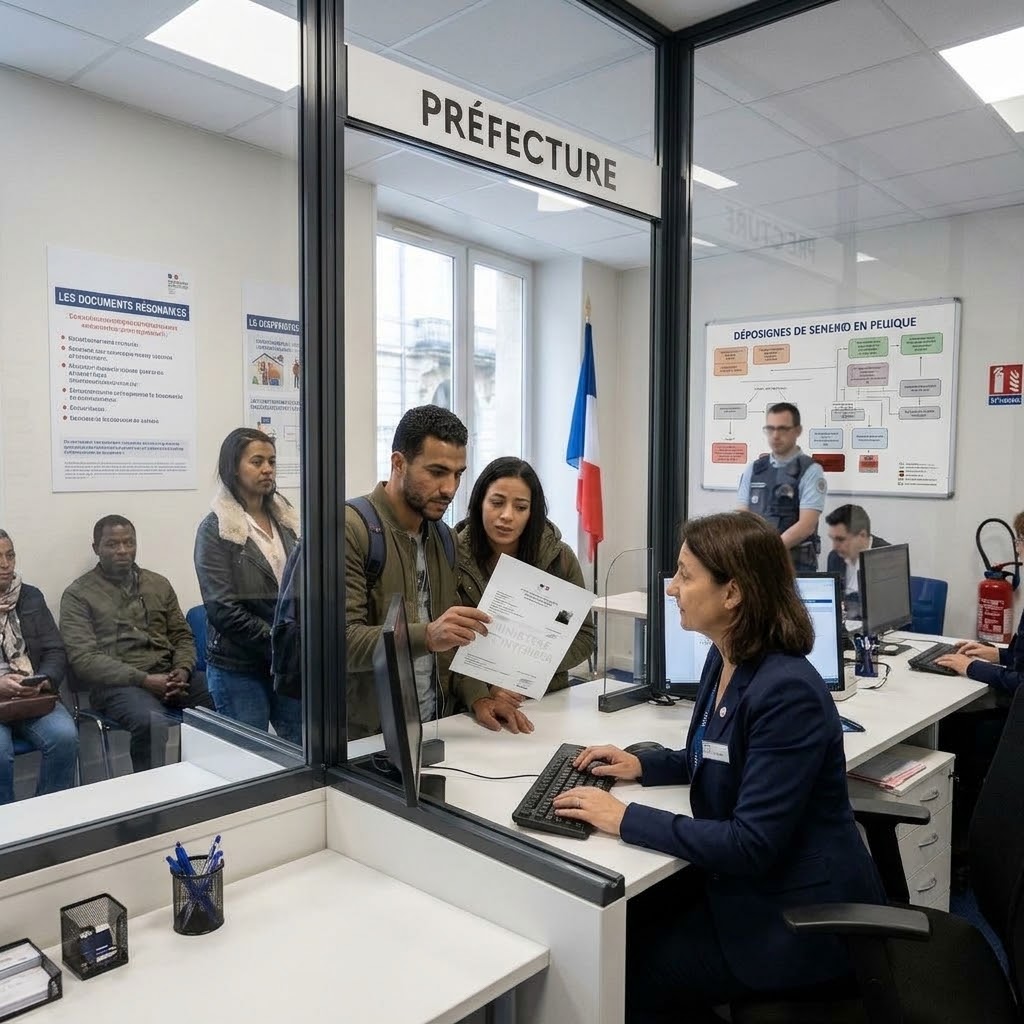
Upon arriving at the Préfecture at the scheduled time, you will be asked to present your identity document alongside the summons (Convocation). You will then be asked to wait briefly before being called in to have your fingerprints taken on a specialized device.
Once all ten fingerprints have been scanned, you will be asked to wait again while checks are performed to verify whether you have previously been registered in the Eurodac and Visabio databases. Following this, the Préfecture will grant you a renewable asylum application certificate (Attestation de Demande d'Asile). At this point, three scenarios are possible:
*- First scenario: If the Préfecture official finds no record of your fingerprints or any evidence of your passage through another European Union member state, you will be assigned "normal procedure" status (Procédure Normale).
*- Second scenario: If a record of your fingerprints is found in the Eurodac database or there is evidence of passage through another country before France, you will be placed under the "Dublin procedure" (Procédure Dublin). For further details, see the article:
The Dublin III Regulation and Entry Procedures into the European Union: A Comprehensive Summary
*- Third scenario: If the Préfecture determines that you provided false information or submitted forged documents, it may conclude that you are unwilling to cooperate and consequently place your application under the "accelerated procedure" (Procédure Accélérée). This is unfavorable to the applicant, as the examination and review of the file are carried out more rapidly and superficially.
For more details, see the article: What is the "Accelerated Procedure" (Procédure Accélérée)?
Subsequently, the Préfecture will provide you with an informational booklet in a language you understand, explaining why your fingerprints were taken, entitled: "I have applied for asylum in the European Union: Which country will handle my application?" This booklet aims to provide relevant information regarding the Dublin procedure.
If you are placed under the normal procedure, the Préfecture will hand you the asylum application package, which must be completed with the assistance of an adviser at the reception platform/association during the appointment established in your first meeting.
*- Clarification: The Préfecture must issue you an "Asylum Application Certificate" specifying the procedure to which you have been assigned (Normal, Accelerated, or Dublin). This document proves your legal status as an asylum seeker: you must carry it with you at all times (original or copy) in the event of police checks.
Following this, you will be asked to wait a third time until you are called in by a representative from the French Office for Immigration and Integration (OFII).
04- Step Four: Interview with the OFII Representative at the Préfecture:
During this interview, which typically takes place in a dedicated OFII office inside the Préfecture, the OFII representative will explain your full rights and the material reception conditions available to you (accommodation, financial allowance for asylum seekers [ADA] + bank card, administrative postal address, vulnerability care, etc.).
Regardless of the procedure assigned by the Préfecture (Normal, Accelerated, or Dublin), you are entitled to material reception conditions, except in specific cases outlined by law.
Given the importance of every detail regarding reception conditions, we encourage you to carefully read the dossier in the following article:
What do you know about initial reception platforms for asylum seekers in France (SPADA), and why are they considered an essential step?
05- Step Five: Second Appointment with the Reception Platform/Association (SPADA):
After completing the administrative steps at the Préfecture, you will attend your second appointment with the association. You must bring all your administrative documents, particularly your written story. For further insights, read the following article:
What story must be submitted when applying for asylum in France? Here is a comprehensive and detailed explanation.
Upon arriving for your appointment with the association, you will meet an administrative advisor who will help you fill out the asylum application form for the French Office for the Protection of Refugees and Stateless Persons (OFPRA) in French. The form covers all details mentioned in the following article:
The asylum application file in France: How to complete it and what information is required?
It is vital to verify that the file is dated and signed. The association will then dispatch the dossier via registered mail with acknowledgment of receipt within twenty-one (21) days from the issuance date of the asylum application certificate (Lettre Recommandée AR, see attached photo).
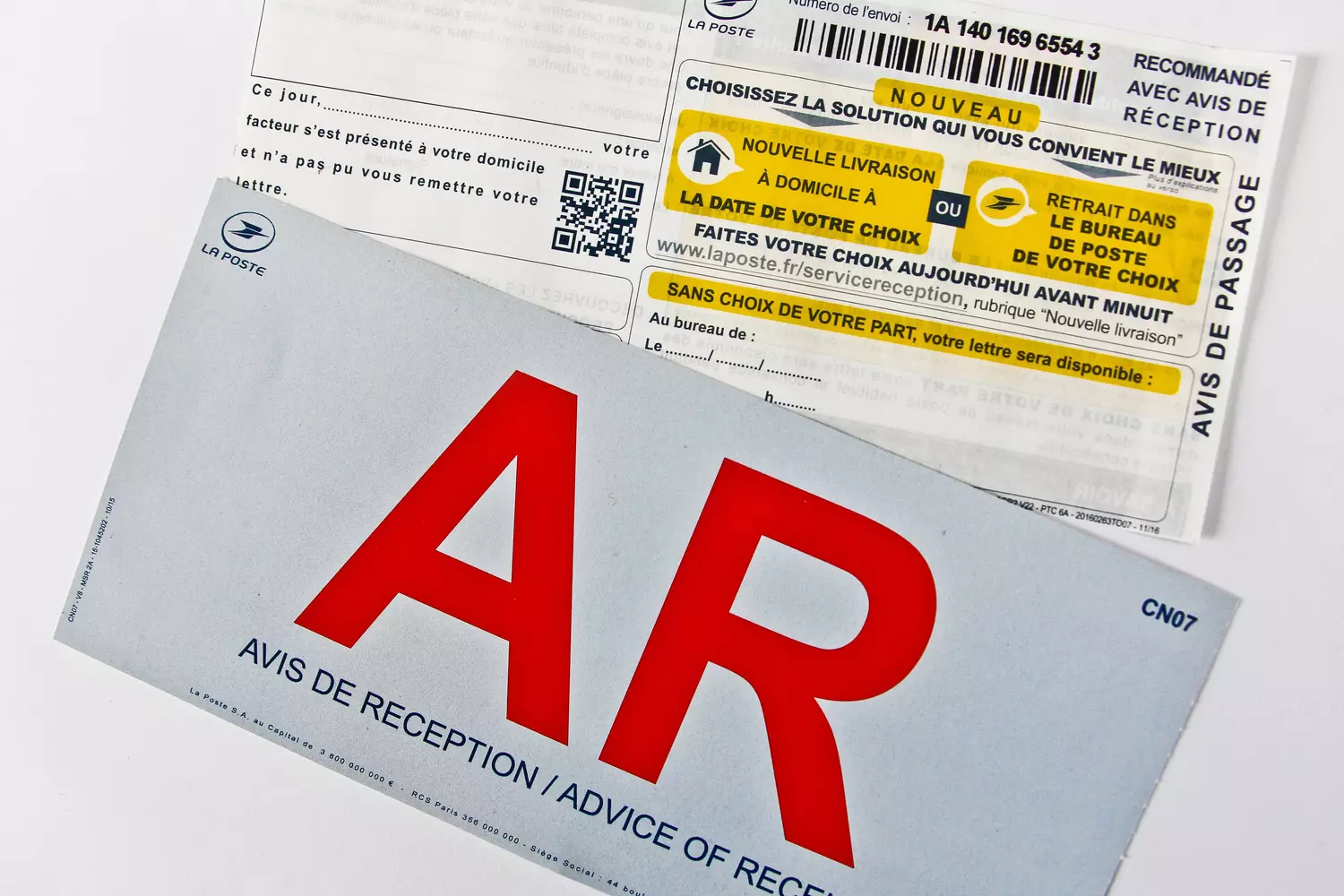
During the same appointment, your postal service will be activated, and you will receive your postal card. Additionally, your medical file will be prepared, granting you the right to healthcare coverage for an entire year. For further details, see the following article:
What is the medical file for an asylum seeker in France?
06- Step Six: Postal Activation and Receipt of the File Acceptance Form:
Following the submission of your file to the French Office for the Protection of Refugees and Stateless Persons (OFPRA), you will receive a registration letter or receipt acknowledging that your dossier has been registered.
You will then wait for a summons from OFPRA to attend an in-person interview, which is crucial in determining your future as an asylum seeker. This interview typically takes place within 3 to 4 months. For more details, see the following article:
What do you know about the OFPRA interview? Questioning with an OFPRA representative
Collecting incoming correspondence and official notices via the association’s mailing address will henceforth become a routine procedure.
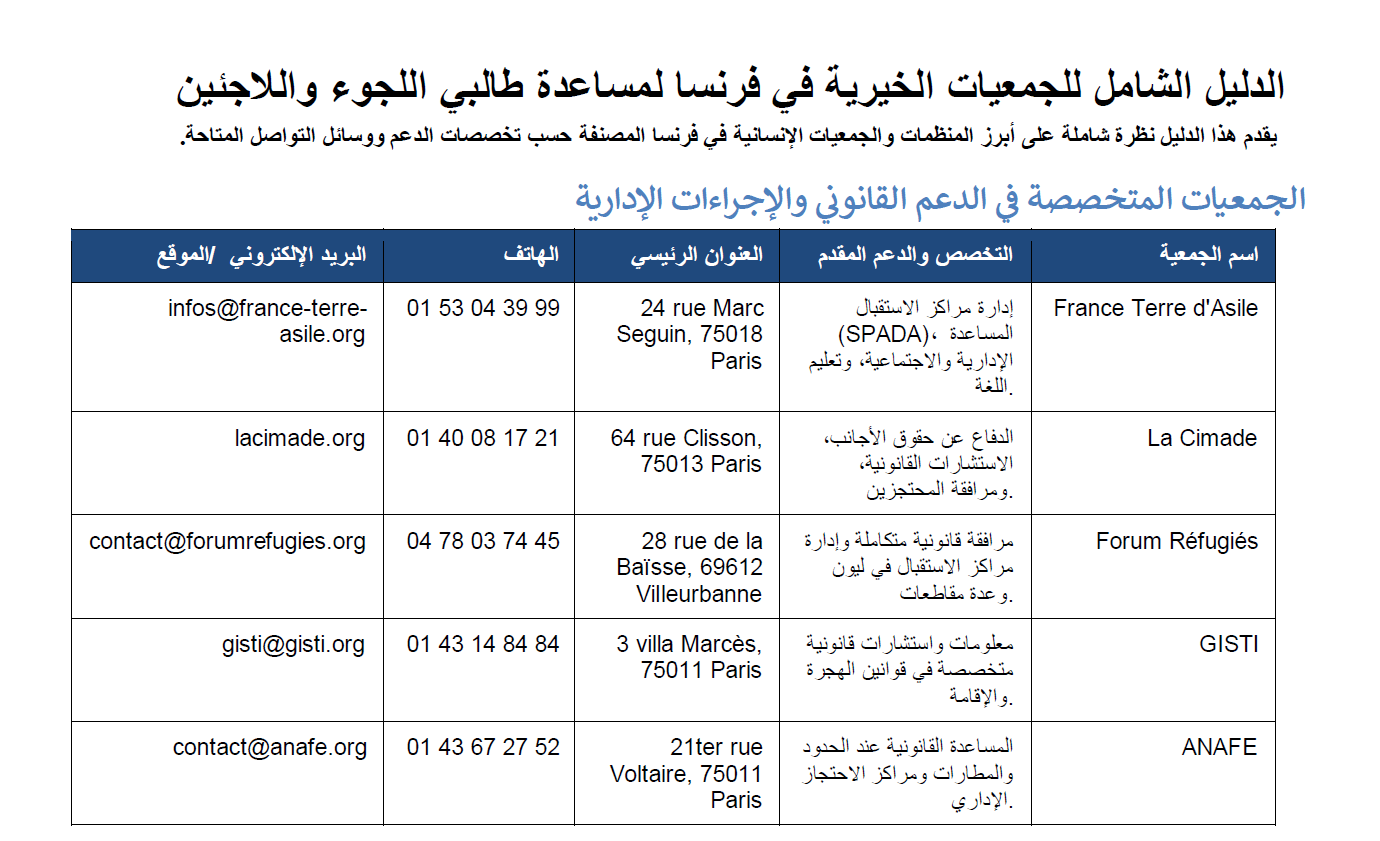
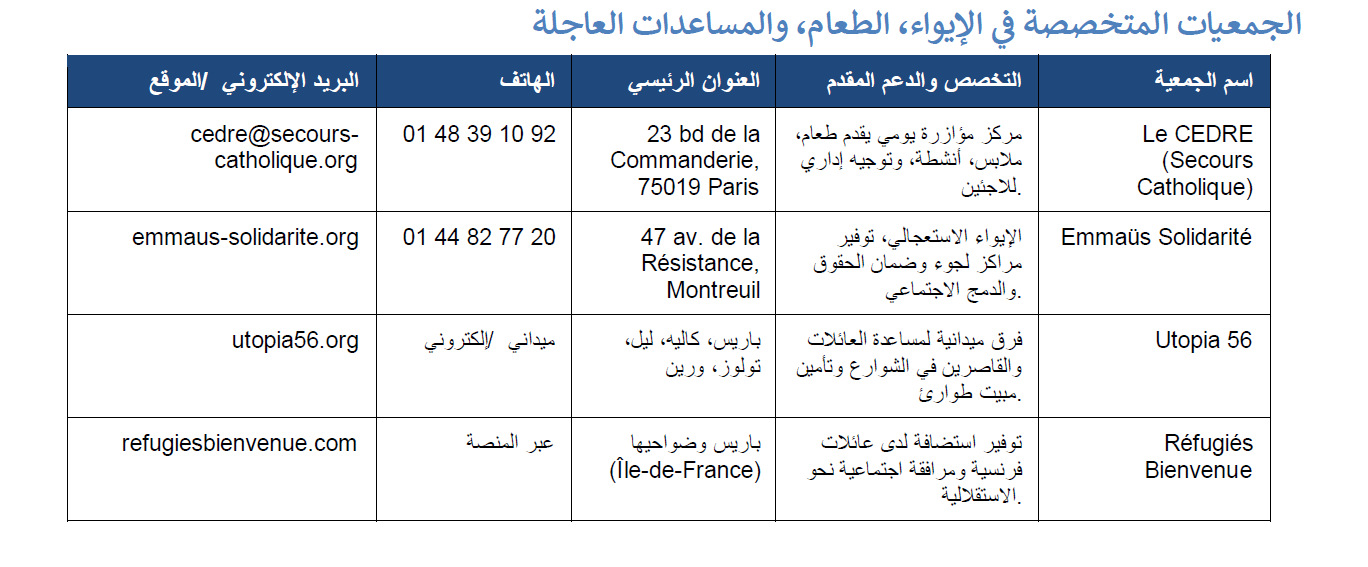
*- How can I obtain administrative assistance and legal counsel?
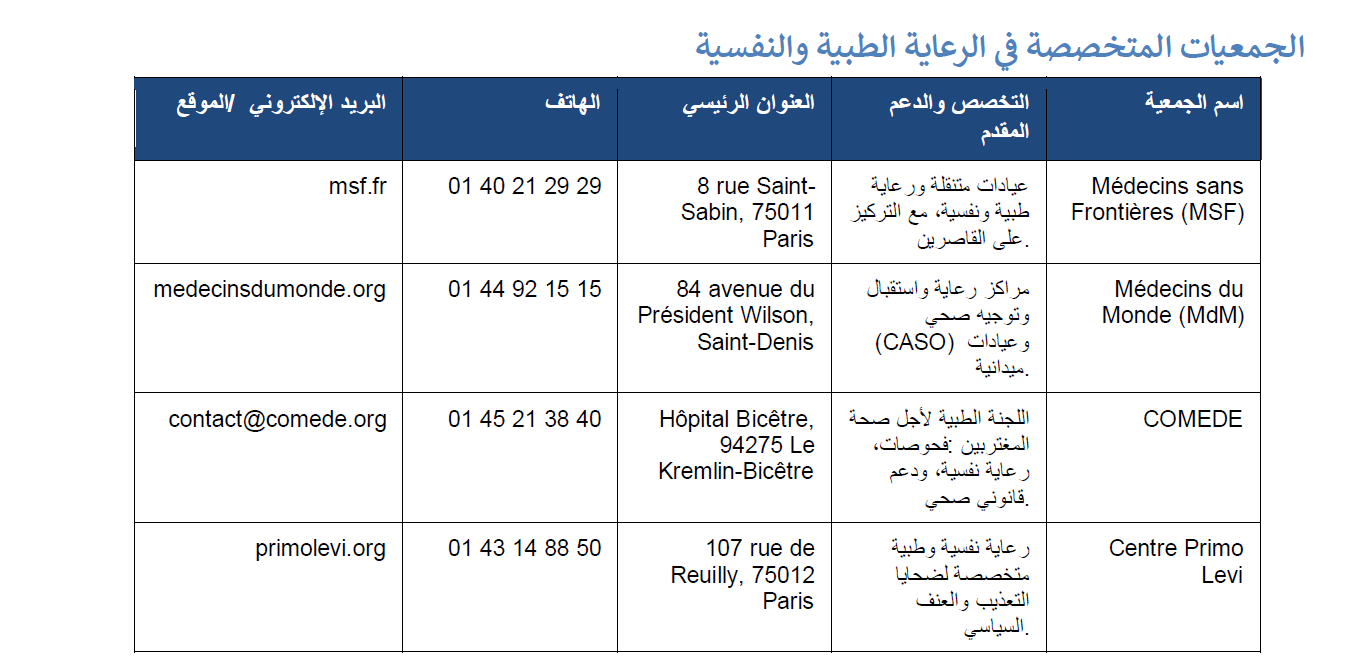
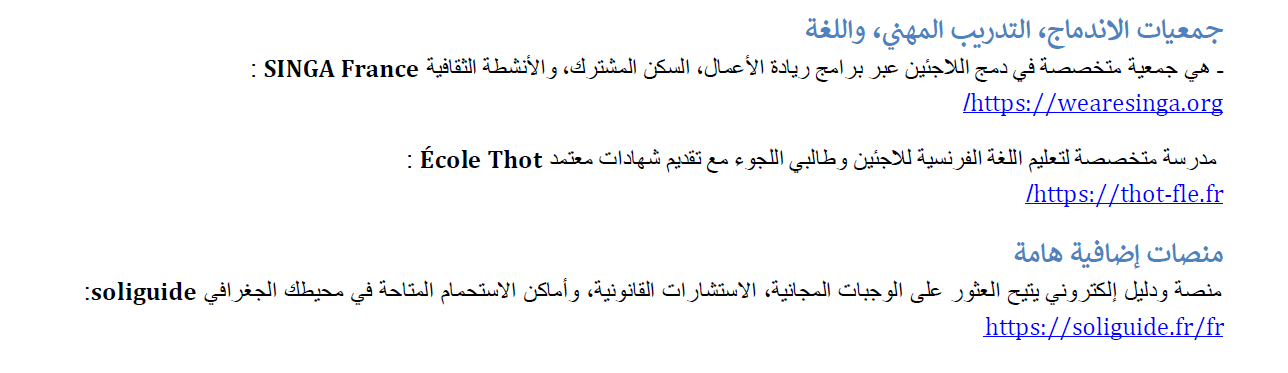
There are numerous associations dedicated to assisting migrants and asylum seekers. We have compiled a comprehensive directory in a dedicated resource: Your Comprehensive Guide to Charitable Associations in France Assisting Asylum Seekers and Refugees.
The Comprehensive Guide to Charitable Associations in France Assisting Asylum Seekers and Refugees provides an exhaustive overview of the leading humanitarian organizations and associations in France, classified by their areas of support and available contact channels.
Comments (0)
You must log in to comment on articles.
Log in Sign upBe the first to comment on this article.