

2027 Budget Bill: Pension Freeze and New Taxes to Cut the Deficit by Half
France's 2027 Social Security Financing Bill introduces nearly €10 billion in savings through pension freezes, healthcare spending cuts, and new taxes to halve the social security deficit.

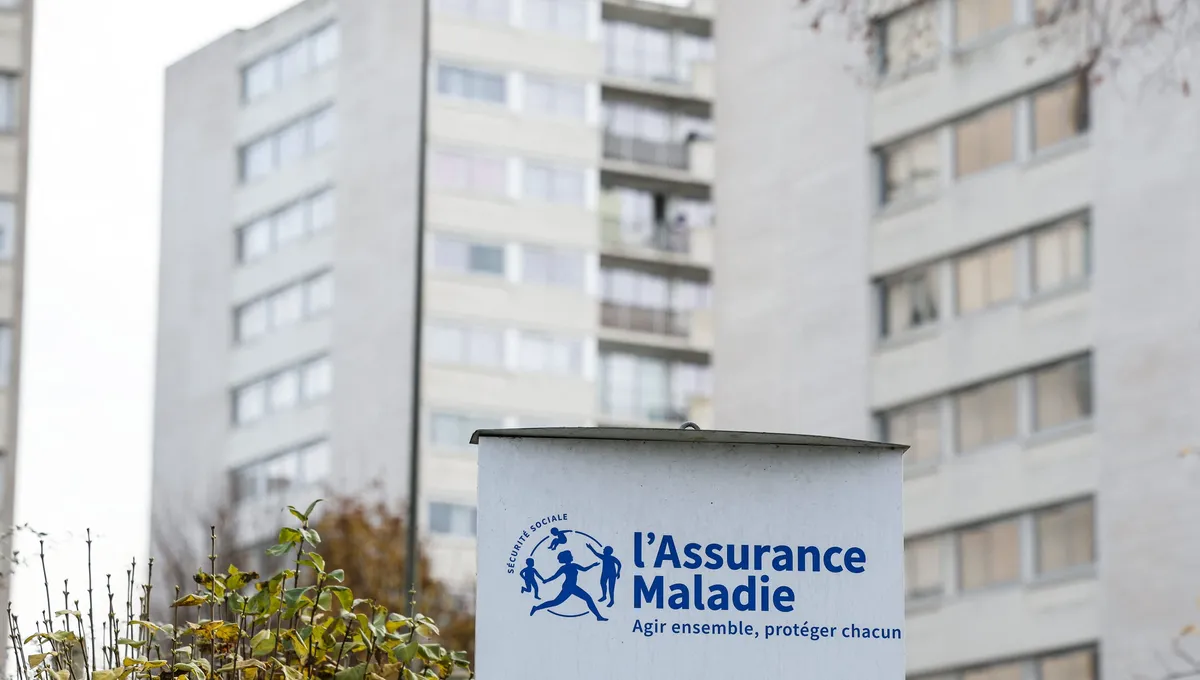
- The 2027 Social Security Financing Bill aims to cut the deficit by nearly half to €12.7 billion by generating approximately €10 billion in savings.
- Retirees will bear the largest share of the savings, amounting to €5.5 billion, by freezing pension increases for two-thirds of retirees, alongside freezing and reframing family allowances.
- The bill rationalizes healthcare expenditure by lowering drug prices, curbing sick leave reimbursements, and transferring certain costs to complementary health insurance providers.
- Measures include raising financial contributions from companies, introducing a tax on sugary products, and requiring non-European foreign nationals to reside in France for a full year before accessing certain welfare benefits.
An Ambitious Plan to Cut the Deficit
Committees of the National Assembly are beginning their review of the 2027 Social Security Financing Bill, through which the government aims to reduce the social security accounts deficit by nearly half, bringing it down from €21.8 billion in 2026 to €12.7 billion in 2027. Achieving this goal requires saving approximately €10 billion, mostly concentrated on the expenditure side, particularly in health, pensions, and social benefits. Parliament has until the end of November to rule on the bill, failing which the government retains the right to enact it by executive order. Below is an overview of the key measures included in the text.
Relative Freeze on Pension Increases
Retirees contribute the largest share of the savings efforts, amounting to €5.5 billion. While pensions were traditionally raised in January to keep pace with inflation, the draft bill proposes limiting this increase to only one-third of retirees—those receiving 85% or less of the minimum wage (€1,260 minimum, including supplementary pension). This freeze may be adjusted by decree once a new majority is formed following the 2027 elections. In a related measure, it is proposed to cap the 10% tax deduction enjoyed by pensioners at a maximum of €3,000 per year.
Adjustment to the Child Bonus
The government proposes replacing the 10% annual pension increase granted to parents of three or more children with a fixed lump-sum grant to be set by decree. This change aims to improve gender parity, as the current system disproportionately benefits men due to their higher average pensions. The amount of the grant will be calculated so that the change remains budget-neutral.
Rationalizing Healthcare Spending
Earlier measures are scheduled to take full effect in 2027, such as reducing reimbursement rates for certain health services, including dental care and medical transport, thereby shifting the responsibility to complementary health insurance providers to yield €1.2 billion in savings. The bill also seeks an additional €5.1 billion in savings, which includes: lowering prices of pharmaceuticals and medical devices by €2 billion, and saving €1 billion through rationalizing sick leave days, the details of which will be finalized by social partners before the end of the year. Furthermore, €500 million in hospital care costs will be transferred to complementary health insurers. Conversely, the hospital budget will increase by 3% to preserve price stability, accompanied by a request to achieve €700 million in operational efficiency gains.
Freezing and Refocusing Family Allowances
The draft bill provides for freezing the value of family allowances and refocusing the back-to-school allowance toward those in greatest need, generating total savings of up to €1.1 billion.
Additional Contributions from Businesses
The freeze on social security contribution cuts for businesses scheduled for 2026 will be extended, securing an additional €2.9 billion. To raise a further €3.7 billion, it is proposed to narrow the scope of employer contribution exemptions on low wages by broadening the contribution base to include various perks and allowances.
Tighter Severance Pay Rules for High Earners
The bill revises the tax and social security regulations governing severance pay upon contract termination. Severance amounts within the social security ceiling (€48,060 for 2026) will remain exempt as before, whereas payments exceeding this threshold will be subject to contributions. This measure affects the top 5% of earners, according to Ministry of Labor data.
New Tax on Sugary Products
A new tax will be introduced on processed and packaged goods containing added sugars and preservatives to combat obesity and chronic illnesses. The tax is calculated on a progressive scale based on the sugar content of the product and is anticipated to generate approximately €300 million annually.
New Conditions for Foreign Nationals to Access Social Benefits
Finally, non-European residents will be required to reside in France for at least one full year before becoming eligible for most family allowances and housing benefits, after previously being able to claim them without a waiting period. Exemptions from this rule include the minimum pension for seniors (ASPA), the active solidarity income (RSA), the activity bonus, and universal health protection (PUMA). This measure is expected to affect roughly 400 families resident for less than a year, as well as 25,000 households eligible for housing allowances who will not be able to receive them immediately, saving approximately €61.8 million annually.
Source: Ici



Comments (0)
You must log in to comment on articles.
Log in Sign upBe the first to comment on this article.