

The Paradox of France's Electricity Landscape This Winter: Supply Security Guaranteed While Prices Rise
France's electricity grid operator (RTE) has provided reassurance regarding power supplies for the upcoming winter due to a strong nuclear recovery, yet warns of sharp market price hikes driven by surging gas costs and geopolitical tensions.

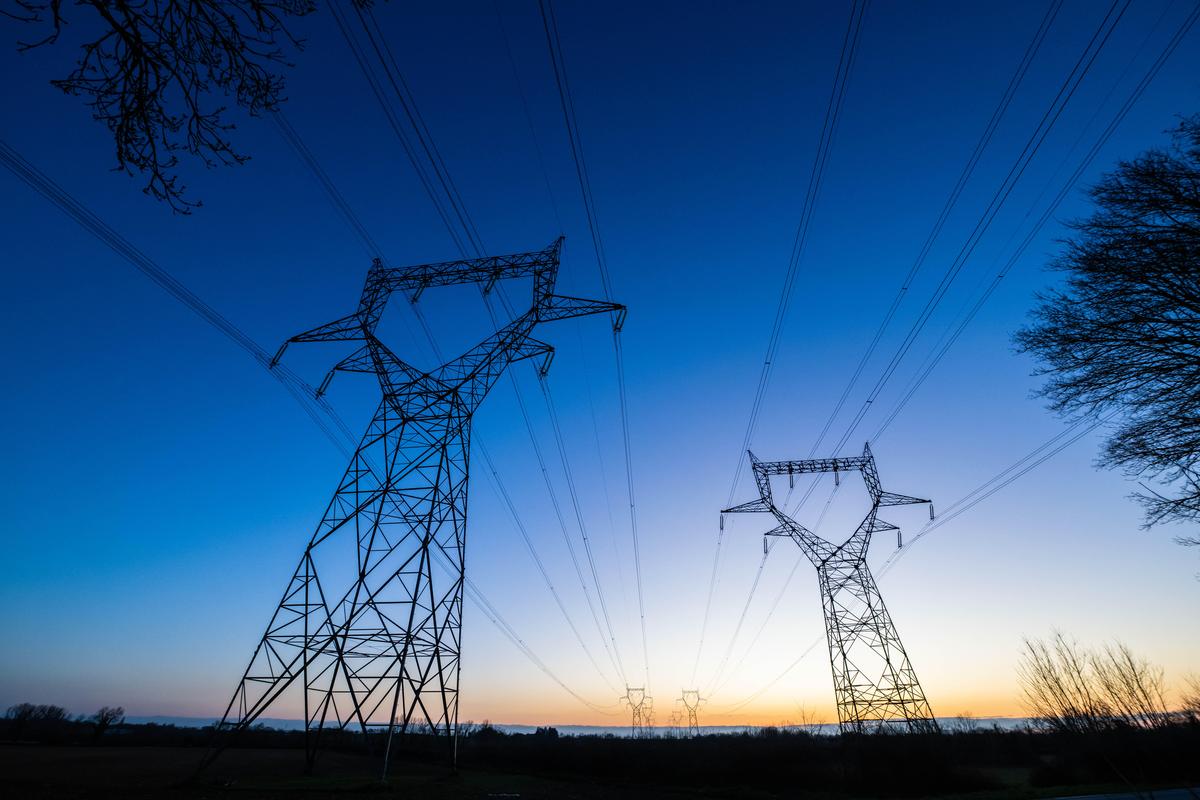
- France's grid operator (RTE) confirms the security and stability of winter electricity supplies, driven by recovering nuclear output capable of meeting demand.
- A sharp surge in forward electricity market prices has been recorded, fueled by quadrupled gas costs, geopolitical tensions, and the marginal pricing mechanism.
- Consumers remain temporarily protected through regulated tariff freezes until February 2027, though price pressures are expected to hit utility bills by next spring.
Between Supply Reassurance and Price Shock
In its official assessment for the 2026–2027 winter season, the French electricity transmission network operator (RTE) revealed a dual outlook for the country's energy sector: on the one hand, complete reassurance regarding the availability of electricity supplies, and on the other, a clear warning of a sharp surge in market prices driven by soaring gas costs and geopolitical tensions. Although the situation is fundamentally different from the crisis of the 2022–2023 winter, escalating costs remain the primary challenge confronting both households and businesses.
Supply Security: A Situation Far Different from the 2022 Crisis
RTE confirmed that France will not face any real risk of electricity shortages during the upcoming winter months, noting that "the generation availability situation is good and does not warrant an exceptional alert." This confidence is primarily attributed to improved performance across the nuclear fleet, which returned to deliver an available capacity of around 50 GW in November, with expectations to reach 53 GW by January. This stands in stark contrast to the winter of 2022–2023, when nuclear plant availability plummeted drastically, placing severe strain on the supply-demand balance.
At the same time, estimates point to a continued slight rise in electricity consumption of approximately 1% during the first half of 2026, driven by growing economic activity and the increasing electrification of transport and heating. Nevertheless, this growth remains well within levels the electrical system can absorb, thanks to the abundance of available generation capacity.
Price Surges: Gas and Geopolitics as the Main Drivers
Despite ample supply, forward electricity market prices have experienced a notable increase since the start of autumn, climbing to high levels—even if remaining below the peak recorded in late 2022. RTE attributes this rise primarily to surging gas prices, which nearly quadrupled between January and November 2026, alongside persistent geopolitical tensions that exacerbate volatility across global energy markets.
Electricity prices in the European market are governed by the "marginal pricing" mechanism, where the clearing price is determined by the cost of the last production unit brought online to meet demand. Due to the high cost of gas, thermal power plants continue to set elevated prices even when French nuclear generation is abundant, feeding directly into wholesale prices. Conversely, electricity prices in France remain among the lowest in Europe thanks to its solid hydroelectric and nuclear generation base, softening the impact compared to neighboring countries.
What Does This Mean for Consumers?
It is crucial to distinguish between wholesale markets and the retail rates paid by end consumers. Increases in wholesale electricity markets are not immediately or fully passed on to household bills, as the French government and EDF have worked to freeze regulated tariffs until early February 2027, deploying measures to absorb part of the price shock. However, rising forward contract prices signal latent cost pressures that could begin surfacing on utility bills starting next spring. This situation calls for households and companies to plan ahead for these upcoming changes and maintain energy conservation measures as an indispensable strategic imperative.
Source: lepoint


Comments (0)
You must log in to comment on articles.
Log in Sign upBe the first to comment on this article.