

British Prime Minister Opens the Door to Rapprochement with the EU and Combating Cross-Channel Migration
British Prime Minister Andy Burnham has signaled a strategic shift toward resetting relations with European partners and curbing cross-Channel migration, aiming to turn the page on a decade of post-Brexit division.

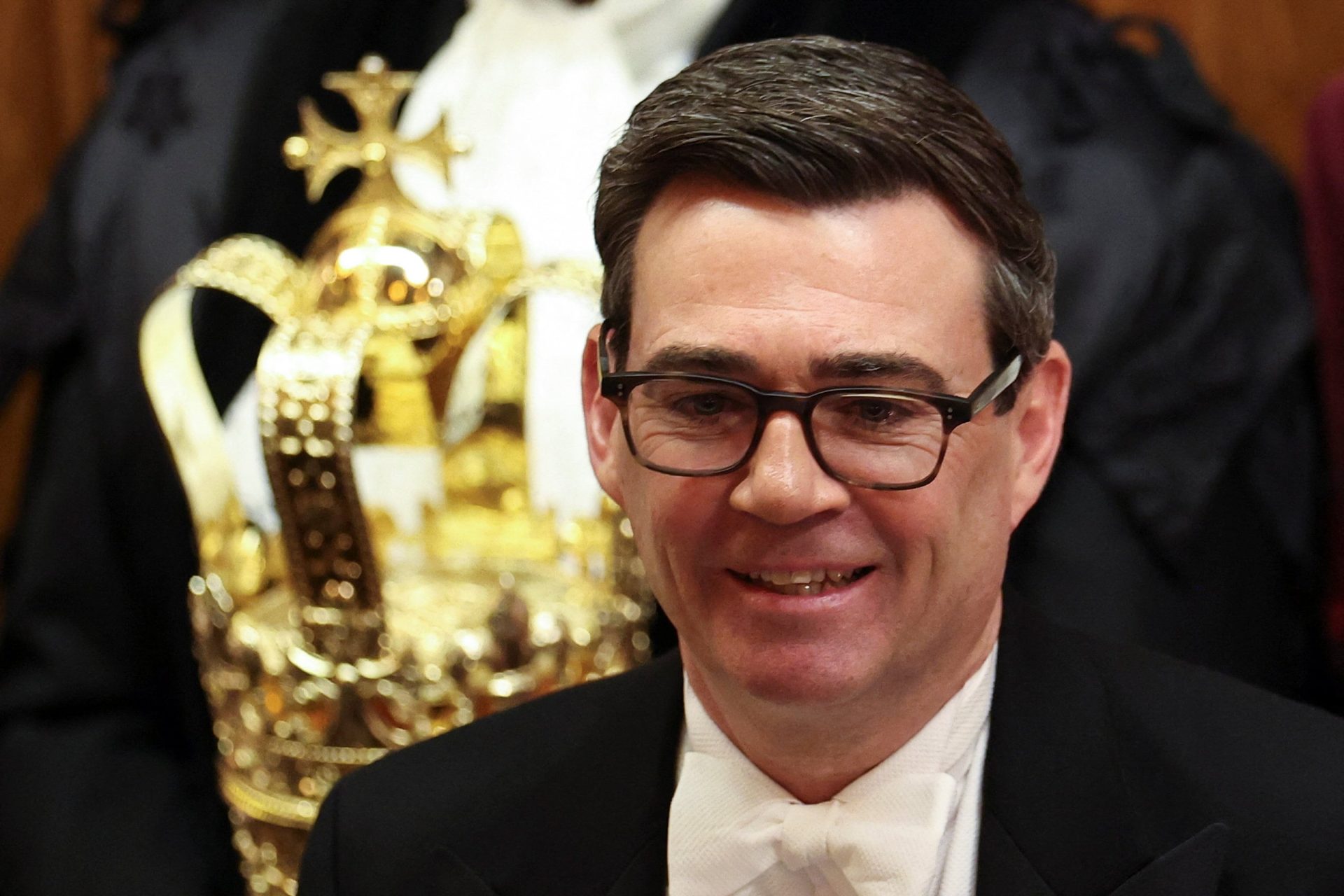
- The British Prime Minister states that a 'hard Brexit' damaged the UK economy by up to 4% and possibly 8% of GDP.
- Preparations are underway for an upcoming Brussels summit to secure a deal focused on lowering prices, easing trade, and bolstering efforts against irregular small-boat Channel crossings.
- Burnham opens the debate on the future of relations with Europe beyond the next elections, while affirming London's security and international commitments.
British Prime Minister Andy Burnham announced, during a major foreign policy speech at the Guildhall in London on November 16, his country's intention to reset relations with European partners, describing the coming phase as a step toward turning the page on 'a decade of drift and division' following the UK's exit from the European Union.
The 'Makerfield Test' and Reviewing the Impact of Brexit
Four months after taking office succeeding Keir Starmer, Burnham explained that British foreign policy would be held to what he called the 'Makerfield test'—named after his constituency—which centers on assessing whether international decisions improve everyday life in the country's most neglected and left-behind communities.
The Prime Minister noted that a hard, inflexible break had failed to deliver the promised solutions. Citing Office for Budget Responsibility (OBR) estimates, he pointed out that Brexit had cost the British economy around 4% of GDP, with other estimates placing the loss at up to 8%, stressing that addressing the decline in living standards requires an honest reckoning with current realities.
The Brussels Summit and Irregular Migration
Ahead of a UK-EU summit in Brussels, Burnham clarified that his government is pursuing an agreement that could add up to 0.4% to GDP, provided it remains within the mandate of his political platform and delivers tangible benefits to citizens before contemplating any broader changes that would be left to subsequent general elections.
The expected agreement includes measures to ease trade barriers to lower food prices, reduce bureaucracy, and cut energy bills, alongside strengthening operational security cooperation to combat irregular migration and halt the flow of small boats crossing the English Channel—an issue that represents a vital point of contact with continental Europe, particularly France.
Foreign Policy Vision and Middle East Affairs
Burnham also addressed key international issues, reiterating continued support for Kyiv and defense cooperation with European allies and the United States, while supporting de-escalation talks and pushing toward a comprehensive ceasefire in Ukraine.
On the Middle East, he pointed to measures to halt commercial transactions with illegal settlements and support the two-state solution, alongside ongoing efforts to ensure the flow of humanitarian aid into Gaza, safeguard maritime navigation in the Strait of Hormuz, and prevent regional escalation, emphasizing that international stability directly protects ordinary citizens from surging energy costs and cost-of-living pressures.
Source: L’Express
Comments (0)
You must log in to comment on articles.
Log in Sign upBe the first to comment on this article.