

UK-EU Brussels Summit: Thorny Issues Led by Energy and Youth Mobility
Brussels is preparing to host the second post-Brexit UK-EU summit on November 20, aiming to reset bilateral relations amid complex negotiations over youth mobility, energy, and trade.

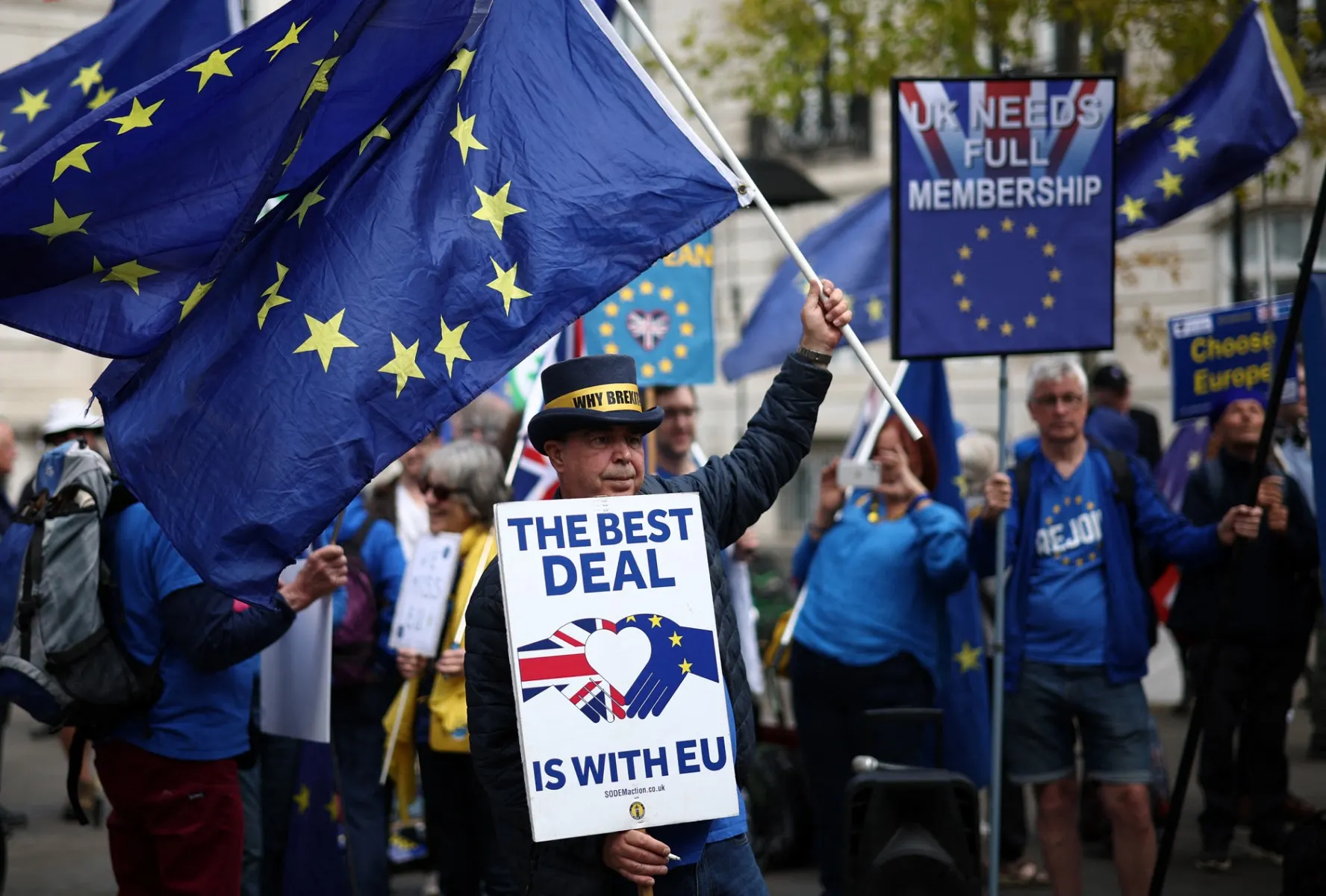
- The postponed summit convenes on November 20 in Brussels amid a new British political landscape following Andy Burnham's accession as Prime Minister.
- Fundamental disagreements are stalling the 'youth mobility' agreement for 18-to-30-year-olds, particularly regarding university tuition fees and work permits.
- Potential alignment on agricultural products and the electricity market, alongside joint coordination to combat migrant smuggling networks.
The Belgian capital, Brussels, is preparing to host the second post-Brexit summit between the European Union and the United Kingdom on November 20, to explore avenues for resetting bilateral relations following a period of deadlock and tension.
The summit was originally scheduled for last July, but was postponed following the resignation of British Prime Minister Keir Starmer. Today, it convenes in a transformed political climate, amid statements by new Prime Minister Andy Burnham regarding opening a national debate on the future of the relationship with the European bloc, including the possibility of rejoining and restoring the free movement of individuals.
Despite this positive atmosphere, Ian Bond, deputy director of the Centre for European Reform, clarified that the summit fundamentally focuses on advancing negotiations originally launched during the May 2025 summit, describing the agenda as "rather modest," yet still struggling to reach the finish line. Bond emphasized that both sides will attempt to project the summit as a diplomatic success, but the reality indicates the persistence of numerous points of contention.
Food and Electricity: Imminent Agreements
During a European Parliament debate last week, European Trade Commissioner Maroš Šefčovič confirmed that the EU seeks to conclude a "comprehensive negotiation package" covering trade in agricultural products, linking carbon markets, and establishing a youth exchange mechanism, alongside ongoing talks regarding London's participation in the European electricity market.
Experts believe that the agreement on sanitary and phytosanitary (SPS) standards is the easiest to achieve, as it would eliminate trade barriers for food and agricultural products resulting from the United Kingdom's commitment to implementing European regulations governing this sector. Both sides are also seeking to coordinate energy trading and capitalize on offshore wind infrastructure in the North Sea to exchange generation capacity based on differing peak hours across the English Channel. In return, the EU requires London to make a substantial financial contribution to the European "Cohesion Fund" in exchange for opening the electricity market.
Youth Mobility File: The Stumbling Block
The youth mobility scheme represents the most complex item on the negotiating table; it aims to grant people aged between 18 and 30 the opportunity to live, work, and study on either side of the Channel for up to three years without the need for a sponsor or complicated sponsorship conditions.
Thomas Byrne, Minister of State for European Affairs of Ireland, which holds the rotating presidency of the Council of the EU, emphasized that "the youth exchange project is at the heart of the goals to rebuild bridges between younger generations," calling it a top priority.
Nevertheless, the agreement is faltering due to Britain's insistence on setting an annual cap on the number of European youth beneficiaries. The EU is also demanding that European students in Britain be exempt from higher international fees and treated as domestic students by paying fees currently capped at around £9,790, alongside exemptions from National Health Service (NHS) surcharges. Meanwhile, Britain has offered a "relative reduction" that the bloc still considers insufficient.
Another point of contention has emerged regarding London's request to allow British youth to move freely among multiple European countries to work, as was the case prior to Brexit. In contrast, EU member states insist that work permits remain a sovereign matter for each individual state and do not confer an automatic right to work in other countries within the bloc, amid leaks suggesting a possible six-month postponement of this file to prevent the summit from failing.
Industry and Irregular Migration
The talks' agenda also includes discussing the possibility of Britain joining the provisions of the "Made in Europe" initiative, which aims to boost domestic manufacturing in critical sectors such as electric vehicles, aluminum, steel, and clean technologies, thereby reducing dependency on countries such as China.
Leaders will also address security and foreign policy files to support Ukraine, as well as enhancing judicial and police cooperation on health security issues, combating migrant smuggling networks, and tackling irregular migration across the English Channel.
Source: The Local
Comments (0)
You must log in to comment on articles.
Log in Sign upBe the first to comment on this article.