

Environmental Protection in France: Conservatories of Natural Spaces in Nouvelle-Aquitaine Manage 500 Ecological Sites
Conservatories of Natural Spaces (CEN) in Nouvelle-Aquitaine manage around 500 ecological sites across 28,500 hectares, supporting biodiversity and rural sustainability.

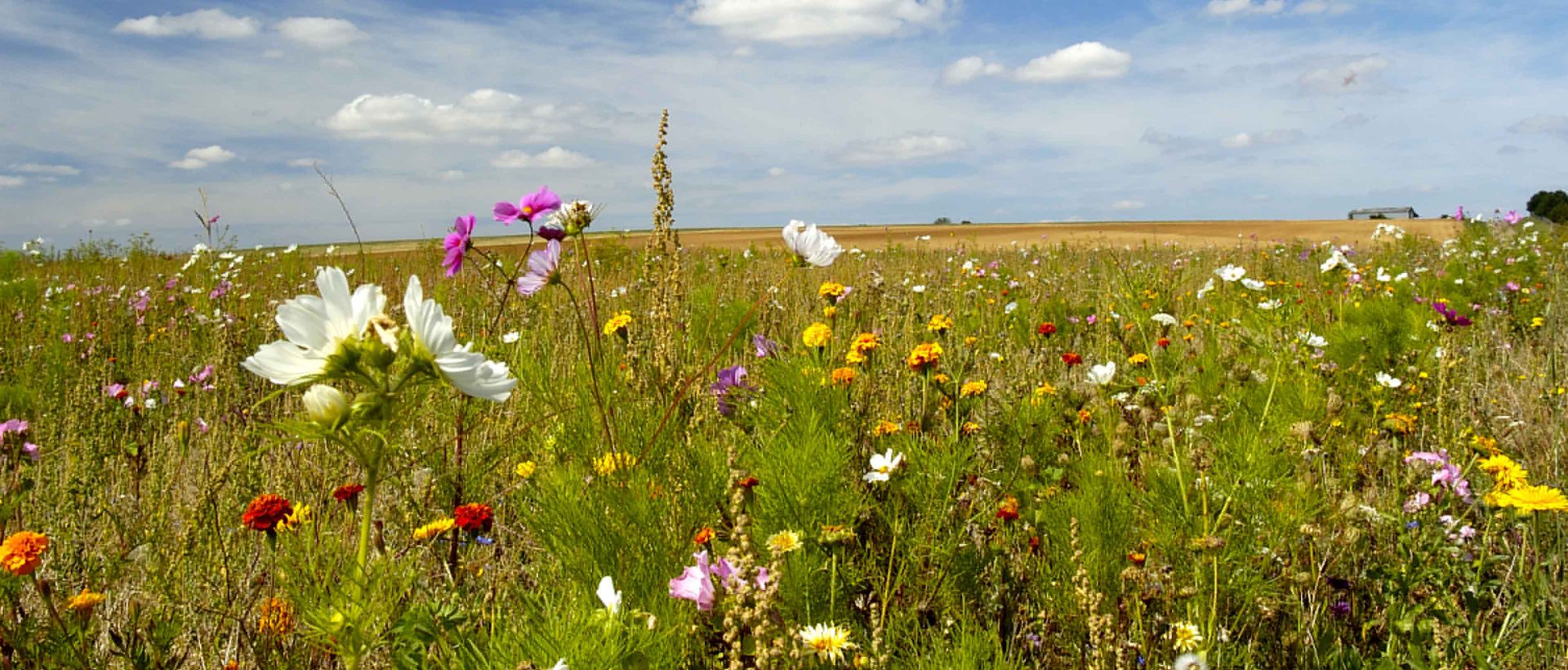
- Management of around 500 natural sites and intervention across an area of approximately 28,500 hectares through the efforts of 120 specialists.
- Merger of the Aquitaine, Limousin, and Poitou-Charentes conservatories in late 2019 to enhance environmental sustainability and the rural economy.
- On-the-ground partnership with more than 100 livestock farmers, and primary funding from the Nouvelle-Aquitaine Region accounting for 22%.
Environmental and Developmental Efforts Spanning Over a Quarter of a Century
The Conservatories of Natural Spaces (CEN) in the Nouvelle-Aquitaine region are considered one of the fundamental pillars for preserving biodiversity and supporting the rural economy in France. Since their establishment more than 25 years ago, the three conservatories in the Aquitaine, Limousin, and Poitou-Charentes regions have solidified their active field presence, before officially merging at the end of 2019 to unify efforts in the fields of protection, scientific research, management, and valorization of natural habitats.
Field Activities and Fruitful Local Partnerships
The missions of these conservatories are multifaceted, encompassing the acquisition of unique natural spaces, the implementation of ecological engineering projects, and the restoration and enhancement of sites, in addition to providing studies, consultations, and technical support. The conservatories place high priority on local partnerships, actively collaborating with more than a hundred livestock breeders to contribute to the maintenance of natural lands through sustainable grazing.
Pivotal Figures and Multi-Institutional Support
The conservatories of the Nouvelle-Aquitaine region manage approximately 500 ecological sites, intervening across a geographical scope extending to around 28,500 hectares, directly owning 3,000 hectares of them. These field operations rely on the competence of 120 specialized employees in natural sciences, habitat management, species documentation, and communications.
These associations serve as a strategic partner to the Nouvelle-Aquitaine Region, which constitutes the primary funder of their budget at up to 22%, alongside additional support received from water agencies, the French state, the European Union, and departmental councils (Départements).
Source: Nouvelle Aquitaine

Comments (0)
You must log in to comment on articles.
Log in Sign upBe the first to comment on this article.