

French Senate Approves Revenue Section of 2027 Budget Amid Efforts to Curb Deficit and Cut Spending
The French Senate has adopted the revenue section of the 2027 budget bill by a vote of 194 to 119, giving initial clearance to the text amid ongoing economic strain and looming austerity measures.

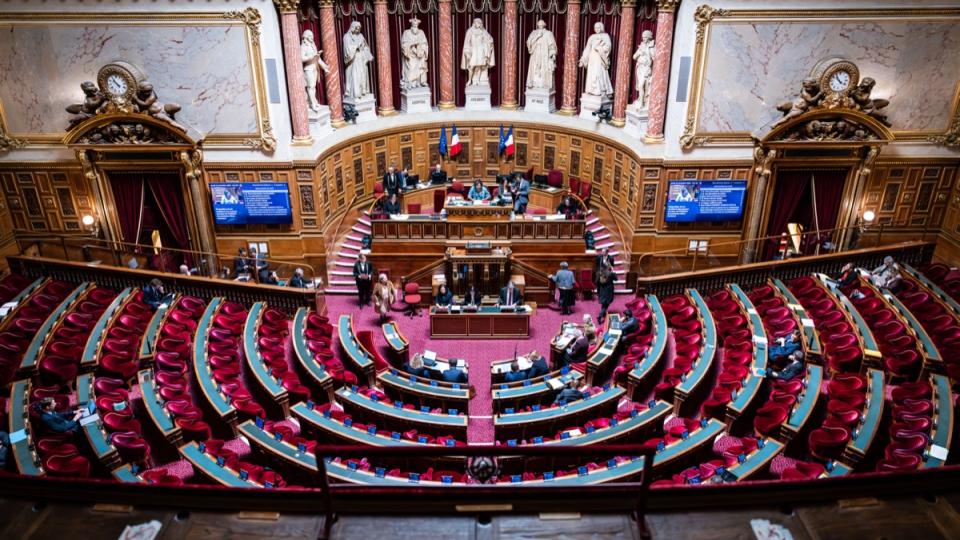
- The Senate approves the first part of the 2027 budget, aiming to lower the public deficit to 5% of GDP.
- Prime Minister Sébastien Lecornu initiates crucial talks with political party leaders to evaluate the potential use of Article 49.3.
- Upcoming debates target €4.6 billion in expenditure cuts, including reforms to State Medical Aid and adjustments to civil service sick leave.
On Sunday, November 29, the French Senate approved the first, revenue-dedicated portion of the 2027 state draft budget by a vote of 194 to 119. The vote marks an initial green light in the budget's parliamentary trajectory following days of intensive debate and several adopted amendments.
The approved bill aims to lower the public deficit to 5% of gross domestic product (GDP) by 2027 through substantial fiscal efforts. The outcome brought relief to the executive branch, as a Senate rejection would have permanently derailed the draft, particularly after its outright rejection by the National Assembly earlier in November.
Acknowledgment of Outdated Economic Assumptions
For his part, Minister for Public Accounts David Amiel praised the "courageous measures" taken by senators, while calling for "additional efforts" to improve public finances. The minister also acknowledged that the economic assumptions underpinning the budget have become "outdated," pledging to update them before the conclusion of the legislative process.
Prime Minister’s Upcoming Talks and Opposition Concerns
The vote comes ahead of a critical week for Prime Minister Sébastien Lecornu, who is set to receive several party leaders at the Matignon Palace in an effort to reach a compromise. On Monday evening, he will meet with Socialist Party representatives Olivier Faure, Boris Vallaud, and Patrick Kanner; however, the Socialists view the government's proposals as falling short. Socialist Senator Florence Blatrix-Contat stated that the necessary conditions have not been met, arguing that the prime minister has not listened to proposals regarding fiscal and social justice.
On Tuesday, the prime minister will also meet with representatives of the National Rally (RN). Sébastien Chenu, leader of the RN group in the National Assembly, stated that his party "rules out no option," while pointing to a sense of responsibility given the prevailing economic reality. These consultations aim to help Lecornu evaluate whether the budget could be enacted using Article 49.3 of the French Constitution, which permits the passage of legislation without a parliamentary vote unless the government is brought down by a motion of no confidence.
Senate Amendments and Anticipated Austerity Measures
These debates unfold against a delicate economic backdrop as France enters an economic downturn. While the government maintains a 1% growth forecast for 2027, multiple parties are calling for a revision, coinciding with warnings from S&P Global over a potential downgrade of the country's sovereign credit rating.
The Senate's right-wing majority introduced amendments that included easing financial constraints on local authorities by over €3 billion, providing incentives for rental housing investment, and repealing a proposed tax targeting the Canal+ network. The Senate is now preparing to debate the spending section of the bill, where committees have already cleared €4.6 billion in spending reductions. These proposals include reforming the State Medical Aid (AME) program, leaving one in two retiring civil service posts unfilled (excluding sovereign domains and education), and increasing the unpaid waiting period for civil service sick leave from one day to three. Current government estimates project the public deficit to stabilize at 5.1% of GDP in 2027, compared to approximately 5.4% in 2026.
Source: CNews
Comments (0)
You must log in to comment on articles.
Log in Sign upBe the first to comment on this article.