

Video Games: Why Is Nintendo Betting Heavily on Reissuing Its Classic Titles?
Faced with soaring production costs and protracted development cycles for blockbuster titles, Nintendo is turning to remakes and remasters of classic games to maximize profits, train emerging talent, and engage multiple generations of players.

- Record-high development costs for major games are pushing studios toward reissuing classics to reduce expenses and secure reliable returns.
- Gaming historian Florent Gorges explains that Nintendo's strategy is not a lack of innovation, but a calculated move to bridge long release gaps and train junior developers.
- Official re-releases enable the company to evoke nostalgia among veteran players and attract new generations, while effectively curbing piracy.
Video game production has become exceptionally expensive, a reality currently confronting major studios developing big-budget titles known as "AAA" games. For instance, analysts estimate that Rockstar Games could spend between $1 billion and $2 billion to develop its highly anticipated title "GTA 6," underscoring the staggering financial scale reached by an entertainment sector that captivates millions of enthusiasts and young people in France and across the globe.
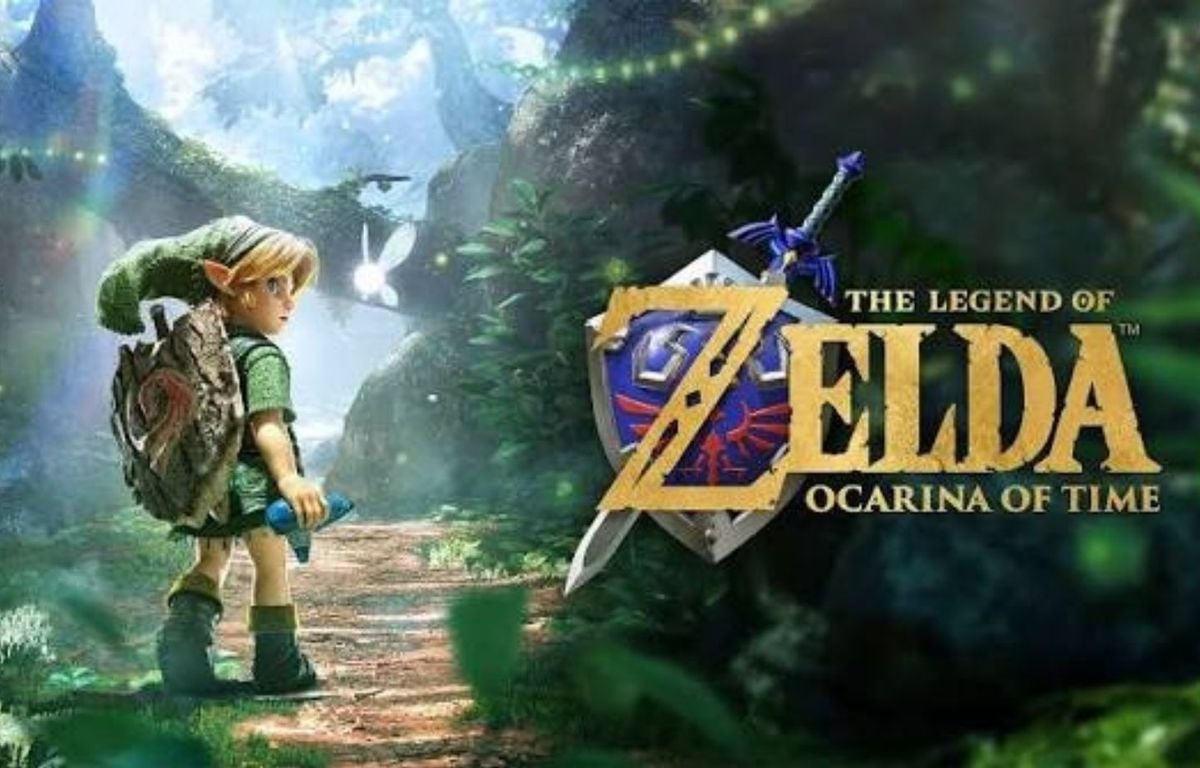
Confronted with this complex financial equation, several studios have turned to developing updated versions and remakes (Remakes and Remasters) of prominent classic works. In this landscape, Japanese gaming giant Nintendo stands out, capitalizing on the massive success of the Switch console to roll out refreshed versions of marquee titles such as "Nintendo Switch Sports," "Super Mario Galaxy," and "Metroid Prime," alongside "The Legend of Zelda: Ocarina of Time," which was released on Thursday, November 5.
Cutting Costs and Boosting Profit Margins
Developing reissued editions delivers multifaceted benefits for gaming companies. The adage "time is money" is practically realized in these projects, which conserve both financial and human capital. Frédérick Duguet, Chief Financial Officer at Ubisoft, previously explained that these productions generate higher profit margins owing to lower production and marketing costs, citing the success of the re-release of "Assassin's Creed: Black Flag Resynced."
For his part, Florent Gorges, author of "The History of Nintendo," affirmed that this strategy is meticulously planned, adding: "For years, Nintendo has attracted the finest minds in Japan to develop its games; hence, this is by no means a lack of innovation. In economic terms, it is simply the optimization of resources and returns."
Gorges pointed out that developing a major title currently requires at least four years of labor, making it essential to fill the intervening periods with projects that ensure continuous audience engagement, while also onboarding new developers onto four-decade-old heritage franchises and refining their skills by upgrading these editions.
Risk Management and Attracting New Generations
Despite criticism claiming that the company merely relies on its past successes, Florent Gorges argues that Nintendo takes genuine risks. Since the Wii era, it has launched ambitious internal projects that fell short of commercial expectations, such as "Captain Rainbow," "Steel Diver," "The Last Story," and "Ever Oasis." Consequently, current management exercises prudent risk management to prevent missteps, especially given its firmly established reputation among families and diverse age demographics.
These releases serve as an effective vehicle for tapping into the nostalgia of veteran players while giving younger generations the opportunity to experience these masterpieces. Moreover, digital subscription services like "Nintendo Switch Online" offer an official pathway to experience heritage games in high quality, thereby curbing the spread of unofficial and pirated versions.
Source: 20 Minutes



Comments (0)
You must log in to comment on articles.
Log in Sign upBe the first to comment on this article.