

Montenegro and Albania Appeal to NATO to Counter Russian Disinformation and Secure EU Accession Path
Montenegro and Albania have called on NATO to provide technical and field support against escalating disinformation campaigns attributed to Russia, amid concerns over hybrid threats to their stability and EU accession prospects.

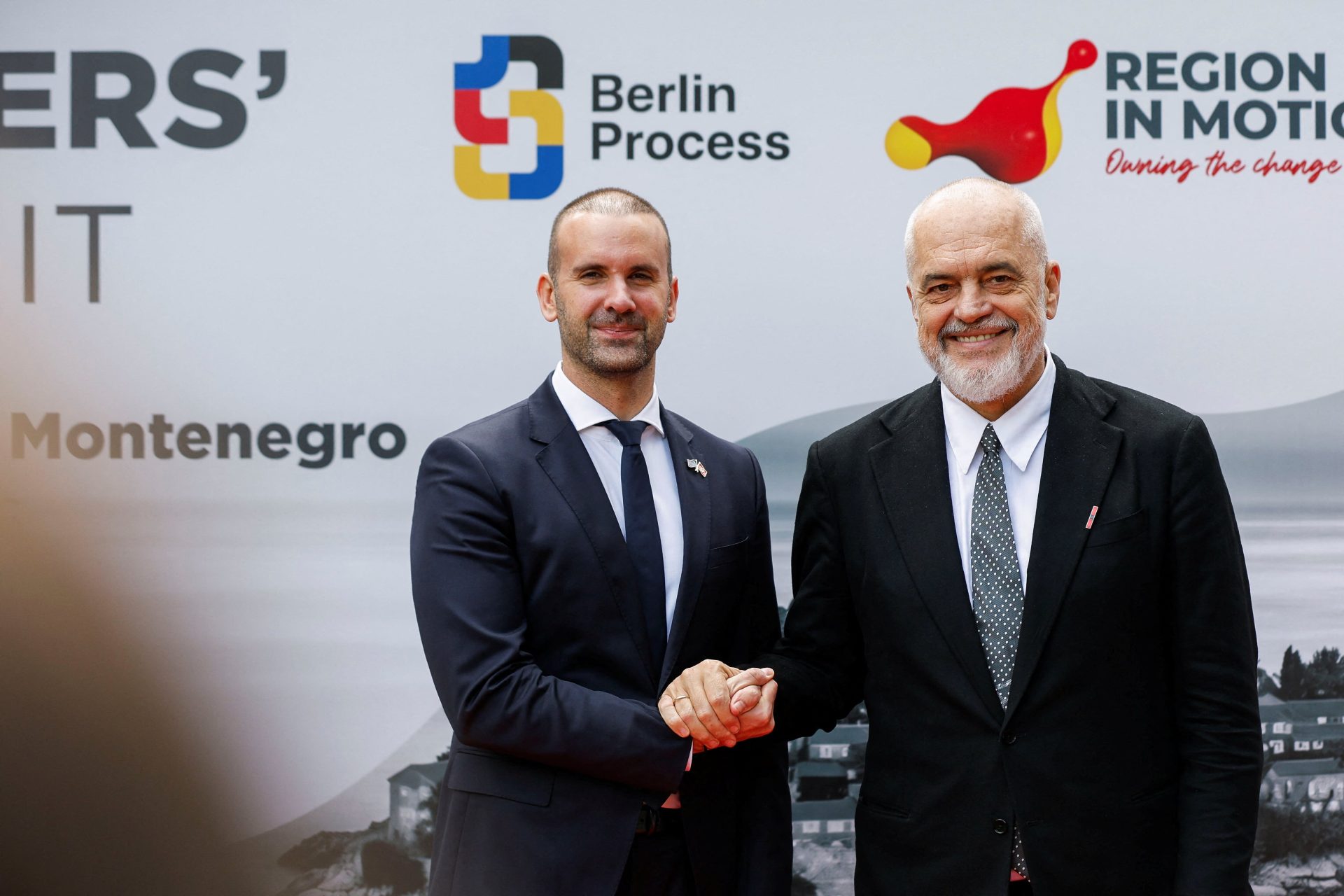
- Montenegro and Albania urge NATO to deploy specialized teams to combat cyberattacks and digital disinformation attributed to Russia.
- Allegations point to foreign actors fueling public protests via social media in Albania, amid denials from Russia and Iran.
- The appeals coincide with decisive steps by both nations toward joining the European Union by 2028 and the end of the decade.
The defense ministries of Montenegro and Albania have issued an urgent appeal to NATO to provide technical and operational field support in countering escalating media disinformation campaigns attributed to Russia, according to statements published by Politico. These moves come amid growing concern in the Western Balkans over the repercussions of hybrid warfare on political and social stability—an issue closely monitored by observers in Europe and France due to its direct link to regional security, migration issues, and European stability.
Official Request for NATO Experts' Intervention
Montenegro's Defense Minister, Dragan Krapović, confirmed that Russia continues to conduct targeted media campaigns exploiting vulnerabilities and social tensions in his country and across the Western Balkans, inviting Alliance officials to visit his country to examine the situation on the ground. The request is not limited to diplomatic visits; it primarily focuses on deploying Alliance teams and experts to counter hybrid tactics. This was echoed by Albanian Defense Minister Ermal Nufi, who stressed the necessity of activating NATO's role in monitoring malicious digital actors online. The dispatch of these teams remains subject to the consensus of member states within the Alliance.
Security Precedents and Accusations of Stoking Unrest
NATO had previously dispatched similar support teams to Montenegro in 2019, Lithuania in 2021, and Albania in 2022 following an Iranian cyberattack that paralyzed government platforms. The Albanian government accuses Moscow of seeking to stoke anti-corruption protests that erupted in May, which initially began over a luxury hotel project linked to Jared Kushner, Donald Trump's son-in-law, in a protected natural area, before expanding to the beaches of Zvërnec and then drawing in students in mid-October protesting academic conditions. The accusations also involved coordinated digital activity across thousands of accounts originating from Iran, despite denials from both countries and the absence of conclusive public evidence released so far.
The EU Accession Stakes
This digital battle takes on paramount importance ahead of upcoming elections and critical milestones. Montenegro is preparing for legislative elections in the summer of 2027, while Albania faces local elections next May. Both countries are also seeking to accelerate their European Union accession process: Podgorica has provisionally closed 21 out of 33 negotiation chapters, hoping to sign the treaty by June 2027 and achieve full membership in 2028. Conversely, the European Commission projects that Albania could conclude its negotiations next year, provided it continues judicial reforms and anti-corruption measures before the end of the current decade.
Source: L’Express
Comments (0)
You must log in to comment on articles.
Log in Sign upBe the first to comment on this article.