

Gilles Kepel’s Analysis: Trump and Netanyahu’s Impasse Threatens Military Escalation and Deepens Identity Fractures in France
French scholar Gilles Kepel analyzes how political deadlocks confronting Donald Trump and Benjamin Netanyahu could trigger military escalation against Iran, while exacerbating identity-based polarization and social unrest in France ahead of the 2027 elections.

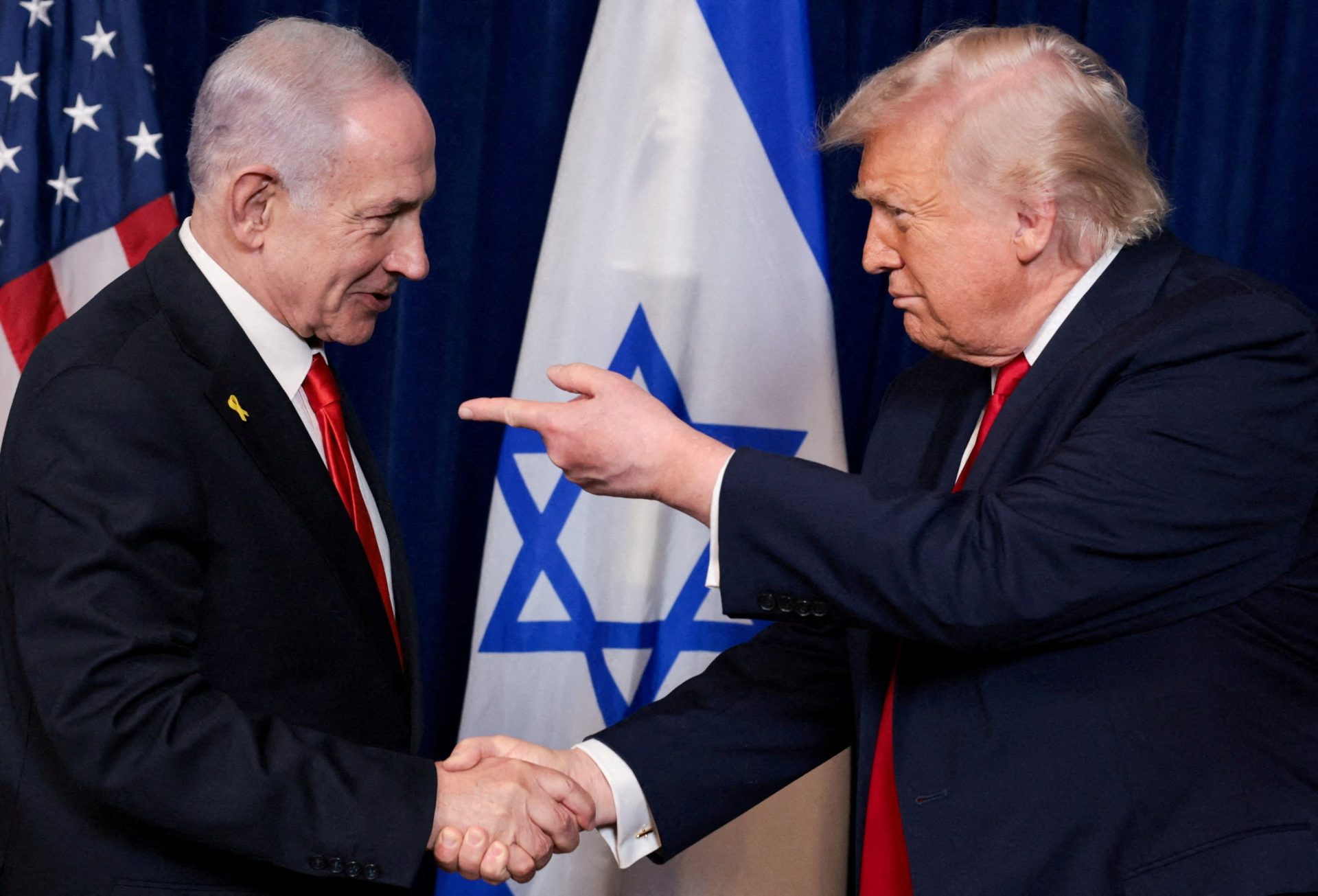
- A political impasse confronting Netanyahu and Trump opens the door to dangerous scenarios of fleeing forward into military escalation against Iran.
- Mounting social anxiety and the rise of artificial intelligence are fueling political polarization and extremism in France and the West.
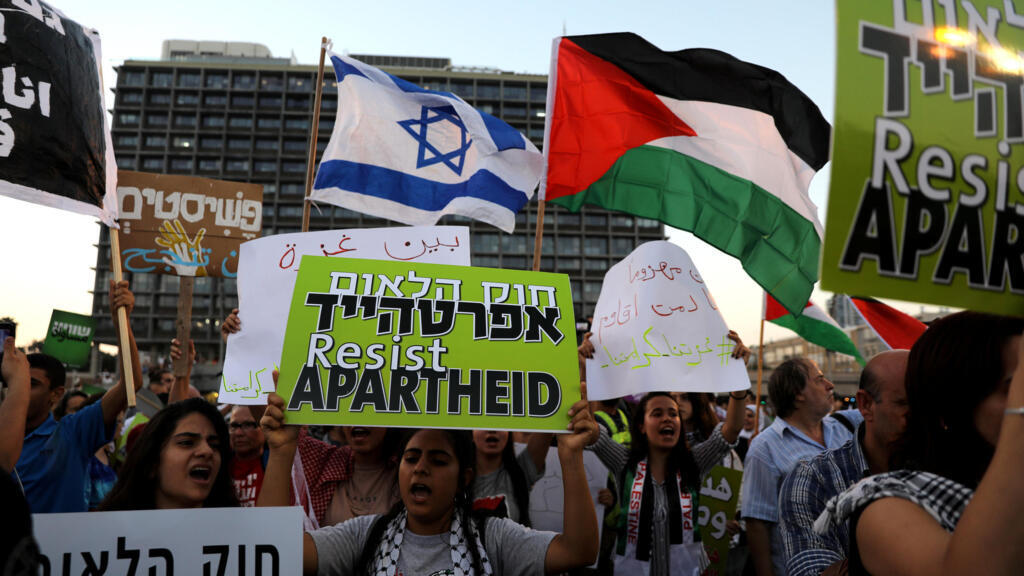
- Solidarity with the Palestinian cause has become a catalyst reshaping identity and protest movements among a broad segment of French youth and descendants of immigrants.
French scholar and academic Gilles Kepel argues that the electoral landscapes in Israel and the United States have concluded in inconclusive setbacks for the camps of Benjamin Netanyahu and Donald Trump, leaving both men in politically and socially fragile positions. In Israel, the Likud party came out on top without securing a majority, while the 19 lawmakers elected to the Knesset across two Arab lists (out of 120 seats) have assumed the role of kingmakers. In a complex political equation involving Gadi Eisenkot and his allies, this dynamic highlights the demographic weight of roughly 20% of non-Jewish citizens and makes bypassing them within state institutions impossible.
A Scenario of Escape into Military Escalation
Conversely, while the Democratic majority in the U.S. Senate—falling short of a two-thirds threshold—shields Trump from impeachment through the end of his term following the November 3 setback, the shared predicament facing both leaders could, according to Kepel, drive them toward a large-scale military gamble against Iran’s military installations buried 150 meters deep beneath granite. This scenario provides a two-month operational window before the new Congress convenes in January 2027, amid fears of turbulent regional and international fallout involving Moscow and Beijing, with no guarantees of resolving the domestic political crises for leaders clinging to power to evade legal accountability.
Technological Anxiety and the Collapse of Social Balances
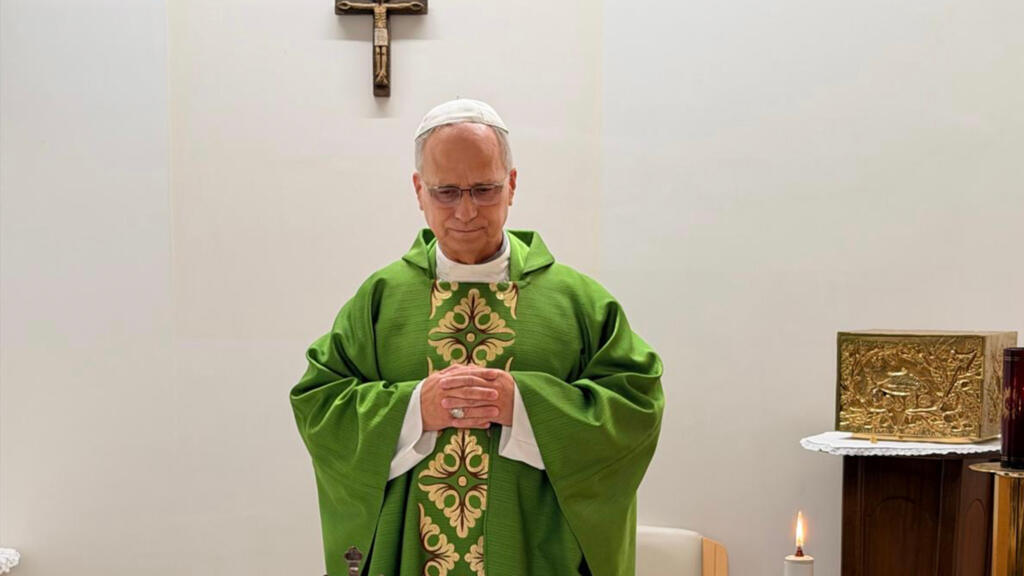
Kepel points out that these ventures coincide with profound social and technological shifts driven by the ascendancy of artificial intelligence, whose lethal applications are multiplying alongside its disruption of intellectual labor, dashing young people's aspirations for security and upward social mobility through education. Such anxieties are even reflected in religious pronouncements, such as Pope Leo XIV’s encyclical (Magnifica humanitas), which calls for the disarming of artificial intelligence. Furthermore, excessive technological wagers in the United States have unsettled the institutional system of checks and balances and intensified societal fractures.
Direct Repercussions on French Society and Streets
This profound transformation extends across Europe and particularly into France, where the traditional political establishment suffers from a collapse of credibility and identity-based polarization has supplanted old-style class conflict. This tension is mirrored in on-the-ground unrest, street demonstrations, and riots that have prompted shopkeepers to board up storefronts in anticipation of the upcoming presidential election.
Student and youth protests in France have taken on dimensions deeply intertwined with Middle Eastern affairs; mobilization initially directed against platforms such as 'Parcoursup' and school schedules has evolved into platforms expressing solidarity with the Palestinian cause and the 'Global South.' Ever since the events of October 7, 2023, and the bloody war on the Gaza Strip, a protest lexicon has crystallized that articulates rejection of marginalization through identification with causes of identity and international justice.
The Impact of Immigration and the Horizon of the 2027 Presidential Election
The researcher concludes that today's French reality differs fundamentally from that of the 1970s during the Vietnam War era. France’s current demographic makeup—shaped by immigration from the Arab and Muslim world, particularly among younger generations born on French soil—plays a prominent role in engaging with the Palestinian cause on emotional and cultural grounds. Alongside parallel developments, such as the election of Egyptian-American physician Abdul El-Sayed to the U.S. Senate representing Michigan on November 2, 2026, identity has emerged as a primary engine of political mobilization leading up to the French presidential election scheduled for April 2027. Consequently, any external military flare-up will inevitably widen the fractures and divisions within the French social fabric.
Source: L’Express
Comments (0)
You must log in to comment on articles.
Log in Sign upBe the first to comment on this article.