

Escalation of 'Violent Far-Right' Terrorism in France: Judiciary Records Historic Surge in Investigations
France's National Anti-Terrorism Prosecutor has issued a direct warning regarding the surging threat of the violent far-right, as authorities open a record number of investigations into radical extremist groups and lone actors.

- The National Anti-Terrorism Prosecutor's Office (Pnat) recorded 9 investigations related to the violent far-right in two years, including 4 in 2026 alone.
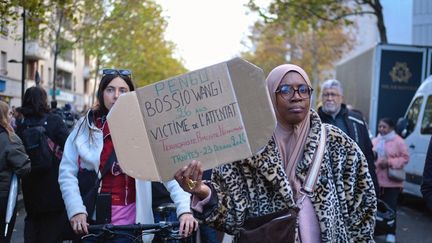
- Recent racist attacks in Trappes and Puget-sur-Argens targeted migrants and Muslims, sounding the alarm over rising extremist violence.
- Security warnings highlight the growing danger of lone actors radicalized by hate speech and conspiracy theories such as the 'Great Replacement'.
France's National Anti-Terrorism Prosecutor, Olivier Christen, has issued a blunt warning regarding the escalating threat posed by the "violent, radical far-right" in the country, emphasizing that the number of cases and investigations tied to these movements has seen an unprecedented and remarkable surge in recent years.
Record Numbers and Unprecedented Investigations
In statements made on Tuesday, November 3, on RTL radio, Olivier Christen explained that while the "jihadist" threat remains the primary concern in France, violent far-right cases are continuously rising. Whereas the National Anti-Terrorism Prosecutor's Office (Pnat) used to open between one and two proceedings annually from its establishment in 2019 until 2024, it has launched nine investigations related to this movement over the past two years, four of which were opened in 2026 alone—an unprecedented record.
Since the prosecution office was established, verdicts have been delivered in 14 far-right-related cases, most notably the "Waffenkraft" case before the Special Assize Court for Minors in June 2023. In that trial, four young neo-Nazis were convicted of plotting attacks against targets including mosques, a synagogue, institutions, and political figures such as Jean-Luc Mélenchon. The primary defendant, former volunteer gendarme Alexandre Gilet (27), was sentenced to 18 years of criminal imprisonment.
The Trappes Attack and Motives of Hate
The prosecutor's warnings follow two weeks after the deadly racist attack that occurred on October 23 in the towns of Trappes and La Verrière (Yvelines). The attack claimed the life of Bengo Bosio Wangu (26), a Black French citizen, and injured seven others, four of them critically. Furthermore, 22 other victims whose vehicles were struck by gunfire or who were targeted without direct physical injury were identified.
Judicial authorities revealed that the perpetrator, Kevin Teissèdre (39), who was remanded in custody, confessed to the racist nature of his attack and admitted to planning it in advance since late summer. He justified his choice of the town of Trappes by describing it as a "den of Islamists," terminology that aligns with far-right political rhetoric. Posters glorifying the National Rally (RN) party were seized at his residence, though he was not an official member, leading to his classification under violent far-right cases.
The Puget-sur-Argens Turning Point and the Rise of 'Lone Wolves'
Analysts point out that the Trappes attack mirrors the attack that occurred on June 1, 2025, in Puget-sur-Argens (Var), when Christophe B. killed Tunisian citizen Hichem Miraoui (46) after posting videos declaring his intention to kill people of North African descent and Muslims. That case marked a historic turning point, as the Anti-Terrorism Prosecutor's Office took charge of an extreme-right murder investigation for the first time.
According to statements by Interior Minister Laurent Nuñez, the greatest danger lies in isolated individuals who are fueled by hate-driven ideologies and conspiracy theories propagated on social media platforms and certain media outlets, such as the "Great Replacement" and "remigration." Although intelligence services monitor approximately 350 far-right groups in France, the primary security challenge remains detecting these independent individuals before they act out their attacks.
Source: France Info

Comments (0)
You must log in to comment on articles.
Log in Sign upBe the first to comment on this article.