

COP31 Climate Conference: Will the 'Full Electrification' Bet Succeed in Cutting Emissions by 2035?
The COP31 UN Climate Summit commenced in Antalya, Turkey, aiming to accelerate the transition toward electricity and achieve the ambitious '35 by 35' target to curb global emissions.

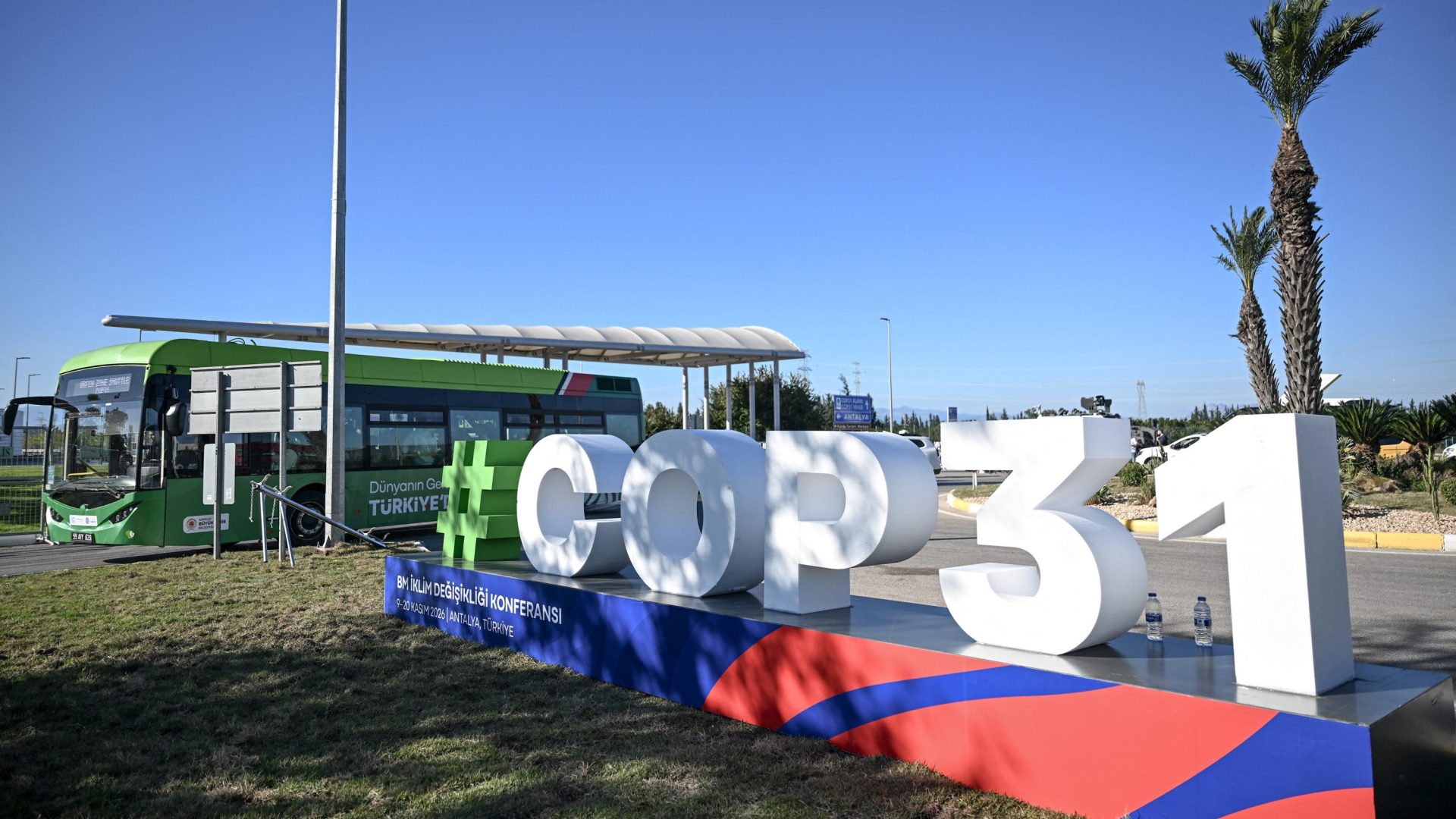
- The two-week COP31 climate summit kicked off in Antalya, Turkey, jointly organized with Australia.
- Introduction of the '35 by 35' target, which aims to secure 35% of global final energy consumption through electricity by 2035.
- A major focus on replacing internal combustion vehicles, gas heating, and gas cooking appliances with electric alternatives, including EVs and heat pumps.
The 31st session of the United Nations Climate Change Conference (COP31) kicked off on Monday in the Turkish city of Antalya, spanning two weeks in a renewed international effort to accelerate the transition to electric power to curb greenhouse gas emissions responsible for global warming.
Global Ambition: The '35 by 35' Target
Co-organized by Turkey and Australia, the current summit places making electricity the primary driver of the energy transition at the top of its agenda. Organizers are seeking an international consensus on an initiative known as the "35 by 35" target, which aims to raise electricity's share to cover 35% of total global final energy consumption by 2035.
A Shift Impacting Everyday Life
These negotiations are of particular significance given that fossil fuels—coal, oil, and gas, the primary drivers of human-induced emissions—still account for more than 80% of total global energy supplies.
The new drive targets the electrification of individual, collective, and industrial uses, directly impacting the daily lives of consumers. This is to be achieved by replacing fossil-fuel-reliant equipment with modern electrical appliances, such as phasing in electric vehicles to replace combustion-engine cars, swapping gas boilers and heaters for heat pumps, and replacing gas cooking stoves with electromagnetic induction cooktops—shifts already underway in many countries that present substantial regulatory and economic challenges toward achieving climate targets.
Source: Le Figaro



Comments (0)
You must log in to comment on articles.
Log in Sign upBe the first to comment on this article.