

Behind the Scenes of the Disputes and Collapse of The Beach Boys: When Good Vibrations Faded Before The Beatles
In 1966, The Beach Boys reached the peak of their artistic rivalry with The Beatles, but the turbulent sessions for their follow-up album, 'Smile', triggered internal strife and a devastating downward spiral.

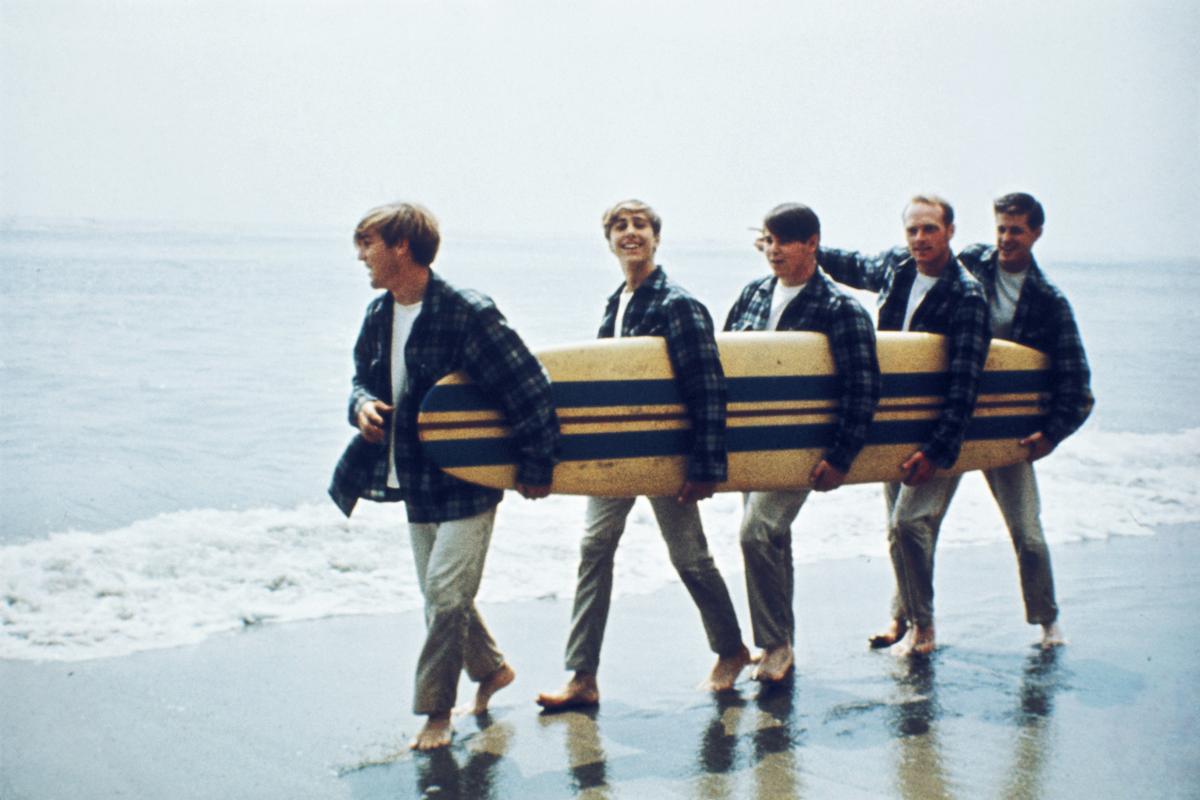
- The band stood at the zenith of its success in 1966, temporarily gaining the upper hand in its rivalry with The Beatles thanks to the album 'Pet Sounds'.
- Preparations for the album 'Smile' suffered an unexpected setback, bringing an end to the band's period of artistic stability.
- The ordeal marked the onset of decline and suffering for bandleader Brian Wilson, preceding his descent into isolation and depression.
The year 1966 marked a pivotal milestone in the history of the famed American rock band The Beach Boys, as they reached the height of their artistic glory and fiercely rivaled their British counterparts, The Beatles. In the midst of that musical confrontation, the California group seized the initiative by releasing the album 'Pet Sounds' in May 1966, a work that represented a definitive departure from the 'surf rock' style that had first brought them fame.
From the Peak of Success to the 'Smile' Crisis
Before psychological struggles, isolation, and breakdown engulfed the band’s leader and visionary, Brian Wilson, circumstances appeared exceptionally promising for the group's members. However, fortunes turned against them when they set out to produce their subsequent album, titled 'Smile'. The project faltered and went off course, marking the start of a major setback and a period of acrimonious disputes, particularly between Mike Love and Brian Wilson.
This review is part of a documentary series examining prominent failures and stumbling blocks in the history of art and culture, exploring how the ambitious musical aspirations of The Beach Boys devolved into one of the most famous crises chronicled in global music history.
Source: Nouvelobs



Comments (0)
You must log in to comment on articles.
Log in Sign upBe the first to comment on this article.