

Russian 'False Flag' Plot in Kaliningrad Revealed as European Security Warnings Recall Incidents in France
A high-risk plot devised by Russian intelligence services to carry out a deadly attack in the Kaliningrad exclave and frame Kyiv has been uncovered, triggering heightened security alerts in Poland and neighboring European nations.

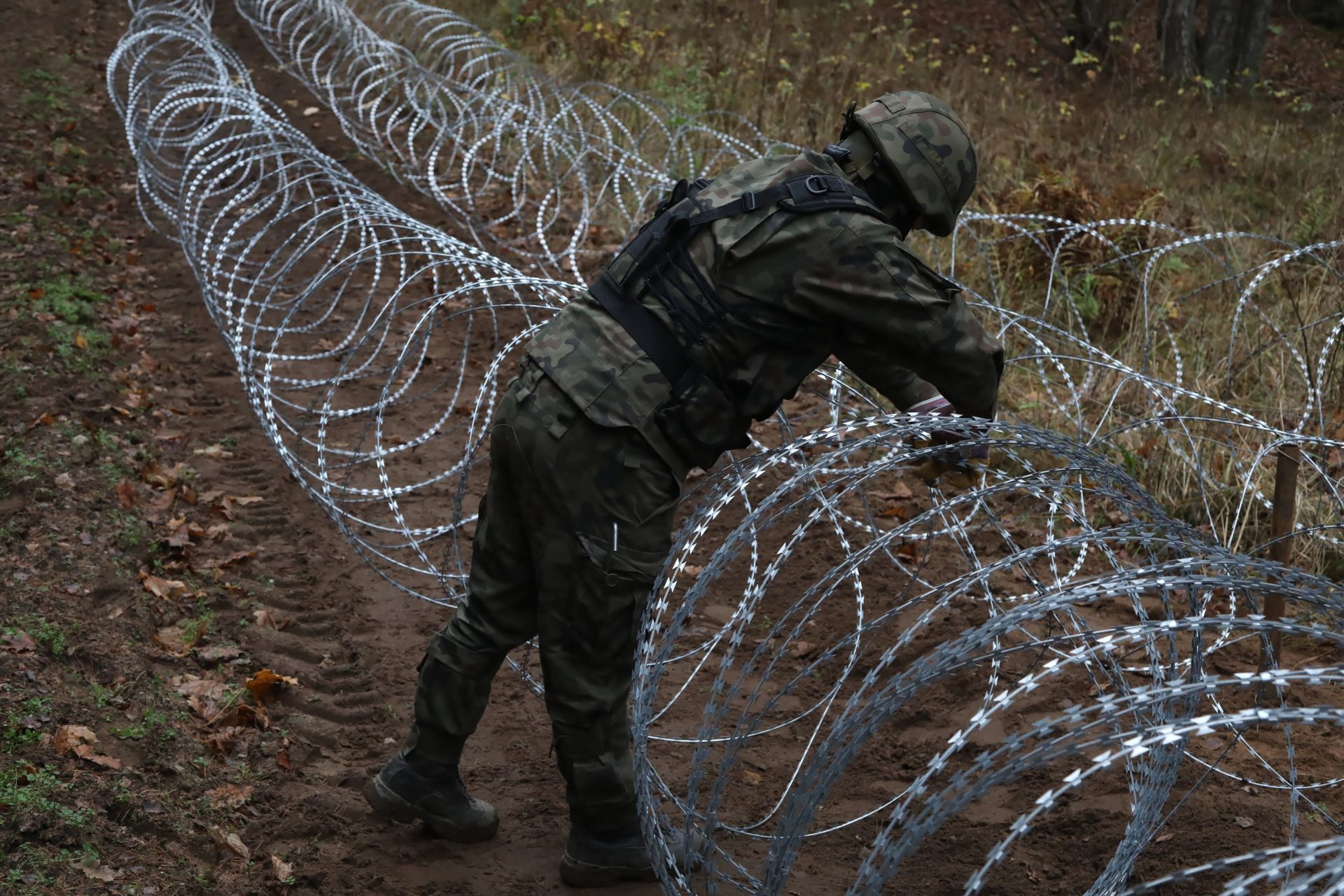
- A covert Russian plot aimed to carry out an attack resulting in casualties in Kaliningrad and frame Ukraine using fabricated documents.
- Heightened security and intelligence alerts in Poland and neighboring European countries to counter infiltration attempts and systematic sabotage operations.
- Recalling previous Moscow-funded operations targeting Paris, such as the Eiffel Tower coffins and the Holocaust memorial incidents, recently concluded by the French judiciary.
The Polish newspaper "Rzeczpospolita" has revealed a high-risk plan devised by Russian intelligence services in late October, based on the concept of executing an armed attack launched by Russian citizens against other Russian citizens inside the Kaliningrad exclave, situated between Poland and Lithuania, with the aim of pinning the blame on the Ukrainian capital, Kyiv.
According to the reports, the plot entailed armed militants infiltrating across the Polish border into Kaliningrad, equipped with forged identification documents and evidence specifically designed to portray them as Ukrainian operatives. The objective was to cause "a large number of casualties," including Russian civilians, with the expectation that the alleged attackers would be eliminated at the scene to consolidate the fabricated narrative.
Heightened Alert in Poland and European Deterrence Measures
Commenting on these leaks, Tomasz Siemoniak, Poland's Minister and Coordinator of Special Services, told the newspaper: "We were aware of a real threat, and the Border Guard, the police, and the army took the necessary and appropriate measures." While refraining from disclosing the specifics of the preventive operations, the British newspaper "The Telegraph" quoted high-ranking officials as saying that Polish intelligence possessed precise information regarding this bloody plot.
In a related context, neighboring countries such as Lithuania are moving to bolster their defenses by erecting border barriers near Kaliningrad, particularly since such attacks rely on an element of surprise that conventional military patrols may be unable to fully contain.
An Old Tactic... and Prior Extensions on French Soil
"False flag" operations are among the historical tactics employed by the Kremlin to confuse adversaries. In this regard, Polish Deputy Prime Minister Radosław Sikorski pointed to a historical precedent dating back to 1939, when German intelligence services staged the "Gleiwitz" provocation to justify the invasion of Poland.
At the European level, and specifically in France, Paris has not been immune to this type of maneuver aimed at domestic destabilization. In the spring of 2024, Bulgarian nationals, funded and directed by the Kremlin, defaced the Holocaust memorial with "red hands" graffiti, followed by the placement of fake coffins at the foot of the Eiffel Tower to inflame public opinion and sow confusion over sensitive political issues. The French judiciary closed this case at the end of 2025, handing down prison sentences ranging between two and four years to those involved.
Exploiting Historical Disputes to Influence Public Opinion
This escalation comes at a time when Polish-Ukrainian relations are experiencing friction linked to painful historical files. Last May, Kyiv named one of its military units after the Ukrainian Insurgent Army (UPA) as a symbol of resistance against Soviet occupation; however, this organization is associated in Polish memory with the "Volhynia" massacres that occurred in 1943, which claimed the lives of thousands of Poles.
Observers believe that Russia is striving to play on these sensitivities and nationalist disputes to fracture European unity and generate public discontent in neighboring countries, which could lead to pressure to halt the support and assistance provided to Ukraine in the face of the ongoing war.
Source: L’Express
Comments (0)
You must log in to comment on articles.
Log in Sign upBe the first to comment on this article.