

"We Won't Turn on the Heating Before December": French Residents Resort to Clever Tricks to Cope with High Costs and Cold
As energy prices climb across France, many residents are postponing turning on their heating until December, taking to social media to share creative—and humorous—hacks to stay warm despite rising bills and health warnings.

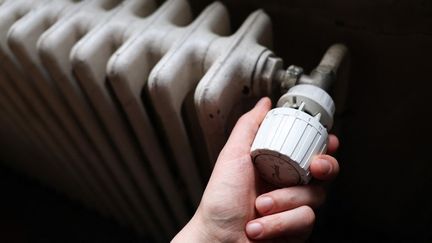
- One-third of France's population and half of young people under 35 struggle to pay energy bills, with further gas price hikes expected.
- Social media users are sharing alternative methods to endure the cold and cut costs, from layering heavy clothing to utilizing residual oven heat after cooking.
- The French Agency for Ecological Transition warns of the health risks associated with cold indoor environments and recommends keeping living room temperatures at no less than 19°C.
As temperatures drop across France, holding off on turning on home heating has evolved into a widespread social media challenge, particularly on TikTok. Under the slogan "No way I'm turning the heater back on now," many residents in France are expressing—with an irony blending reality and anxiety—their struggles with "energy precariousness" amid the ongoing high cost of living.
A Bill Crisis Affecting a Third of Households
Every additional degree of indoor heating represents a direct financial burden on gas, electricity, and fuel oil bills. Findings from the annual barometer of the National Energy Ombudsman (Médiateur national de l'énergie) revealed that one in three French citizens faces genuine difficulties paying energy bills, with the proportion jumping to one in two among young people under the age of 35.
Fears of a worsening situation are growing as pressure on gas prices persists; following a 6.6% increase recorded on November 1, forecasts point to an additional 7% hike starting in early December. In this context, Maxime de La Raudière, Managing Director of the contract comparison platform Selectra, stated to France 2 that this anticipated rise will add approximately €10 per month to the bills of households on contracts indexed to the benchmark gas price.
Tricks and Challenges to Avoid Expenses
Faced with this pressing reality, videos offering solutions to get by in the cold have attracted record viewership. A young woman named Yona documented in a video that she wears a thick winter coat and layered sweaters instead of turning on the heater, commenting sarcastically: "I look totally ridiculous, but at least I'm saving my money." She insisted she refuses to switch on the heating even if indoor temperatures drop to 12°C or 14°C, while her apartment's thermometer currently reads 16°C.
She was not alone; content creator Camille Montagnac posted a video that garnered nearly 80,000 likes under the title: "First one to turn on the heating loses." While some mentioned resorting to electric blankets or simply resigning themselves to poorly insulated homes, one commenter remarked bitterly: "Only poverty will make me hold out until December."
Homegrown innovations have varied widely: Winona noted that she uses an indoor treadmill to warm up and stimulate blood circulation, while a user named "Nesnes" revealed layering several garments and clipping a woolen blanket to their chest. Meanwhile, a young man named Yacine opted for a classic hack—leaving the oven door open after cooking to let residual heat spread throughout the kitchen and the apartment.
Health Risks and Official Warnings
Despite the temporary savings delaying heating may provide, health experts warn that living in a cold, damp environment threatens the respiratory system and encourages mold growth, which negatively impacts occupants' health, particularly in older or poorly insulated homes.
For its part, the French Agency for Ecological Transition (Ademe) recommends setting temperatures to 19°C in living rooms and between 17°C and 18°C in bedrooms. The agency also advises against turning off the heating completely when leaving home for just a few hours, suggesting instead to maintain it between 16°C and 17°C to prevent walls from becoming excessively cold, which ultimately requires double the energy consumption to reheat.
Source: France Info

Comments (0)
You must log in to comment on articles.
Log in Sign upBe the first to comment on this article.