

A Decade Since Its Inception: How France's Nouvelle-Aquitaine Strengthened Its Cultural Policy and Fostered Diversity
Since its creation in 2016, France's Nouvelle-Aquitaine region has anchored its cultural policy in dialogue and co-construction, restructuring key sectors, launching major infrastructure projects, and championing cultural rights and regional diversity.

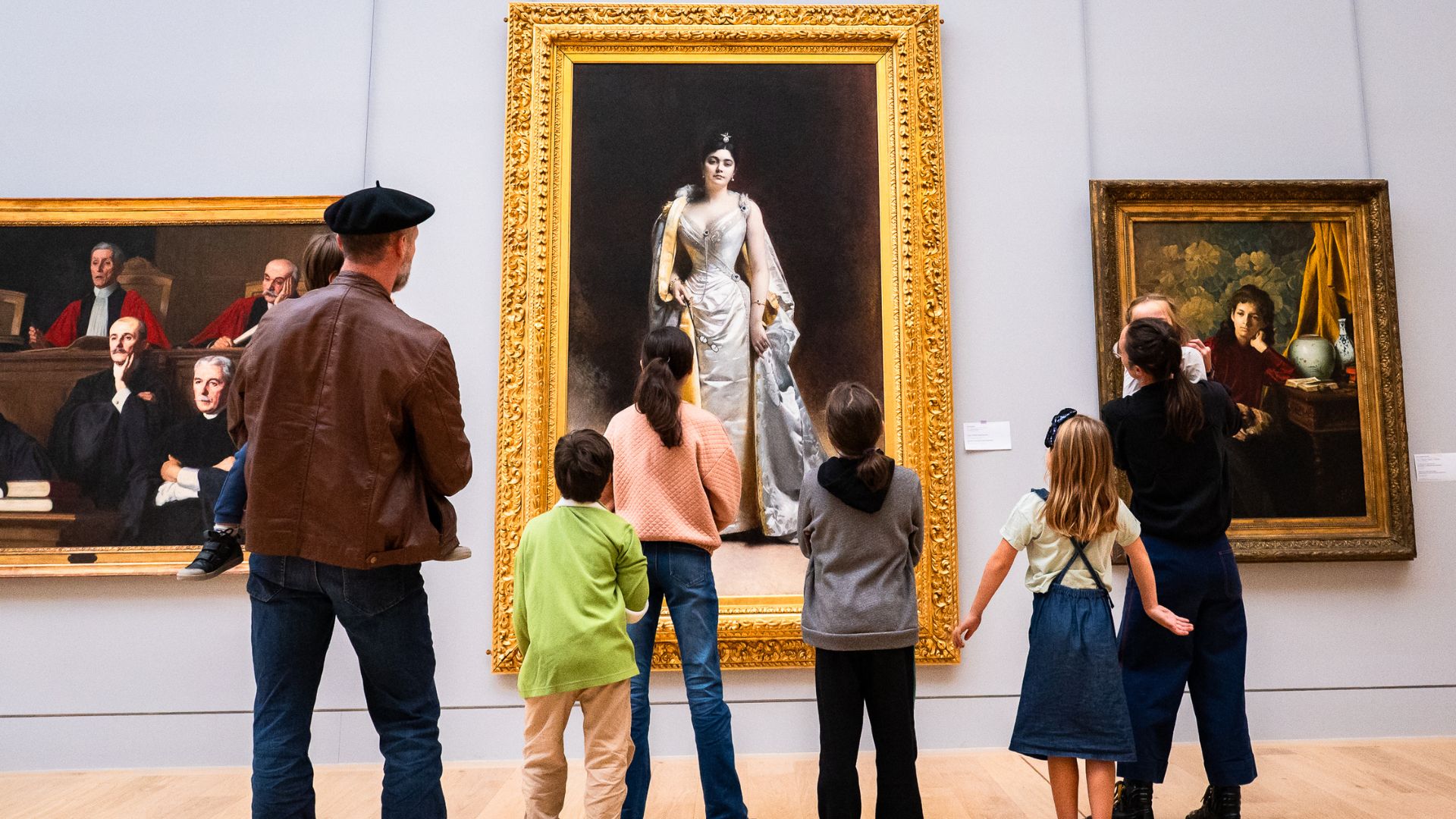
- Reorganization of cultural and artistic sectors across Nouvelle-Aquitaine following the merger of three former regions in 2016.
- Launch of major projects, including the Méca complex in Bordeaux (2019), the Frac-Artothèque in Limoges, and specialized arts education hubs by 2025.
- A strong commitment to upholding cultural rights, driving ecological transition (2024 roadmap), and supporting diversity and regional languages.
Dialogue and co-construction have formed the two foundational pillars guiding the cultural policy of the Nouvelle-Aquitaine region since its official birth in 2016. Under its cultural umbrella, the region brings together multiple sectors, including live performance arts, cultural events, music, literature, cinema and audiovisual production, plastic and visual arts, regional languages and cultures, digital culture, as well as a heritage sector dedicated to the preservation and promotion of cultural legacy.
Restructuring and Unifying Artistic Initiatives
The merger of the three former regions initiated a broad movement to align existing networks and sectors. These needed to be reorganized across the entire scale of Nouvelle-Aquitaine, alongside drafting new sector-wide agreements with various partners. This trajectory allowed the regional policy to be built through ongoing dialogue with professionals and artists. This approach was materialized in the creation of the 'Astre' network for plastic and visual arts in 2018 in Limoges, and culminated in the adoption of an ecological transition roadmap for the cultural sector in 2024 following extensive consultations involving relevant regional agencies.
Major Projects and Advanced Infrastructure
The region has seen the realization of several major projects to strengthen the links between culture and local territories. Most notable among these are the opening of the Maison de l'Économie Créative et de la Culture (Méca) in Bordeaux in 2019, the inauguration of the 'Frac-Artothèque' in Limoges in May 2025, and the establishment of the Higher Center for Music and Dance Education in Bordeaux, linked to the Pôle Aliénor (Poitiers-Tours), in 2025.
Diversity and Anchoring Cultural Rights for All
In close partnership with the French state, the region works actively to support the cultural economy, employment, and sustainable territorial development, while also promoting diversity and facilitating access to culture, training, and professional qualification. The regional policy takes local specificities into account, such as supporting three regional languages (Basque, Occitan, and Poitevin-Saintongeais) through dedicated educational dynamics.
This strategy is crowned by a focus on the concept of 'individual cultural rights,' empowering residents to be active participants in cultural life rather than merely spectators or consumers—whether through volunteering, participating in the governance of associations, or shaping cultural programming. This approach advances cultural democracy and opens the doors of the arts to all.
Source: Nouvelle Aquitaine



Comments (0)
You must log in to comment on articles.
Log in Sign upBe the first to comment on this article.