

Fiscal Debate in France: Has Emmanuel Macron Deepened the Public Deficit the Most?
French President Emmanuel Macron's proposal to enshrine a budgetary 'golden rule' in the Constitution has sparked intense political debate over his fiscal track record compared to previous Fifth Republic presidents.

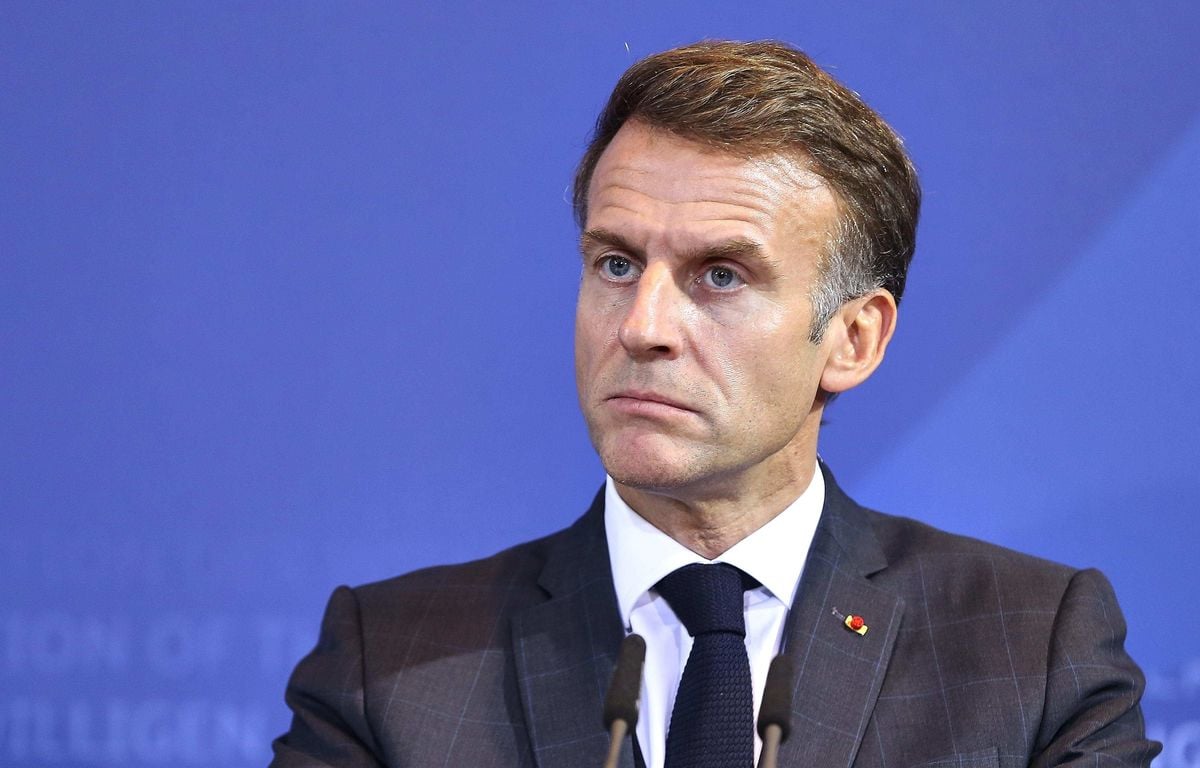
- Macron's proposal to impose constitutional budget constraints has drawn accusations of contradiction and deficit expansion from opposition figures.
- Official Insee data places Nicolas Sarkozy first with an average annual deficit of 5.3% of GDP, followed by Macron at 5.0%.
- François Mitterrand leads in overall public debt accumulation relative to GDP, ahead of both Sarkozy and Macron.
Statements by French President Emmanuel Macron regarding his desire to enshrine a budgetary "golden rule" within the French Constitution have sparked widespread controversy across political circles. The proposal aims to establish a strict multi-year fiscal framework preventing excessive deficits, which opponents have labeled a late move and a blatant contradiction of his economic record.
Sharp Criticism from the Opposition
Prominent political figures leveled sharp criticism at the president. Emmanuel Maurel, a former candidate in the left-wing primaries, stated that Macron is "discovering fiscal balance at the end of his second term," calling it an irony for a president who deepened the public deficit, while noting that in 2017 he inherited well-managed public accounts. For his part, Raphaël Glucksmann described Macron's push to implement this rule just months before the end of his term as the "height of cynicism," asserting in the media that Macron is the president who widened the deficit to unprecedented levels.
What Do the Official Figures Say?
To accurately measure the public deficit, the Maastricht Treaty indicator is used, covering the state budget, local authorities, and the social security administration (Sécurité sociale), calculated as a percentage of gross domestic product (GDP). Data from the National Institute of Statistics and Economic Studies (Insee) indicates that the deficit stood at 3.4% in 2016, just prior to Macron's arrival at the Élysée Palace, whereas the finance bill closing out the administration in 2026 projects it to reach 5.4% of GDP—noting that these figures remain subject to change until the presidential election on May 2, 2027.
Ranking of Fifth Republic Presidents
When calculating annual averages to account for differing lengths of tenure, Emmanuel Macron does not rank first in deepening the public deficit. Former President Nicolas Sarkozy tops the list with the highest average annual deficit at 5.3% of GDP, followed by Emmanuel Macron at 5.0%, and François Hollande in third place with an average of 4.5%.
They are followed by François Mitterrand at 3.2%, Jacques Chirac at 3.0%, Valéry Giscard d'Estaing at 1.2%, and Georges Pompidou at 0.1%. General Charles de Gaulle remains the sole exception among Fifth Republic presidents, ending his tenure with a slight budget surplus of +0.4%.
Impact of Crises and Public Debt
Analyses show that excluding exceptional crisis years—such as the 2009 global financial crisis under Sarkozy and the 2020 COVID-19 pandemic under Macron—does not alter the order of the top positions in deficit accumulation.
Regarding the accumulation of public debt relative to national wealth, the lead belongs to François Mitterrand's tenure, during which France's debt surged by 30.3% of GDP. Nicolas Sarkozy came second with an increase of 23.3%, followed by Emmanuel Macron with a rise of 17.5%, Jacques Chirac at 13.8%, and finally François Hollande with an increase of 9.5%.
Source: 20 Minutes


Comments (0)
You must log in to comment on articles.
Log in Sign upBe the first to comment on this article.