

Widespread Paralysis in US Air Traffic After Unprecedented Technical Outage and Thousands of Flight Cancellations
US air traffic experienced widespread disruption as major airlines canceled thousands of flights following the longest nationwide ground stop since September 11, 2001, caused by a critical communications system failure.

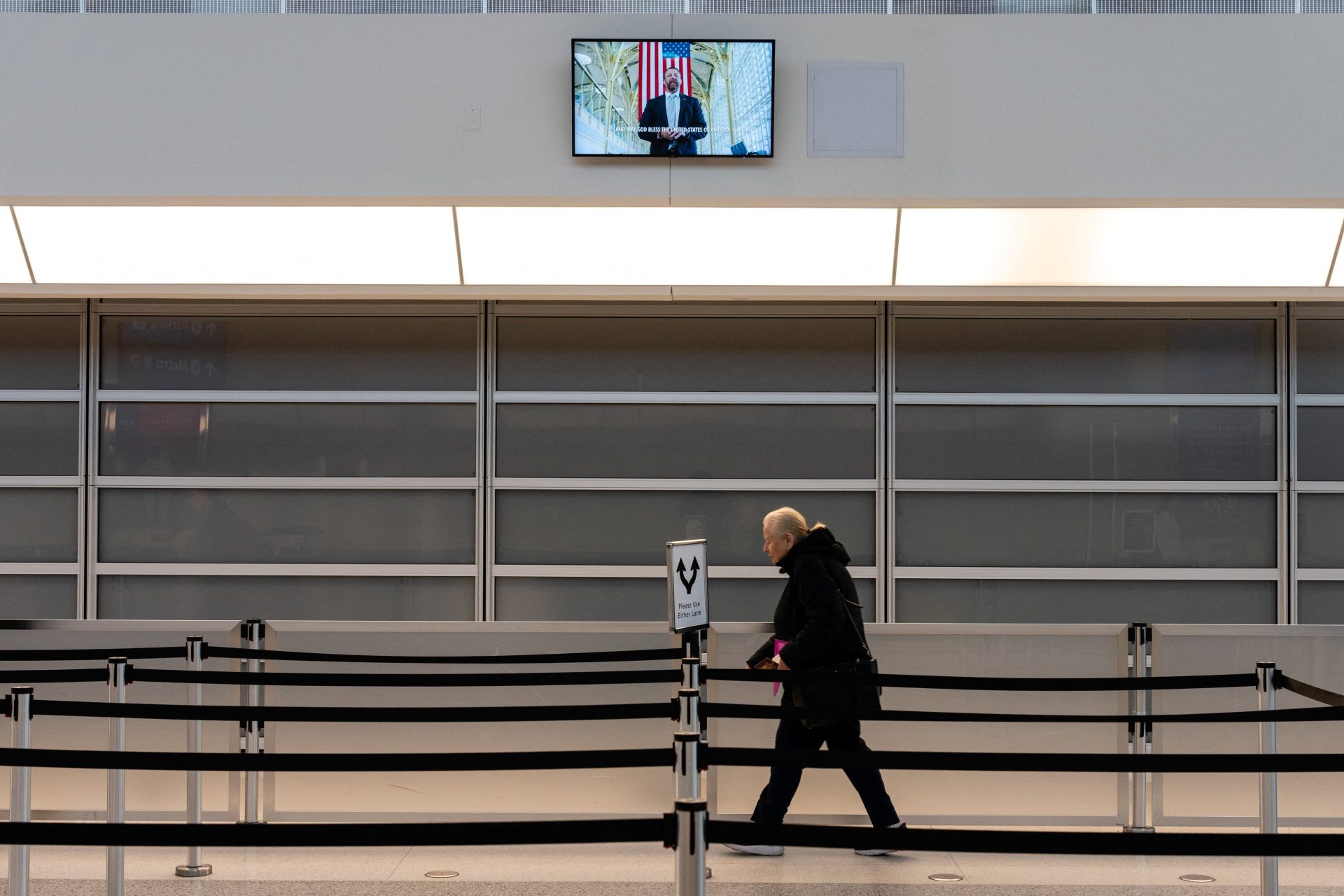
- Nearly 10,000 flights were canceled and thousands more delayed after the FAA imposed an approximately five-hour nationwide ground stop.
- The outage was caused by data overload on routers and the radio frequency network, with no evidence of a cyberattack found so far.
- The US Transportation Secretary declared the situation an emergency and requested $50 billion to modernize aging air traffic control infrastructure.
Air traffic across the United States experienced widespread disruption, with major airlines canceling more than 3,700 flights and delaying 2,000 others on Saturday, as the country grapples with the aftermath of the longest nationwide flight suspension since the September 11, 2001 attacks.
Airport Chaos and Tens of Thousands of Stranded Passengers
The Federal Aviation Administration (FAA) issued a comprehensive nationwide ground stop order on Friday that lasted nearly five hours, forcing airlines to cancel approximately 10,000 flights and delay over 7,000 others, in one of the worst crises in the history of American aviation. Although the ground stop was lifted Friday evening, repercussions continued, leaving tens of thousands of travelers stranded at airports from Boston and New York to Chicago, Los Angeles, and Seattle.
To manage congestion and gate constraints, United Airlines and Delta Air Lines announced temporary flight pauses on Saturday at Chicago O'Hare and New York LaGuardia airports, respectively. Meanwhile, American Airlines prioritized international flights and services to smaller cities to reposition aircraft and crews more quickly.
Causes of the Technical Glitch and Security Investigations
The FAA explained that the ground stop decision resulted from an outage affecting the network responsible for managing vital radio frequencies used by air traffic controllers to communicate with pilots, a system operated by L3Harris. According to Transportation Secretary Sean Duffy, the issue began at 15:36 Eastern Time (20:36 GMT) following instability in radar and communication systems caused by a data overload on routers, which necessitated shutting down the system without completely losing contact with aircraft in the air.
For his part, Homeland Security Secretary Markwayne Mullin affirmed that there is no evidence so far linking the outage to a cyberattack or a malfunction in artificial intelligence systems, noting that the National Security Agency (NSA) is participating in ongoing investigations to examine all possibilities.
Emergency and Demands for Billions to Modernize Infrastructure
This crisis has once again placed the spotlight on aging air traffic control infrastructure and staffing shortages. Transportation Secretary Sean Duffy demanded an urgent $50 billion allocation to modernize the system, describing the situation as an "emergency," following a previous government request to Congress for approximately $30.1 billion for the same purpose.
It is noted that airlines are not legally required to compensate stranded passengers for cancellations because the responsibility lies with the federal administration. Meanwhile, shares of major US airlines fell on the stock exchange by rates ranging between 1% and 3% immediately following the crisis.
Source: L’Express

Comments (0)
You must log in to comment on articles.
Log in Sign upBe the first to comment on this article.