

Five European Countries Unveil Controversial Plan to Transfer Rejected Migrants to Rwanda
Five EU nations, including Germany and Denmark, have proposed a joint initiative to transfer rejected asylum seekers to Rwanda in a bid to deter irregular migration.

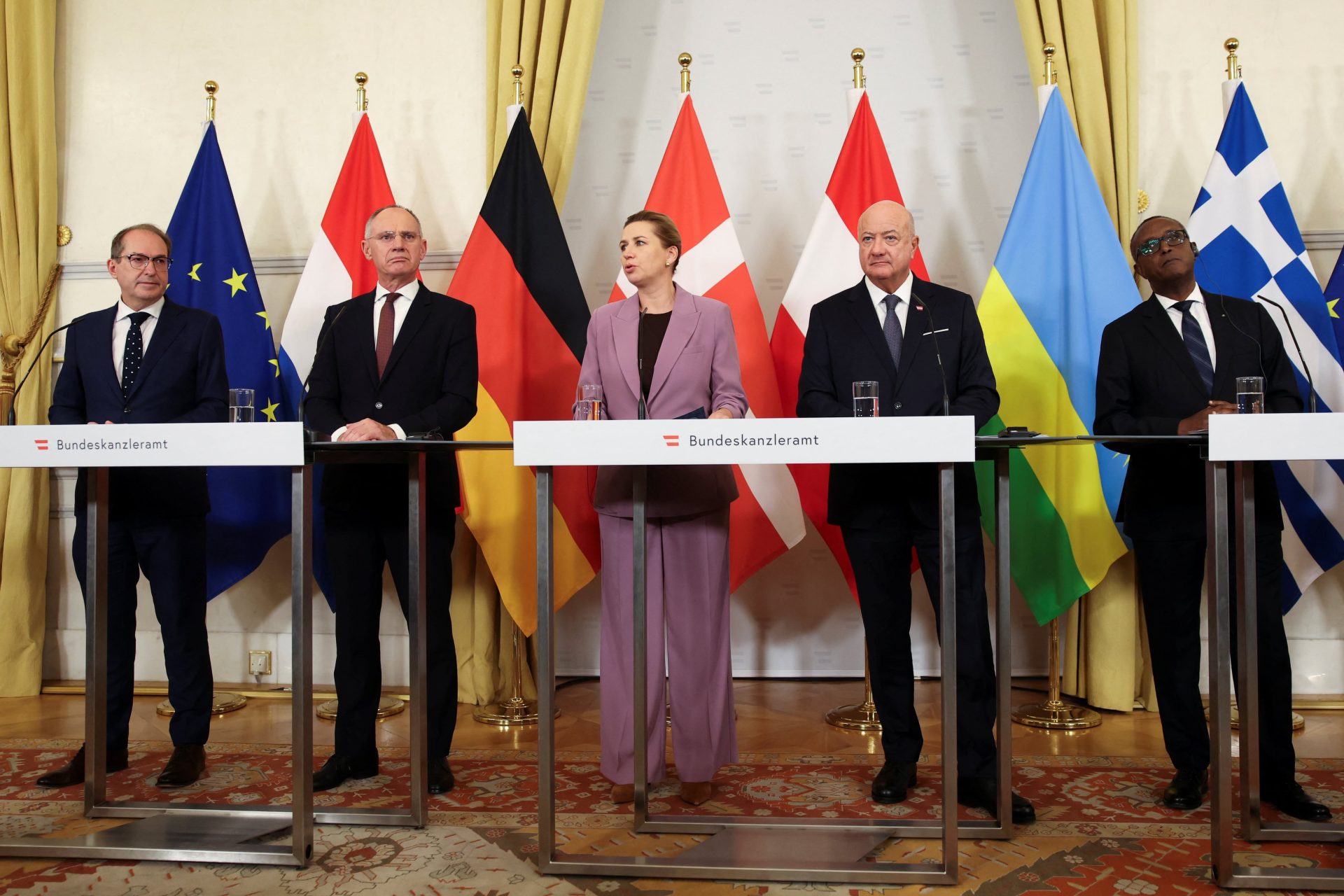
- A coalition comprising Germany, Austria, Greece, Denmark, and the Netherlands proposes a plan to transfer rejected asylum seekers to Rwanda.
- The center accommodates only around 100 people and focuses on deterring irregular migration flows without targeting pending applications.
- Forty-seven human rights and humanitarian organizations demand the immediate cancellation of the plan, warning of grave risks to human rights given Kigali's record.
In a move reflecting a growing shift toward stricter asylum policies across the European continent, five European Union countries presented on Monday, November 16, a joint project to transfer migrants who no longer have the legal right to remain on European soil to Rwanda. This initiative includes Germany, Austria, Greece, Denmark, and the Netherlands, with negotiations still underway with the Kigali government to finalize the mechanism, which these capitals hope will serve as an effective deterrent against irregular migration.
Operating Mechanism and Options Available to Deportees
The project is based on transferring asylum seekers whose applications have been rejected and who have exhausted all legal appeals to an accommodation center established in Rwanda. According to clarifications issued by Rwandan authorities, migrants there will have three options: voluntary return to their countries of origin, settlement and integration in Rwanda, or departure to another country that grants them legal residence rights. Speaking at a press conference held in Vienna alongside her Austrian counterpart and ministers from the participating countries, Danish Prime Minister Mette Frederiksen stated that this measure "will be a game changer that allows us to face the immense challenges of illegal migration."
This initiative coincides with European governments' push to adopt firm policies to counter the rise of far-right parties, and in line with the European Union's recent adoption of new legislation to speed up deportations. Although the capacity of the proposed center is limited to no more than around 100 people at a time, the five countries are betting on the psychological and deterrent impact to prevent the arrival of new migrants by demonstrating the possibility of their transfer outside of Europe.
Rights Condemnation and Kigali's Record Under Scrutiny
This scheme differs from the previous British program that sparked widespread controversy earlier this decade; the European project is strictly limited to those who have fully exhausted asylum procedures and does not include those whose files are still under review. However, these differences have failed to quell the concerns of human rights advocates. In a joint statement, 47 human rights, humanitarian, and trade union organizations—including the International Rescue Committee and the Dutch Council for Refugees—called on the five governments to backtrack immediately, arguing that the plan accepts grave violations of the rights of the most vulnerable groups to achieve an unproven deterrence.
For their part, Rwandan authorities expressed their readiness to receive the deportees. Rwandan Minister of Internal Affairs Vincent Biruta affirmed that his country is not demanding any financial compensation for this agreement, noting that Kigali is offering migrants a "second chance," while the European countries will cover transportation costs and integration programs for those who choose to stay. Nonetheless, the issue draws sharp criticism due to the human rights record of Rwandan President Paul Kagame; Freedom House classifies the country as "not free" due to restrictions on opposition, freedom of expression, and arbitrary detention, in addition to accusations leveled against Kigali of supporting armed groups in the Democratic Republic of the Congo. Amnesty International warned that the absence of oversight mechanisms could turn this agreement into a "black hole for human rights violations."
Echoes of the British Experience
This is not the first time Rwanda has entered into migration partnerships with the West, as the United States began transferring limited numbers there last year under an agreement accommodating up to 250 people. However, Britain's experience remains the most prominent backdrop to the current negotiations. After the UK Supreme Court struck down London's plan in 2023, ruling it unlawful, Kigali demanded compensation amounting to £50 million (around $63.6 million). It appears that the infrastructure and hotels prepared at that time, which were inspected by two European lawmakers during a visit to Kigali last September, may be repurposed to implement the new European project.
Source: L’Express



Comments (0)
You must log in to comment on articles.
Log in Sign upBe the first to comment on this article.