

French Expert Analyzes Trajectories of Trump-Iran Escalation and Hybrid Warfare Risks in Europe
In an analysis of escalating US-Iran tensions and the future of Tehran's regime, French researcher Clément Therme examines power dynamics, potential conflict scenarios through 2029, and the growing risks of hybrid warfare extending into Europe.

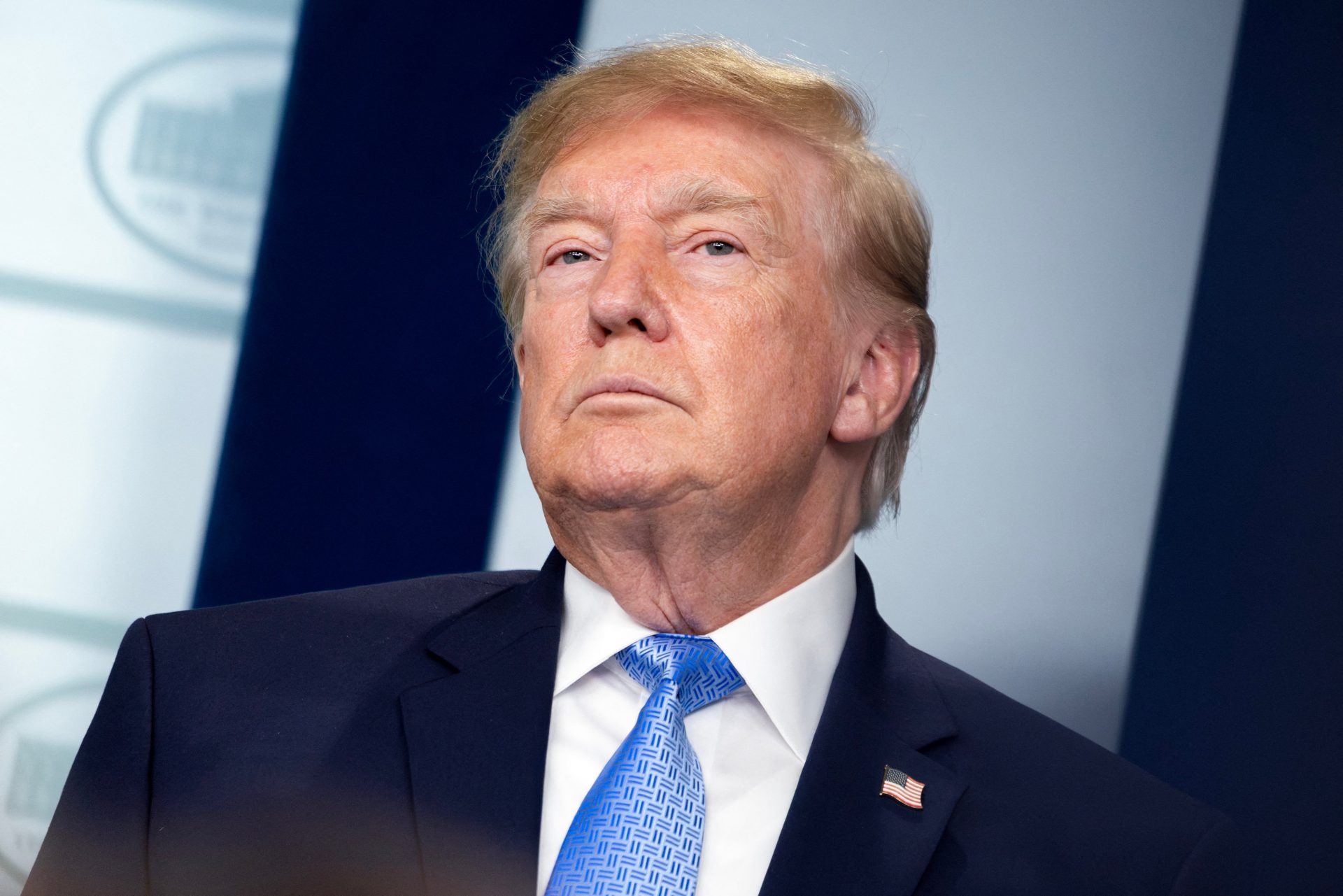
- Trump signals an end to negotiations with Iran, aiming to intensify financial isolation through the end of his term in January 2029.
- Tehran faces suffocating demographic and economic crises, increasingly relying on regional militias to offset military manpower shortages.
- European concerns mount over Tehran resorting to cyberattacks and hybrid operations targeting nations including France to establish deterrence.
In light of recent statements by US President Donald Trump on Truth Social on November 12, in which he asserted that 'there is no need for a deal with Iran,' questions are mounting over the trajectory of US Middle East policy and the future of the regime in Tehran. In a newly published book titled 'Tomorrow Iran, the Future of a Nation' by Le Cerf publishing house, Clément Therme, an associate researcher at the French Institute of International Relations (Ifri) and the International Institute for Iranian Studies (Rasanah), dissects the mechanisms of power and anticipated conflict scenarios, emphasizing that Trump primarily seeks to carve out a political legacy through the Iranian dossier.
The Nature of the Internal Regime: Between Hardening and Ideological Decline
The French researcher compares the reality of the Islamic Republic of Iran to the trajectory of the Soviet Union prior to its collapse. While its external influence extends across regions such as southern Lebanon, Iraq, Yemen, Afghanistan, Pakistan, and Kashmir, the domestic front has suffered from clear ideological fractures since the 1990s, alongside an increasing embrace of individualistic values by the youth and a rejection of the officially imposed lifestyle. However, Therme highlights a fundamental difference in the nature of the regime: it is led by a fragmented, decentralized authoritarian system, with the security apparatus, the Basij, and the Islamic Revolutionary Guard Corps maintaining their readiness to deploy extreme political violence to safeguard regime survival, as demonstrated in the crackdown on the January 2026 protests.
The expert also points to a shift at the top of the leadership hierarchy since Mojtaba Khamenei took power on March 8, 2026, following the departure of the former Supreme Leader who governed the country between 1989 and February 28, 2026. The current leader remains largely absent from public view, prompting rival factions to exploit his name to advance their own agendas while awaiting a clearer balance of power with the conclusion of the current US administration in January 2029.
Demographic Crisis and Military Repercussions
On the societal level, Iranian society faces a demographic decline that poses a concern to the regime's regional ambitions, with the fertility rate falling to 1.4 children per woman and recording further declines in 2026 due to economic crises and war. Despite attempts to enforce pro-natalist policies and curb female labor force participation—which has ranked the country among the lowest globally in World Economic Forum reports alongside Afghanistan—these policies have met social resistance and a rising age of marriage.
To compensate for this human deficit within its military apparatus, the regime increasingly relies on foreign fighters within Afghan and Pakistani militias as well as personnel from Iraq and Yemen, alongside lowering the age of conscription.
Potential Scenarios Leading Up to January 2029
Clément Therme argues that Trump's financial strangulation strategy leaves Iran facing several potential paths, most notably a 'self-reliance and retrenchment' scenario until a Democratic administration potentially takes office in 2029. Under this trajectory, the country would be forced to rely on domestic consumption of roughly two million barrels of oil per day to offset the halt of land and maritime exports. The option of 'accelerated militarization' also remains on the table, despite isolating Iran from its neighbors and key economic partners like the United Arab Emirates, while Tehran continues to bank on commercial cooperation with China, which remains difficult to subject to comprehensive US sanctions.
Other alternatives range from internal political realignment restoring balance should a negotiation-oriented approach led by US Vice President JD Vance prevail, to a scenario of regime transformation under the weight of renewed US-Israeli military strikes that cannot be ruled out before 2029.
Risks of Hybrid Warfare and Repercussions for France and Europe
Regarding external security, the researcher warns that Tehran may adopt a deterrence strategy via 'horizontal escalation,' shifting the confrontation into new geographical spheres, including Europe. Publicly declared threats have encompassed US military bases in Europe as well as efforts to develop missiles with ranges exceeding 2,000 kilometers.
In particular, the danger of hybrid operations, the mobilization of proxy networks, and cyberattacks against critical infrastructure in European states comes to the fore. This includes France, which has experienced cyberattacks targeting cold chains and commercial refrigeration in major supermarkets as a tactical pressure tool, even though such measures risk pushing Western capitals to adopt decisively hardened stances toward Tehran.
Source: L’Express
Comments (0)
You must log in to comment on articles.
Log in Sign upBe the first to comment on this article.