

Israeli Coalition Talks Stall Between Benjamin Netanyahu and Rival Gadi Eisenkot
Surprise talks between outgoing Israeli Prime Minister Benjamin Netanyahu and his main rival Gadi Eisenkot have concluded without an agreement to form the next government amid parliamentary deadlock.

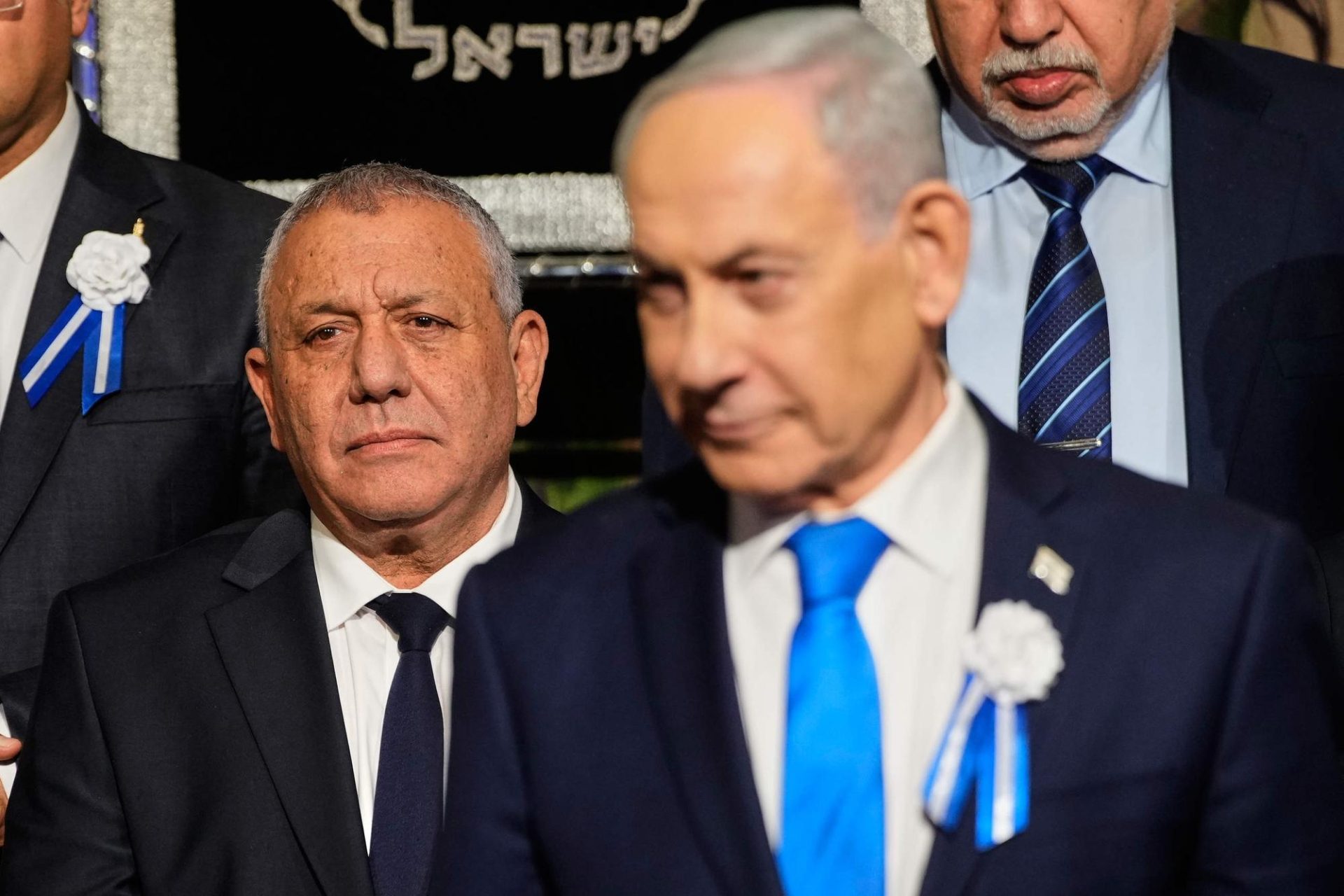
- Negotiating teams for Netanyahu and Eisenkot fail to reach an agreement to bridge deep differences between the two sides.
- Netanyahu proposes a rotating premiership starting with Eisenkot, amid widespread rejection and skepticism from opposition leaders.
- Eisenkot is required to finalize his coalition options to secure a 61-seat majority before the December 6 deadline.
Media reports citing Agence France-Presse and the magazine "Le Nouvel Obs" stated that surprise talks launched on Sunday, November 29, between outgoing Israeli Prime Minister Benjamin Netanyahu and his main rival in the legislative elections, Gadi Eisenkot, ended without reaching any agreement to form the next government.
Reasons for the Parliamentary Deadlock
This impasse is rooted in the nature of Israel's proportional representation system, as neither side managed to secure an absolute majority of at least 61 seats out of the 120 Knesset seats in the legislative elections held on October 27. Eisenkot's coalition won 48 seats compared to 53 seats for Netanyahu's coalition and his allies in the previous government, while two Arab parties opposed to Netanyahu won the remaining 19 seats.
Following these results, Israeli President Isaac Herzog tasked former Chief of Staff Gadi Eisenkot with forming the government, granting him a constitutional deadline ending on December 6. This has prompted Eisenkot to weigh multiple options, including bringing in hardline parties, allying with Arab lists, or forming a national unity government with Netanyahu's Likud party.
Rotation Proposal and Opposition Reactions
Developments accelerated when Netanyahu tabled a proposal to form a rotating government, with Eisenkot serving as prime minister first to address security challenges. In contrast, critics argued that this offer was intended to give Netanyahu political room to maneuver amid his corruption trial and his refusal to form an independent commission of inquiry into the security failures preceding the Hamas attack on October 7, 2023.
The initiative sparked rejection across the opposition. Yousef Jabareen, head of the Joint List, criticized the proposal, stressing the necessity of the current government's departure, while Yair Lapid described the initiative as a political trick. For his part, Mansour Abbas, head of the United Arab List (Ra'am), stated that his party supports a bill aimed at establishing an independent commission of inquiry into the events of October 7.
Outcome of the Talks
The Likud and Yashar parties confirmed in a joint statement that the meeting was held in a serious atmosphere, with both sides seeking to overcome significant differences, but concluded without tangible progress or setting a date for a follow-up meeting. Israeli media reported that Eisenkot informed Netanyahu of his adherence to the members of his bloc and his refusal to abandon them, amid persistent disagreements over judicial reform and assigning responsibility for the October attack.
Source: Nouvelobs
Comments (0)
You must log in to comment on articles.
Log in Sign upBe the first to comment on this article.