

After the US Midterm Tsunami: Analyst Damon Linker Warns Democratic Tide Could Turn Again
Political scientist Damon Linker cautions against reading the recent Democratic midterm sweep as the end of Trumpism, arguing that the nation remains locked in a relentless populist cycle driven by the cost of living.

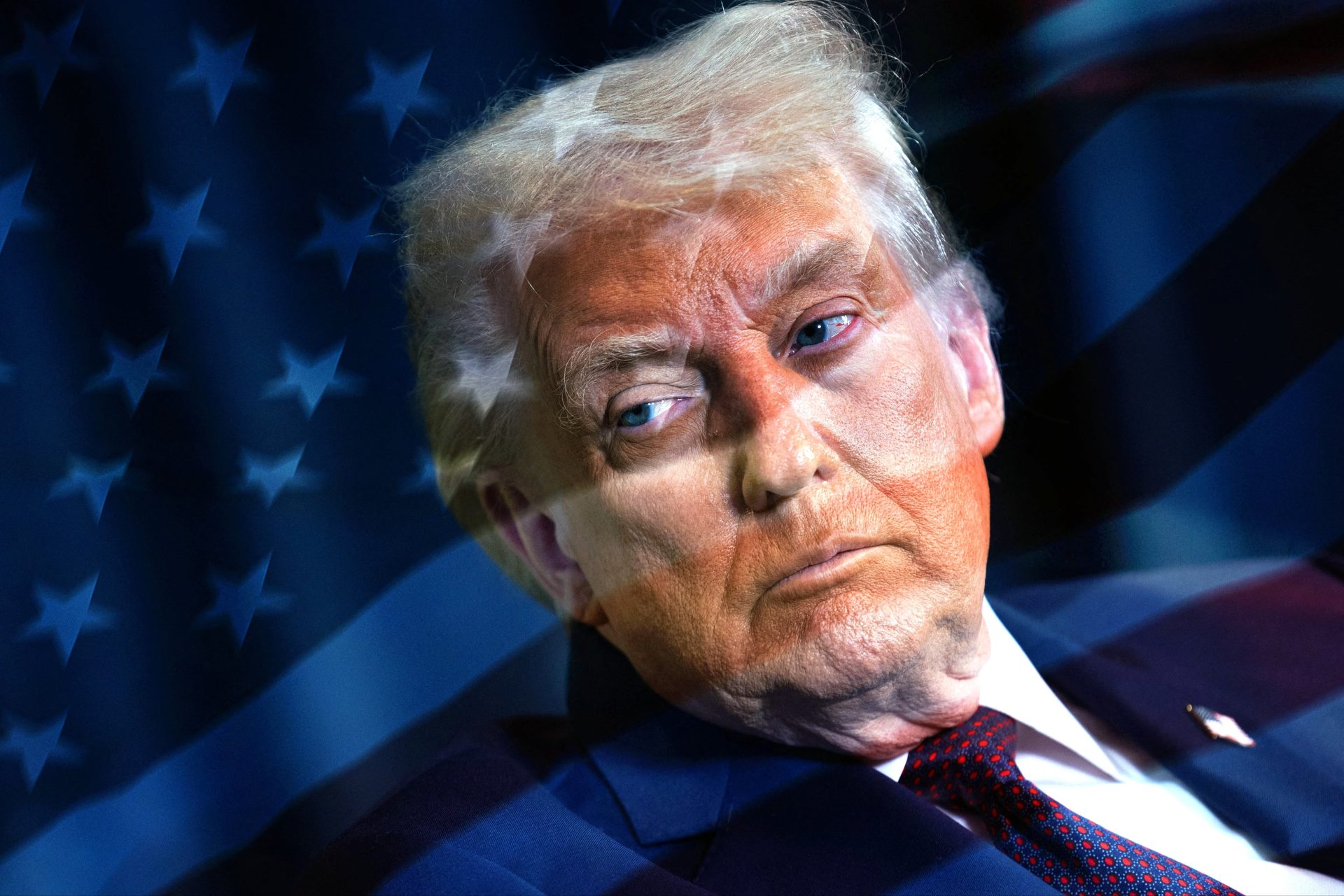
- The Republican electoral defeat was primarily a punitive message against Donald Trump's administration, economic policies, and the high cost of living, rather than a definitive end to the populist phenomenon.
- Political analyst Damon Linker warns that Trump could become a 'wounded,' more reckless, and vindictive leader both domestically and internationally, particularly regarding the war in Iran.
- While constitutional and judicial institutions proved resilient, Democratic gains could evaporate quickly unless the party manages its advantage with political prudence.
The recent midterm elections on November 3 brought about a major political shift that exceeded expectations, as the Democratic Party achieved a landslide victory, flipping historically conservative strongholds such as Kansas, which had not elected a Democrat to the US Senate since 1932. Amid mounting analyses framing this victory as the end of 'Trumpism' and the dawn of a 'new America,' Damon Linker, a political science lecturer at the University of Pennsylvania and senior fellow at the Niskanen Center, offered a contrasting perspective, urging caution and warning against overcelebrating the results.
An Endless Populist Cycle Fueled by the Cost of Living
Linker emphasized that the outcome at the ballot box was essentially a punitive vote against Donald Trump and the Republican Party, driven primarily by living expenses, inflation rates, and the high cost of living—mirroring previous instances where voters punished Democrats for similar reasons. The expert stressed that the United States has not entered a new political era, but rather continues to spin in an 'ongoing populist cycle' fueled by social media and modern technologies, which enable dissatisfied citizens to mobilize against governing elites in every election cycle. Linker warned that the current Democratic wave could recede and reverse course by 2028 or the 2030 midterms if Democrats fail to manage their advantage wisely.
Resilient Institutions and a Wounded, More Impulsive President
Despite the Department of Justice being hollowed out of its independent role and used for political score-settling, Linker noted that American institutions, particularly the judiciary and the electoral system, demonstrated their resilience against attempts at subjugation. Nonetheless, the analyst expressed grave concern regarding Trump’s future behavior following this defeat, describing him as a 'wounded animal' who might act with greater impulsiveness and vindictiveness amid diminished discipline and observable signs of aging and cognitive decline.
Concerns are also escalating over foreign policy, particularly the war in Iran and its impact on global fuel prices and navigation in the Strait of Hormuz. Linker believes Trump's options could range from a sudden withdrawal that abandons the crisis to extreme escalation, which theoretically could extend to threatening the use of a tactical nuclear weapon at specific locations, such as 'Pickaxe Mountain,' though he considers such a scenario unlikely in practice.
Republican Disarray and Calculations for the 2028 Presidential Election
Regarding the Republican Party, Linker anticipated growing internal divisions, with some factions placing the blame for the defeat on the war with Iran and its economic fallout. This outcome places Vice President JD Vance in a complicated position; while he remains the party’s presumptive frontrunner for 2028, he finds himself burdened with defending Trump's embattled legacy and controversial record—a dilemma that Secretary of State Marco Rubio could also face, albeit differently.
Linker concluded his analysis by noting that the prospects of centrist Democratic figures, such as Josh Shapiro in Pennsylvania or Jon Ossoff, would be exceptionally strong against any Republican nominee in the 2028 election, compared to candidates from the populist left wing, such as Michigan's newly elected Senator Abdul El-Sayed, who might face a tougher battle in securing the presidency given the American electorate's traditional center-right lean in nationwide general elections.
Source: L’Express



Comments (0)
You must log in to comment on articles.
Log in Sign upBe the first to comment on this article.