

Biathlon Athletes' Earnings in France: How Military and Police Contracts Ensure a Decent Living for Champions
French biathletes benefit from institutional support, such as contracts with the armed forces and police, alongside international prize money, to build stable careers despite the absence of federation salaries.

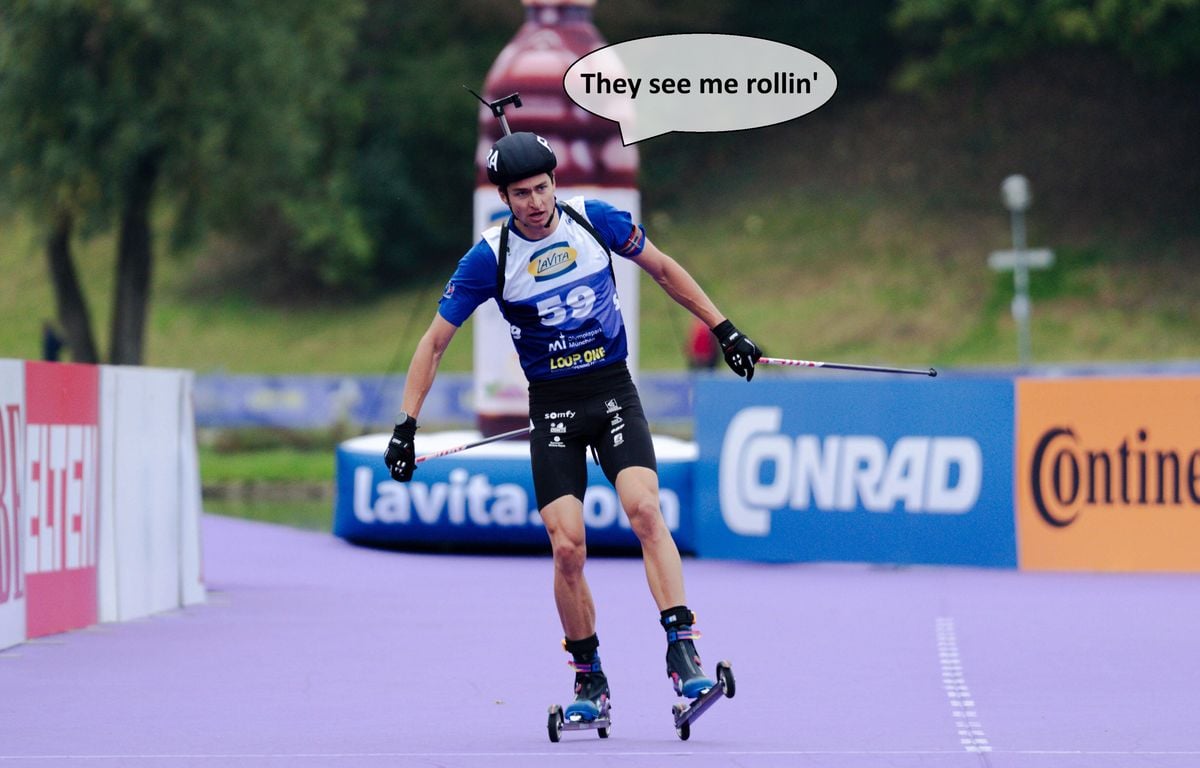
- Official contracts with the army, police, and customs guarantee steady salaries and financial independence for the majority of France's elite athletes.
- World Cup prize money awards €20,000 to the race winner, with equal prize distribution between men and women across the top 30 places.
- The French Ski Federation does not pay salaries to its athletes; instead, competitors contribute €3,000 annually to help cover preparation costs.
At a time when many residents in France face purchasing power constraints as the year-end holidays approach, winter sports champions—specifically in biathlon—experience a distinct financial reality that raises curiosity about how they make a living in the absence of the astronomical wages typical of football.
French athlete Éric Perrot (25), winner of the most recent crystal globe, stands as an example of this financial success. Last season, he accumulated more than €630,000 in prize money from World Cup and Olympic competitions, in addition to personal sponsorship deals, including becoming the first French biathlete to sign with the Austrian company Red Bull. In media statements, he confirmed that he earns a very comfortable living compared to the average salary in France.
The Safety Net: Military, Police, and Customs Contracts
The ability to earn a decent living from this sport is not confined solely to podium finishers; it extends to a broader group thanks to French institutional support. Among the 14 athletes representing France at the season opener in Finland, 10 benefit from special employment schemes with institutions such as the army ("Armée des Champions"), the police, and the customs service.
Former Olympic champion Anaïs Bescond explains that this system provides athletes with a contract and a monthly salary that increases according to military rank, providing financial security and early independence from family support. She emphasized that without this institutional backing, she would not have been able to sustain her professional career.
Prize Money Reforms and the Principle of Equality
Alongside institutional salaries, direct competition prize money plays a crucial role in funding sports seasons. The International Biathlon Union (IBU) awards €20,000 to the winner of a World Cup race, €16,000 for second place, and €13,000 for third place. Graduated payouts are distributed down to 30th place (€4,500 for 10th and €250 for 30th), with complete wage parity between men and women.
Even on the second-tier circuit (the IBU Cup), race winners receive €3,000, with prize money allocated to the top eight finishers. This enables athletes like Gilonne Guigonnat (27) to fund their seasons and cover annual expenses solely through their results, despite not holding military or law enforcement contracts.
Absence of Federation Salaries and Equipment Costs
Unlike in other nations such as Norway, French national team members do not receive a monthly salary from the French Ski Federation. Instead, each athlete pays an annual contribution of approximately €3,000 to join the French elite group. Former athlete Antonin Guigonnat, who recently transitioned to a media consultant role at L'Équipe, attributes this policy to high operational costs: preparing a single athlete for the World Cup can reach around €80,000 per season, covering the salaries of technicians and physiotherapists, as well as equipment, ammunition, and ski-waxing supplies.
While wealth margins remain far removed from those of mainstream sports stars, the French biathlon model demonstrates an ability to guarantee a balanced lifestyle and a secure career path for professionals, provided they maintain sporting focus and manage post-retirement career transition requirements.
Source: 20 Minutes
Comments (0)
You must log in to comment on articles.
Log in Sign upBe the first to comment on this article.