

Turkey to Host COP31 Climate Summit Amid Environmental Controversy Over Coal Reliance Despite Solar Boom
Turkey prepares to host the COP31 UN climate conference in Antalya, highlighting a stark paradox between its expanding renewable energy sector and persistent reliance on coal.

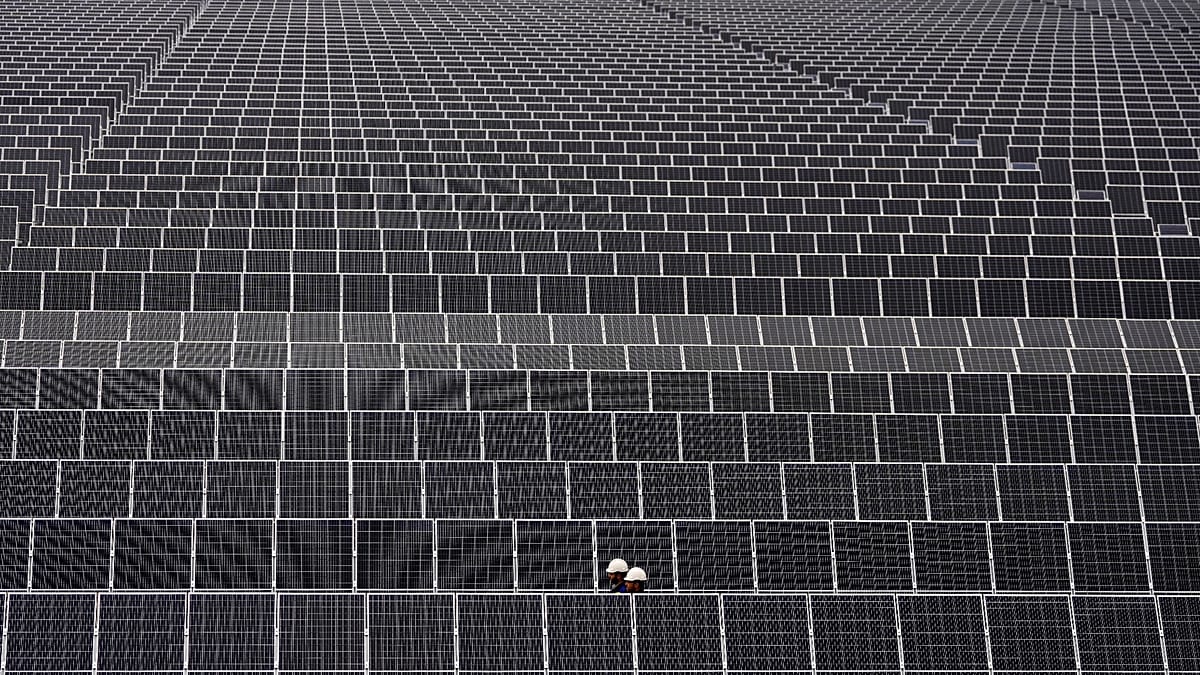
- The Turkish city of Antalya will host COP31 between November 9 and 20 amid a US absence and global energy market tensions.
- Coal still accounts for 33% of electricity generation in Turkey, despite operating one of Europe's largest solar power plants in Konya.
- Climate experts rate Ankara's performance as "critically insufficient" due to the lack of a clear phase-out plan for fossil fuels and challenges from natural disasters.
Turkey is preparing to host the 31st Conference of the Parties to the United Nations Framework Convention on Climate Change (COP31), at a time when activists and observers describe the country's climate policies as "critically insufficient." This international event highlights the stark paradox between its expansion in renewable energy and its continued reliance on polluting conventional energy sources.
The Energy Paradox: Promising Solar and Persistent Dominance of Coal
In central Turkey's Konya province, endless rows of solar panels stretch across the "Kalyon Karapinar YEKA-1" plant, which comprises more than three million solar panels covering an area equivalent to 2,600 football pitches. The facility is among the largest in Europe; since becoming operational in 2023, it has contributed to covering approximately 0.7% of the country's electricity needs, preventing around 1.75 million metric tons of carbon emissions annually, according to its director, Burak Dogru.
However, this achievement is met with a contrasting reality revealed by official figures from the Turkish Ministry of Energy; coal remained the leading source of electricity generation, accounting for 33% last year, while the combined share of solar and wind power reached around 23%. The country's total greenhouse gas emissions reached 584.5 million metric tons of CO2 equivalent for 2024, according to the Turkish Statistical Institute.
Environmental organizations criticize the absence of a clear timeline for the phase-out; Duygu Kutluay, a campaigner at "Beyond Fossil Fuels," affirmed that official Turkish plans lack a roadmap to phase out coal and gas, warning that this contradicts Ankara's stated goal of achieving carbon neutrality by 2053. The country is also building its first nuclear power plant on the Mediterranean coast to reduce its energy dependency.
The Antalya Summit and the Shadows of Geopolitical Tensions
The summit, scheduled to take place in Antalya from November 9 to 20, is expected to bring together tens of thousands of delegates, leaders, and civil society representatives to evaluate climate commitments. This session takes place amid a global energy security crisis and the war in Iran, which contributed to rising oil and gas prices, in addition to an expected boycott by the United States following President Donald Trump's decision to withdraw from climate negotiations.
Turkish Minister of Environment, Urbanization and Climate Change Murat Kurum, who will preside over the conference, stated that the summit will focus on the "Climate Implementation Bridge" initiative to turn past pledges and decisions into practical actions alongside financial and technical support, with a focus on methane reduction, waste management, and electrification, aligned with the "Zero Waste" campaign patronized by Turkish First Lady Emine Erdogan.
Environmental Warnings and Risks in the Mediterranean Basin
Despite these moves, the "Climate Action Tracker" has rated Turkey's climate targets as "critically insufficient" to meet the Paris Agreement's goals of capping global warming at 1.5 degrees Celsius. Human rights groups also point to the ongoing crackdown on environmental activists and projects expanding coal-fired thermal power plants in Çanakkale and the northwestern part of the country.
Turkey's challenges intersect with those facing other Mediterranean basin countries—including southern France and Europe—due to worsening heatwaves, droughts, forest fires, and torrential floods; Istanbul recently experienced its heaviest rainfall in more than 80 years, triggering severe flash floods that killed eight people.
Turkey was selected to host the event following a compromise and bidding race with Australia, which in turn will lead agenda consultations. In response to criticism directed at both coal-reliant nations, UN Climate Change Executive Secretary Simon Stiell defended Antalya's hosting of the summit, stressing that a host country's fossil fuel record does not inevitably determine the conference's success or failure in delivering positive outcomes.
Source: Euronews (فرنسي)

Comments (0)
You must log in to comment on articles.
Log in Sign upBe the first to comment on this article.