

Paris: Police Ban Gatherings Around 15 Schools and Universities Following Wave of Blockades and Over 1,500 Arrests
The Paris Police Prefecture has banned unauthorized gatherings within 100 meters of ten high schools and five university sites following escalating blockades, violent clashes, and more than 1,500 arrests across the capital.

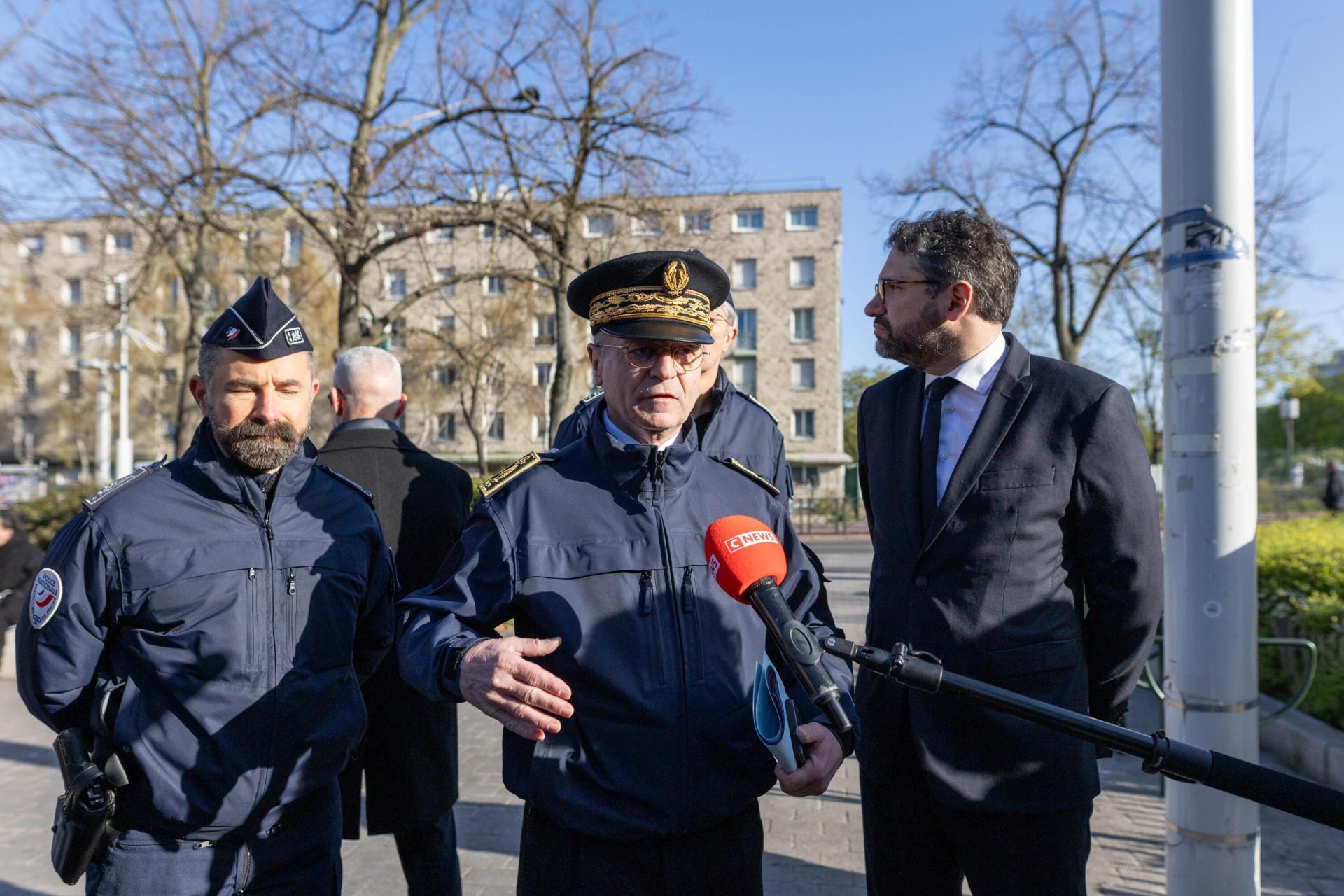
- Unauthorized gatherings and marches banned within 100 meters of 10 high schools and 5 university sites in Paris through Friday.
- Police Prefect Patrice Faure justifies the decision citing escalating violence, property damage, and 1,548 arrests across the capital and its suburbs.
- Student union (UNEF) challenges the decree before the administrative court, calling it an infringement on freedoms of movement and protest.
The Paris Police Prefecture has decided to toughen its stance and security measures in response to growing blockades and disruptions outside educational institutions, issuing an order that prohibits any unauthorized gathering or demonstration within a 100-meter radius around ten high schools and five university sites in the capital, effective from Monday, November 16, through Friday, November 20 inclusive.
Institutions and Districts Covered by the Decision
The ban covers ten major high schools across several Paris arrondissements: Lycée Charlemagne (4th arrondissement), Lavoisier (5th), Fénelon (6th), Montaigne (6th), Chaptal (8th), Racine (8th), Dorian (11th), Pierre-Gilles de Gennes (13th), Carnot (17th), and Balzac (17th).
The restriction also extends to five higher education locations: the Faculty of Science and Engineering at Sorbonne University (5th arrondissement), the Science Campus of Université Paris Cité (7th), the René Cassin and Lourcine centers of Panthéon-Sorbonne University (13th), and the Panthéon-Assas University annex on Rue de Vaugirard (15th).
Acts of Violence and 1,548 Arrests
In justifying this measure, Paris Police Prefect Patrice Faure pointed to recurrent disruptions and blockades at the entrances and surroundings of several high schools and higher education establishments in Paris and its inner suburbs, occurring as part of a social movement he described as increasingly widespread and persistently violent.
The police chief explained that these incidents have resulted in severe damage to public property, fires, violence directed at educational staff, and confrontations with security forces, noting that 1,548 arrests have been recorded across the Paris urban area since the protest movement began.
Faure added that while these disruptions are largely driven by a "minority of students," they deprive "other students of their freedom of movement and their fundamental right to attend classes." He noted that they have also stirred frustration among parents wanting an end to the obstructions, leading to friction between families and protesting students. The intervention follows requests from the right-leaning mayors of eight Paris arrondissements (5th, 6th, 7th, 8th, 9th, 15th, 16th, and 17th) calling on the education authority and the prefecture to secure high school entrances and exits.
Legal Challenge and Union Criticism
The major student union (UNEF) moved swiftly to condemn the police prefecture's decision, announcing an urgent appeal before the administrative court to seek its immediate suspension. In a statement, the union stressed that "the decree provides no clear definition of what constitutes a gathering, nor the minimum number of people comprising it, nor the timing at which it becomes prohibited."
The union argued that the lack of clear criteria leaves enforcement entirely to the discretion of police officers on the ground, "opening the door to arbitrary searches, identity checks, mass arrests, and fines." UNEF characterized the measure as a "clear infringement on freedom of movement and the rights to assemble and protest," demanding the immediate annulment of the order and an end to the militarization of areas surrounding educational institutions.
Source: Le Figaro

Comments (0)
You must log in to comment on articles.
Log in Sign upBe the first to comment on this article.