

One-Euro Houses in France: Where to Find Them, Eligibility Rules, and the True Costs of Buying
Following similar initiatives across Southern Europe, French municipalities are offering homes for just one euro to counter rural depopulation, though prospective buyers must navigate strict residency terms and substantial renovation costs.


- One-euro house schemes are concentrated in rural and remote departments of central France aimed at revitalizing depopulating communities.
- The initiatives do not require French citizenship, but buyers must commit to permanent primary residency and navigate complex legal contracts.
- While the initial purchase price is nominal, significant financial resources are required for comprehensive renovations and compliance with building and sanitation standards.
Following the widespread popularity of schemes selling homes for “one euro” in Italy and Spain to encourage settlement in deserted villages and restore aging buildings, France is witnessing similar initiatives to combat rural depopulation—a trend demographers expect to accelerate in the coming years.
To curb this decline, several French local authorities have taken steps to attract new residents, including offering reduced commercial rents, building plots priced at just 5 euros per 1,000 square meters, and listing homes for sale for a single euro.
Where Are These Schemes Located in France?
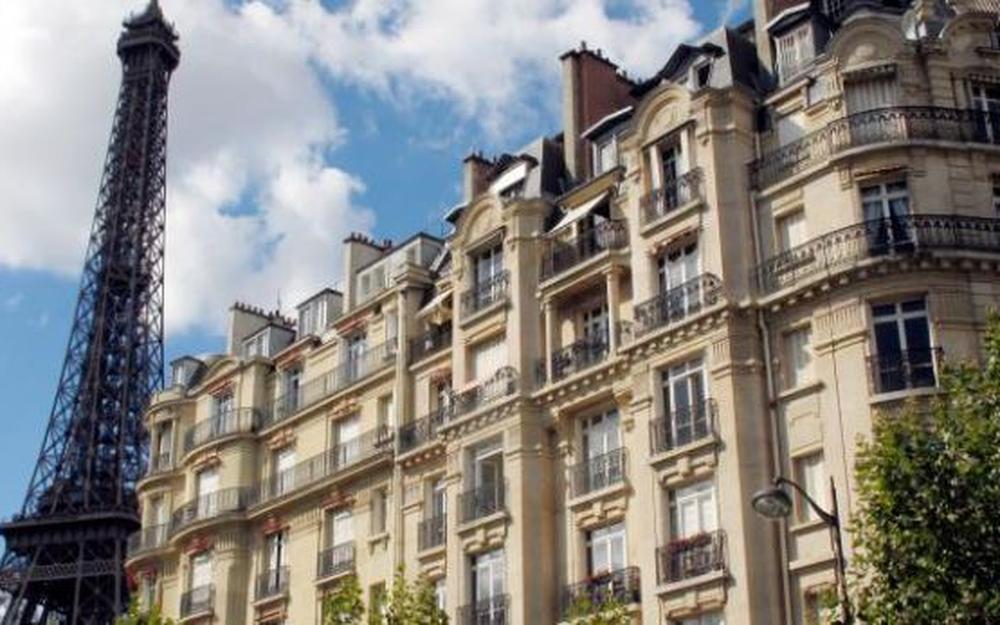
These opportunities are strictly limited to rural and remote areas, with none available in major cities such as Paris, the French Alps, or the French Riviera. Most are concentrated in sparsely populated departments across central France, such as Cantal, Creuse, Corrèze, and Lozère.
Recent schemes have also emerged outside this core area, including in the commune of Ambert, situated in the mountainous Puy-de-Dôme department in central-eastern France. In the northern region of Hauts-de-France, several municipalities offered a cash grant of 5,000 euros to anyone purchasing a home locally. Meanwhile, in the village of Parlan in Cantal, the mayor announced plots of land for 5 euros per 1,000 square meters for buyers willing to build a home and reside in the village for at least 10 years.
These regions are characterized by their distance from major urban centers, requiring personal vehicle ownership and the ability to adapt to rural isolation, particularly during the winter months.
Who Is Eligible and What Are the Legal Restrictions?
These properties are usually offered directly by local authorities, or municipalities provide financial subsidies to buyers purchasing from private owners. Because these projects rely on public funds, they come with clear conditions:
The initiatives typically target first-time buyers and require purchasers to sign a formal commitment to reside in the property for a specified period, strictly maintaining it as their primary, year-round residence. This condition excludes the use of these homes as holiday homes or tourist rentals.
French citizenship is not required to take advantage of these offers. However, the complex legal nature of the contracts requires a good proficiency in the French language to navigate administrative procedures and formal agreements.
Is the Cost Truly Just One Euro?
Although the nominal purchase price is indeed one euro—which also reduces notarial fees (Notaire), as they are calculated as a percentage of the purchase price—these properties are typically handed over in a dilapidated or entirely derelict state, requiring a substantial financial budget for comprehensive repairs and renovation.
French initiatives formalize this process by requiring beneficiaries to sign agreements committing to specific renovation works within a defined schedule. This outlines the scale of the financial commitment in advance, making these programs unsuitable for anyone lacking sufficient funds for renovation.
Key Risks to Consider Before Buying
Such properties are sold "as seen," making it exceedingly difficult to pull out of the deal if structural defects emerge later. While comprehensive structural surveys are not standard practice in France, they are strongly recommended in these cases to detect issues such as subsidence or foundation cracks.
Buyers must also verify that electrical installations comply with modern safety standards and inspect individual sanitation systems (fosse septique), which are common in rural France. Older septic systems that fail to comply with 2012 environmental standards may require complete replacement, costing up to roughly 10,000 euros. Additionally, buyers should consult the local town hall (Mairie) to check whether the property is subject to restrictive building regulations, such as the Mountain Law (Loi Montagne) or conservation area rules, which can drive up construction costs.
How Can You Find These Properties?
There is no centralized national portal listing these homes, and they rarely receive coverage in the national press. The primary method for discovering them remains regularly checking the official websites and social media accounts of French municipalities, along with monitoring local regional newspapers in targeted areas.
Source: The Local
Comments (0)
You must log in to comment on articles.
Log in Sign upBe the first to comment on this article.