

Medical Controversy in France: New Health Recommendations to Combat Heart Disease and Curb Medication Overuse
France's National Authority for Health (HAS) has released new cardiovascular prevention guidelines to curb polypharmacy, triggering scientific debate over cholesterol targets and European recommendations.

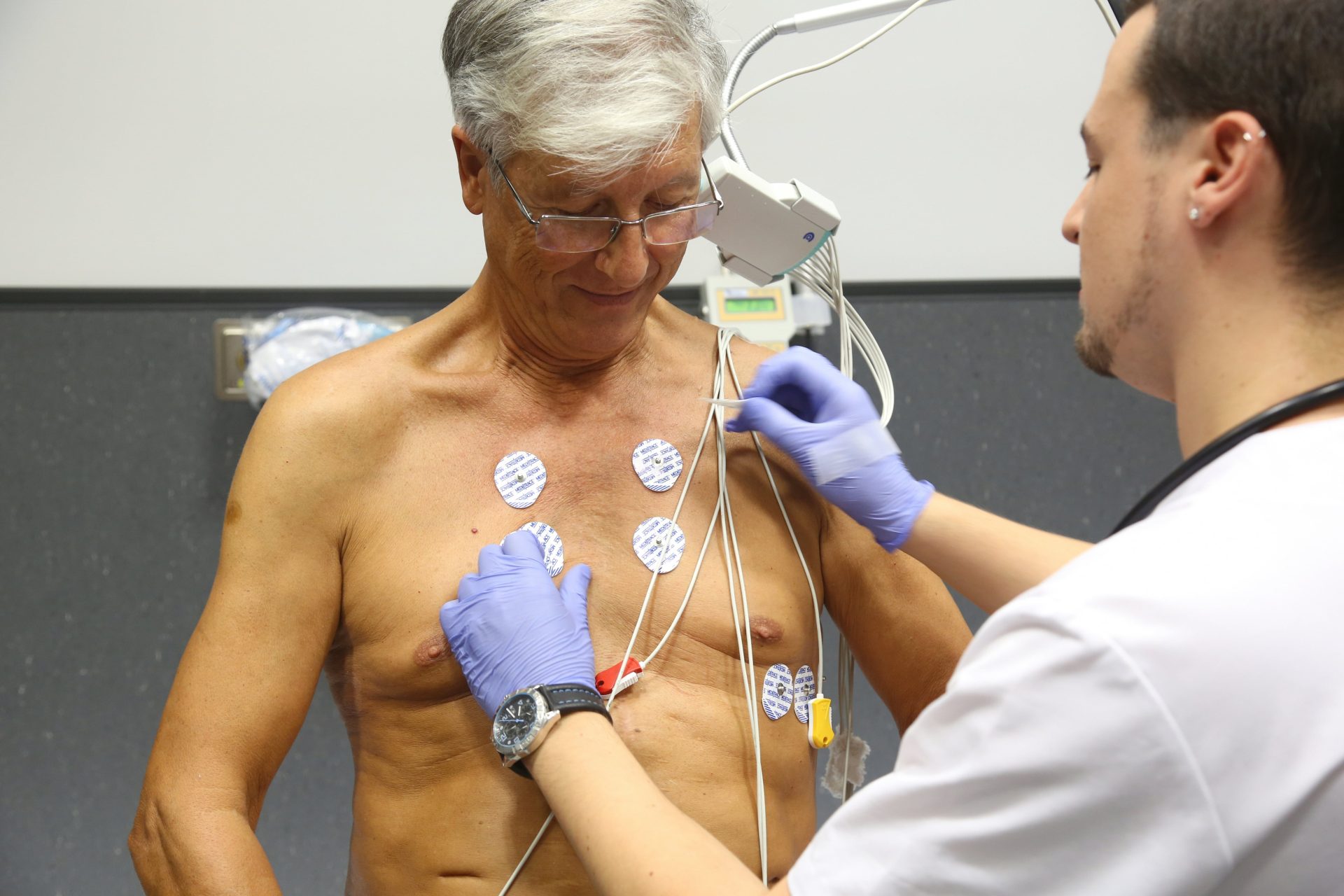
- Cardiovascular diseases claim approximately 140,000 lives annually and represent the leading cause of death among women in France.
- The French National Authority for Health (HAS) releases new guidelines after an absence since 2018 caused by past conflict-of-interest controversies.
- A sharp divide has emerged between French and European recommendations regarding extremely low cholesterol targets that require multiple prescription drugs.
Cardiovascular diseases, ranging from strokes and myocardial infarctions to circulatory insufficiency, represent a daily health challenge affecting the lives of residents and citizens in France. They cause approximately 140,000 deaths annually and result in more than 1.2 million hospital admissions. These conditions rank as the second leading cause of death after cancer and the primary cause of mortality among women nationwide.
Despite the gravity of these figures, France has lacked clear official guidelines for preventing these diseases since 2018, following the withdrawal of the previous guide due to widespread controversy over conflicts of interest and financial ties between several authors and pharmaceutical companies. However, the French National Authority for Health (HAS)—the independent official body tasked with defining medical practices—ended this hiatus by publishing its new recommendations. These guidelines were drafted after a rigorous review of around 230 clinical trials and a stringent examination of expert transparency to prevent repeating past errors.
A Scientific Dispute Over Cholesterol and Polypharmacy
While there is broad consensus on the importance of a healthy lifestyle—such as smoking cessation, regular physical activity, adopting a Mediterranean diet, and reducing salt intake—the new French recommendations clearly diverge from the guidelines of the European Society of Cardiology (ESC), which most specialists in France follow. The core of the disagreement centers on the threshold to which physicians should lower 'bad cholesterol' (LDL).
While the European Society advocates for extremely low numerical targets that require adding sequential medications alongside statins (such as ezetimibe and PCSK9 inhibitors), the head of the HAS working group, Professor Clarisse Dibao-Dina, emphasized that scientific evidence does not demonstrate that forcing a patient to reach a low target at all costs reduces mortality. She also warned of drug side effects and the risk of fostering a false sense of security that might lead patients to neglect nutrition and physical exercise.
Suspicions of Conflicts of Interest and Medical Independence
This discrepancy raises critical questions regarding the trajectory of healthcare expenditure and patient safety in France. Some representatives of cardiologists, such as Professor Gérard Helft and Dr. Vincent Pradeau, expressed their commitment to the European approach, questioning the HAS guide's ability to reshape clinical practice in the field.
Conversely, the issue of the independence of European guidelines has returned to the forefront, especially after a recent scandal revealed that a former president of the European Society of Cardiology, Professor Kim Fox, received indirect payments totaling £50 million from a French pharmaceutical firm between 2006 and 2015 while treatment guidelines were being drafted. Organizations representing general practitioners and patients in France are calling for strict adherence to independent scientific evaluation to avoid scientifically unjustified polypharmacy, at a time when medical circles await the implementing decrees of the 'Neuder Law,' which aims to establish a national strategy to combat vascular diseases and enhance early detection programs.
Source: L’Express



Comments (0)
You must log in to comment on articles.
Log in Sign upBe the first to comment on this article.