

Leiden Academic Ranking Competes with Shanghai: French Universities Shine Amid Calls for European Scientific Sovereignty
As Leiden University releases its latest rankings, French institutions achieve prominent positions, while academics advocate for open data and European scientific sovereignty to counter commercial ranking models.


- Université Paris Cité leads French institutions in scientific impact, followed by Sorbonne University and Université Paris-Saclay.
- French academics criticize the commercial monopoly of the Shanghai ranking and its paid databases, calling for greater European scientific sovereignty.
- The Dutch ranking focuses on transparency in scientific research but overlooks vital criteria such as teaching quality and graduate employment rates.
At a time when the eyes of academic circles and students—including international students and members of resident communities in France—turn toward the famous Shanghai ranking every summer, an alternative ranking is gaining increasing attention from experts: the Dutch Leiden University ranking, whose latest edition was published on November 4 by the Centre for Science and Technology Studies (CWTS).
This ranking is distinguished by adopting an entirely different approach from its Chinese counterpart; instead of merging diverse indicators to grant a single overall score, Dutch experts provide multiple, detailed rankings categorized by subject. Ludo Waltman, scientific director of the center, explains that presenting performance indicators separately allows researchers and interested stakeholders to focus on the aspects most important to them.
A Strong and Distinguished Presence for French Universities
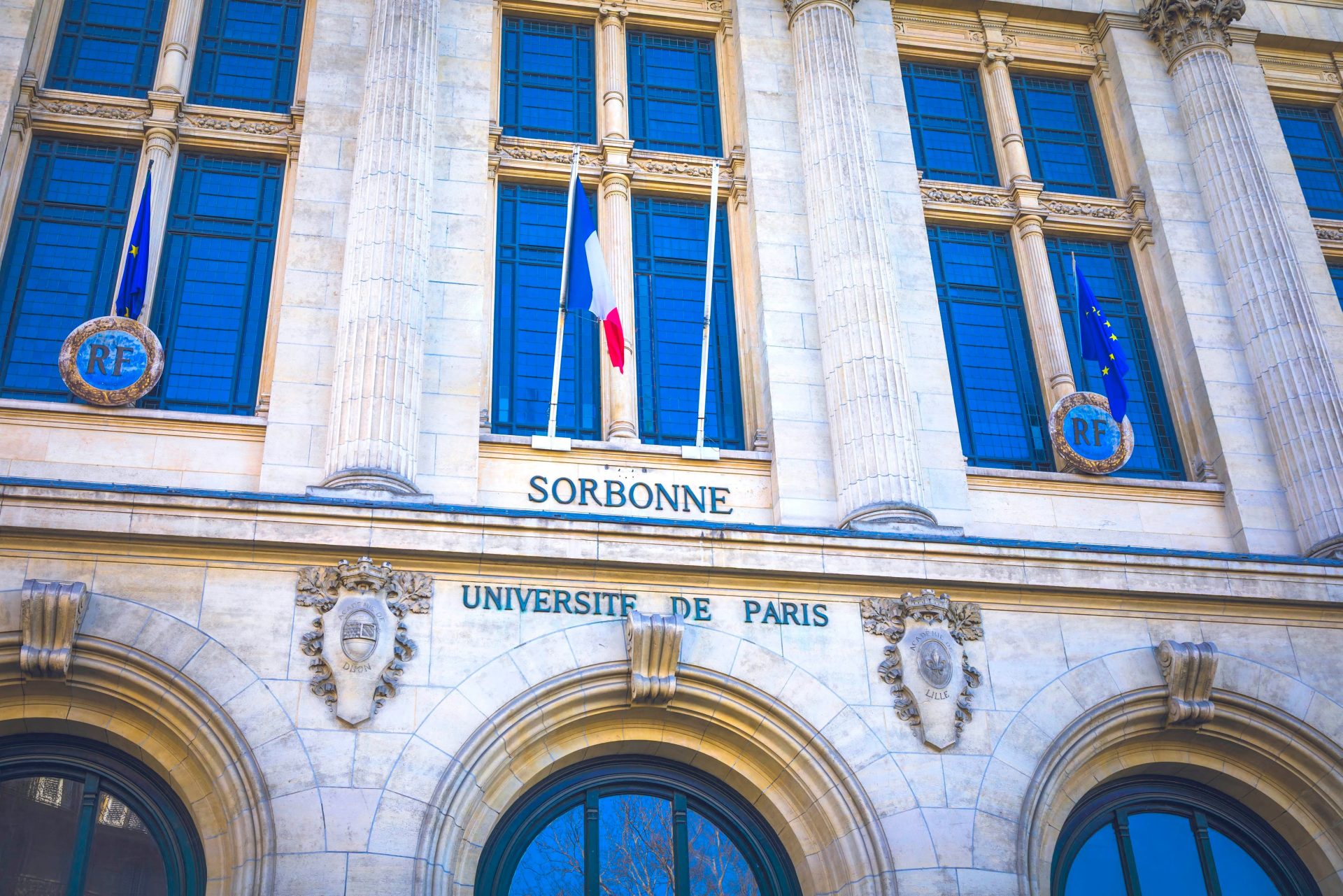
At the French national level, the ranking demonstrated a clear distinction for several major universities that attract thousands of students annually. Université Paris Cité secured first place in France in the scientific impact of its research and publications, followed directly by Sorbonne University and then Université Paris-Saclay. Paris-Saclay also achieved the national lead in international collaboration and external partnerships, as well as in making its research accessible to the wider public through open access.
Internationally, Harvard University in the United States remains at the forefront, ranking second in external collaboration and first across other indicators, alongside a strong performance by major Chinese universities.
Transparency Versus Commercial Interests
Nathalie Drach-Temam, President of Sorbonne University, emphasizes that the major advantage of the Leiden ranking lies in being produced by a research center affiliated with a public university rather than a private commercial company, in contrast to the ShanghaiRanking Consultancy agency, which simultaneously offers paid consulting services to the universities it evaluates, raising concerns over conflicts of interest.
The fundamental difference is also evident in the nature of the data; the "Open Edition" of the Leiden ranking relies on the free, open database "OpenAlex," whereas the Shanghai ranking and its competitors, such as QS and THE (Times Higher Education), rely on closed, paywalled databases like Web of Science. Universities pay exorbitant sums to access their own research data; Hélène Boulanger, President of the University of Lorraine, revealed that her institution's annual subscription costs €50,000, describing paying to access internally produced and funded research as "illogical"—a factor that prompted her university to boycott closed models and rely on open platforms.
A Call for European Scientific Sovereignty Reflecting Societal Priorities
These shifts align with the Coalition for Advancing Research Assessment (CoARA), established in 2022, which includes roughly 830 European and international scientific organizations. Hélène Boulanger believes the issue extends beyond mere figures, as it directly ties to Europe's scientific sovereignty in the face of the growing dominance of Chinese and American laboratories, urging Europe to formulate its own vision of scientific research to steer it toward building a fairer and more sustainable society.
Limitations of the Ranking and What It Misses in the Student Experience
Despite the strengths and transparency of the Leiden ranking, it faces some methodological limitations that students and parents should note. Laurence Chagnon, bibliometrics documentation engineer at PSL University, points out that the ranking focuses primarily on research output and scientific papers, overlooking other essential components of student life, such as teaching quality and professional integration rates for graduates in the French and international job markets.
Furthermore, the complexity of the indicators and the multiplicity of tables make it difficult to read for families seeking simple, direct assessments to choose the right study destination for their children in France.
Source: L’Express


Comments (0)
You must log in to comment on articles.
Log in Sign upBe the first to comment on this article.