

Israel: Eisenkot Calls on Netanyahu for Immediate Negotiations Amid Rotation Government Proposals
Israeli Prime Minister-designate Gadi Eisenkot has called on Benjamin Netanyahu to start immediate negotiations following a proposal for a rotating government, ahead of a scheduled meeting in Herzliya.

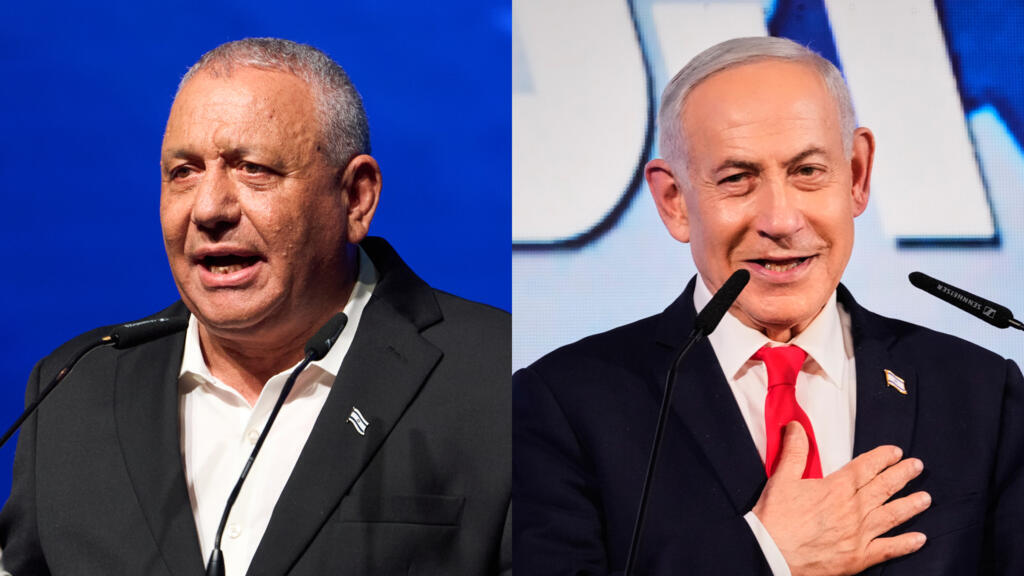
- Eisenkot calls on Netanyahu to launch immediate talks in Herzliya to assess the seriousness of the unity government proposal.
- Netanyahu proposes that Eisenkot serve as prime minister first in a rotation deal to confront national security challenges.
- Opposition and Arab parties are divided between rejecting Netanyahu's offer and exploring options to support the emerging coalition.
Media reports indicated that centrist politician tasked with forming the Israeli government, Gadi Eisenkot, called on outgoing Prime Minister Benjamin Netanyahu on Saturday, November 28, to commence immediate negotiations. This call came after Netanyahu proposed that Eisenkot take office first if an agreement is reached to form a rotation government, while the Likud party announced an official meeting between the two sides on Sunday morning at a hotel in the coastal city of Herzliya.
Constitutional Deadline and Complex Coalition Options
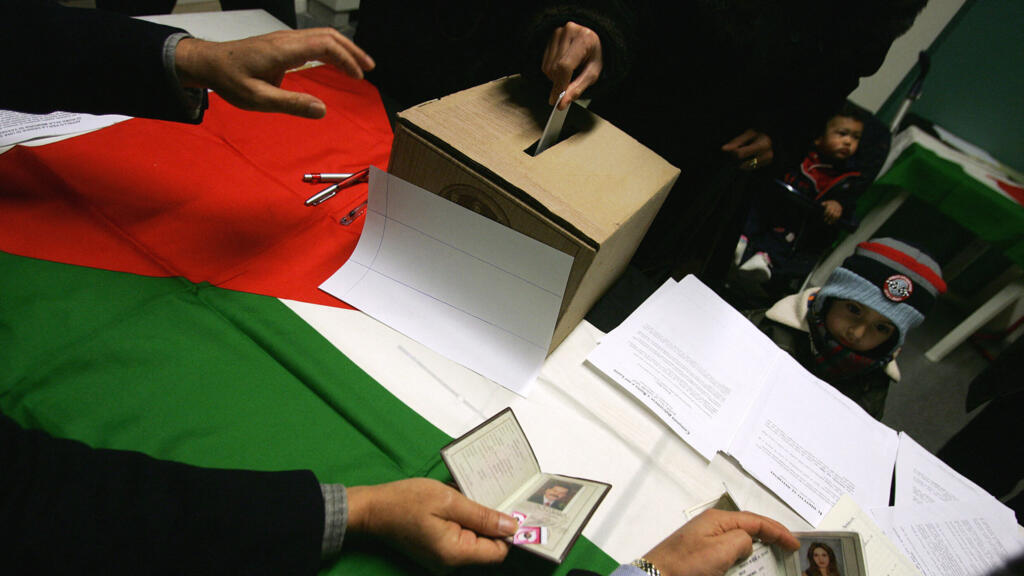
These developments come at a time when Eisenkot is required to present his government lineup before the December 6 deadline expires, following legislative elections held on October 27. To achieve the 61-seat absolute majority out of 120 in the Knesset, his bloc faces multiple options and paths: coordinating with ultra-Orthodox (Haredi) parties, engaging with Arab political factions, or moving toward a national unity government pairing him with Netanyahu's Likud party.
For his part, Benjamin Netanyahu stated that confronting existential challenges requires setting aside differences and accepting that Eisenkot assume the premiership first, deeming the formation of such a government a necessary step to safeguard national security. In contrast, observers view this approach as potentially providing Netanyahu with political maneuvering room amid his trial on corruption charges and his efforts to avert the establishment of an independent commission of inquiry into past security failures.
Mixed Reactions and Positions of Arab Forces and the Opposition
Netanyahu's initiative elicited broad reactions; Yair Lapid, head of the opposition in the previous term, described the offer as a maneuver and an attempt at political trickery. For his part, Yousef Jabareen, head of the Joint List, stated that the popular will demands the departure of Netanyahu and his government, affirming support for the formation of an Eisenkot-led government without directly participating in it.
In a related context, Israeli media addressed the stance of Mansour Abbas, leader of the United Arab List (Ra'am), regarding the possibility of joining the prospective governing coalition. Abbas explained in a television interview that adopting sharp political positions could have wide-ranging repercussions within the Arab community in Israel and on relations with Palestinians in Gaza and the occupied West Bank, while some of Eisenkot's allies express reservations about relying entirely on the support of Arab-majority factions despite the strong results they achieved in the elections.
Source: RFI


Comments (0)
You must log in to comment on articles.
Log in Sign upBe the first to comment on this article.