

Iran Steps Up Diplomatic Push to Curb Washington's Influence in the Gulf Following Midterm Elections
Uncertainty looms over the Middle East regarding the resumption of military clashes following the US midterm elections, as Tehran accelerates its diplomatic outreach to Gulf nations and Moscow while Washington reiterates threats and issues a major bounty.

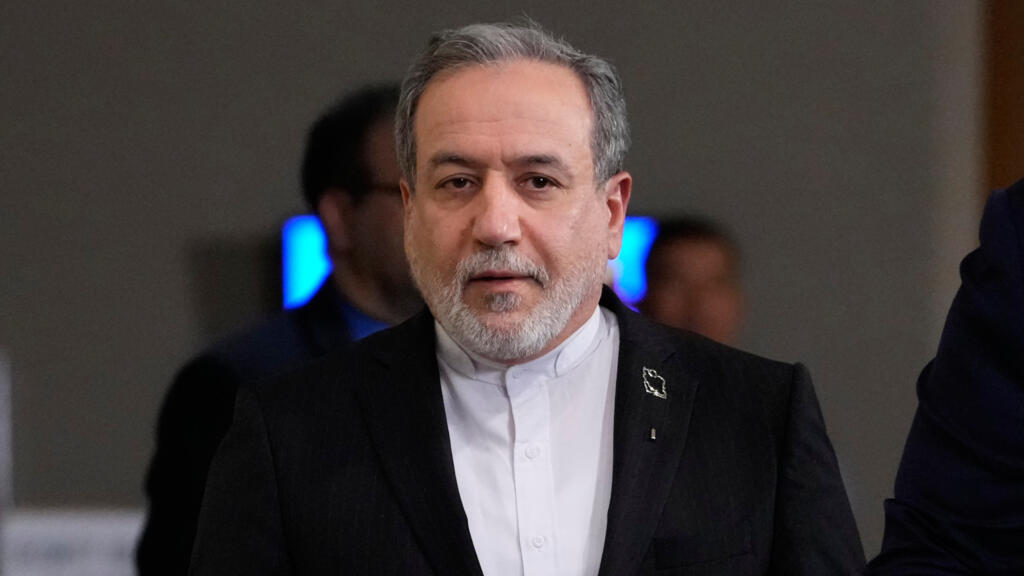
- Tehran stipulates Washington's commitment to seven conditions before resuming negotiations, while intensifying engagement with Gulf states and Moscow.
- Iran grants exemptions from navigation restrictions in the Strait of Hormuz to several countries, including Iraq, Qatar, India, and China.
- US Central Command offers up to $20 million for actionable information regarding Iranian nuclear facilities and personnel.
A state of uncertainty prevails across the Middle East regarding the potential resumption of military confrontations following the conclusion of the US midterm elections. In this context, US President Donald Trump reiterated his threats on Thursday, November 5, asserting that the United States is capable of destroying what remains of Iran, while Tehran stepped up its diplomatic maneuvers in the wake of the election results.
Iranian Conditions and Outreach to Neighboring States
Senior officials in the Iranian establishment have stressed in recent days that there will be no return to the negotiating table with the American side unless Washington tangibly commits to the seven conditions laid out by Tehran. In parallel, Tehran pressed ahead with its multilateral diplomatic efforts; Iranian Foreign Minister Abbas Araghchi held telephone discussions with several Gulf leaders over the past 48 hours, delivering a clear message calling for a choice between collective insecurity or achieving shared regional security.
Through this rapprochement, Tehran aims to minimize US influence in the region to the greatest extent possible, capitalizing on what it perceives as a decline in American military support for some of its allies. In a practical move, Iranian authorities granted exemptions from navigation restrictions in the Strait of Hormuz to Iraq and Qatar, in addition to India and China.
Rapprochement with Moscow and a Major US Bounty
On the eastern front, senior Iranian security official Mohsen Rezaee met with Russian President Vladimir Putin in Moscow on November 5, where discussions focused on gas pipeline projects linking Russia and Iran.
Conversely, the US military announced on Friday, November 6, through the United States Central Command (CENTCOM), a monetary reward of up to $20 million, along with the potential provision of "relocation," for anyone providing critical information regarding Iran's nuclear program, including its facilities, equipment, and personnel.
These developments come amid persistent assurances from Donald Trump—since the outbreak of war in Iran following US and Israeli strikes in February—that Tehran will never be permitted to acquire a nuclear weapon. On November 1, Trump stated that Iran's nuclear capabilities had been neutralized, noting that one or two sites remain under monitoring, among them Mount Kolang, which US intelligence agencies suspect houses an underground nuclear complex.
Source: RFI



Comments (0)
You must log in to comment on articles.
Log in Sign upBe the first to comment on this article.