

Investigations into Racism and Anti-Muslim Sentiment at French Police Academy Spark Crisis in Recruitment Mechanisms
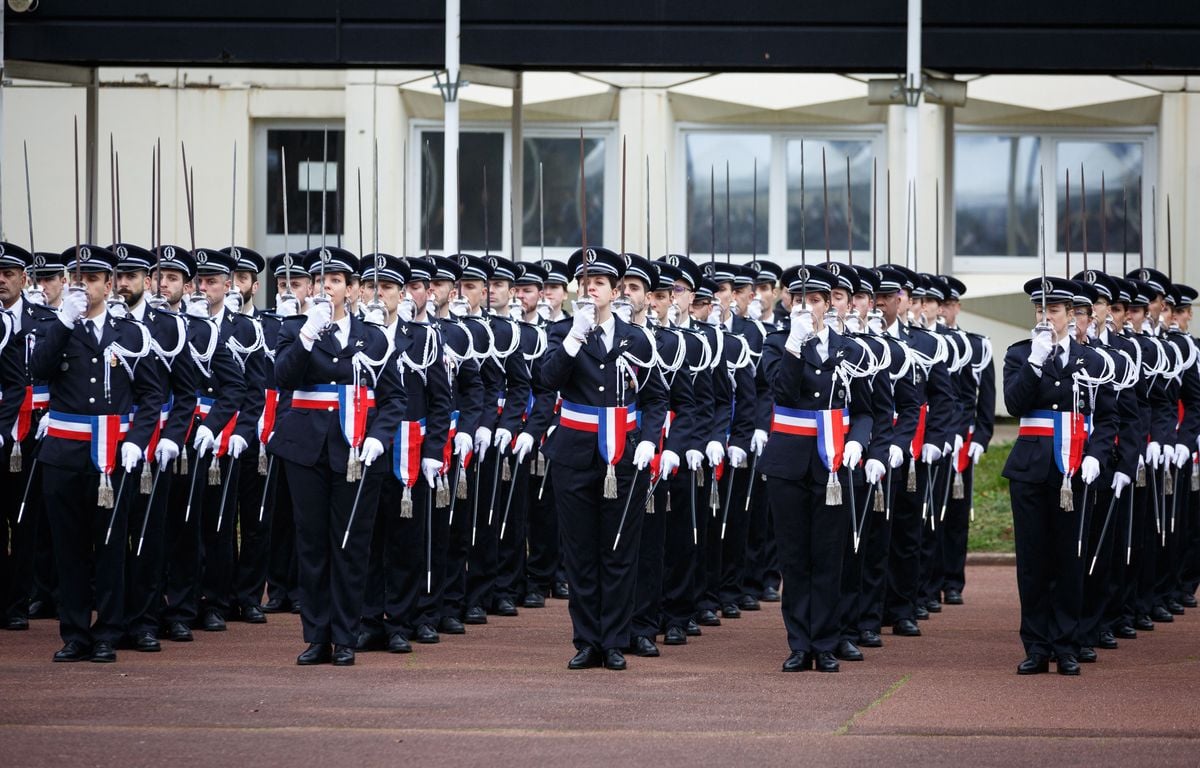
Leaks revealing Nazi salutes, anti-Muslim drawings, and racist insults among trainee officers at France's National Superior Police Academy (ENSP) have triggered a judicial probe and reignited controversy surrounding recruitment and vetting mechanisms.

- The public prosecutor's office launched an investigation tasked to the police watchdog (IGPN), encompassing accusations of incitement to hatred, anti-Muslim drawings, and sexual assault.
- The Interior Minister and police unions expressed outrage over the conduct of future cadres expected to lead thousands of field officers and model respect for the law.
- Sociological research and calls urge a review of recruitment standards, proposing that candidates undergo screening to detect discriminatory tendencies, akin to select European models.
Leaks revealed by the newspaper Le Parisien have sparked widespread outrage within security and human rights circles in France, following the exposure of private conversations on WhatsApp and Instagram among trainees at the National Superior Police Academy (ENSP) located in Cannes-Écluse, Seine-et-Marne. The circulated images featured a doll performing a Nazi salute, offensive anti-Muslim drawings, explicit racist insults, and the sharing of digital copies of the banned book Mein Kampf.
Following corroborating reports, the public prosecutor's office in Fontainebleau opened a preliminary investigation on November 16, tasking the General Inspectorate of the National Police (IGPN) with the inquiry. The investigation encompasses serious allegations concerning incitement to hatred or discrimination, non-public insults, moral harassment, the possession and dissemination of child pornography, and sexual assault, while a precautionary suspension was issued against one trainee officer.
Fears of Replicating Discrimination Within Police Leadership
This affair carries particular sensitivity given that the Cannes-Écluse academy trains future leaders holding ranks of lieutenant, captain, and commander—those directly tasked with directing personnel, managing field operations, and interacting with various segments of society. In this context, Minister of the Interior Laurent Nuñez condemned these acts and attitudes in the strongest terms, stressing that they are "unacceptable and have absolutely no place within an institution responsible for preparing and qualifying future officers."
For his part, Christophe Miette, national secretary of the SCSI union, emphasized the necessity for officers to be exemplary, stating that the Nazi salute evokes dark eras and cannot be tolerated among those who will command hundreds of personnel. Linda Kebbab, national secretary of the Un1té union, shared the same concerns, warning that racist inclinations among security officials directly impact how they manage subordinates and lead to overlooking discriminatory transgressions, pointing to a noted "decline in general ethical standards during recruitment processes," while maintaining that such practices do not represent the majority.
Recurring Precedents Highlight Depth of the Crisis
The Cannes-Écluse incident is not the first of its kind among trainees; in late 2023, a trainee at the Oissel academy was caught with a copy of Mein Kampf shortly before a conference by the International League Against Racism and Anti-Semitism (Licra), two years after an assault case between trainees at the same location. In 2022, three police officers who passed through the Nîmes academy were dismissed due to racist insults directed at two instructors during their training period in 2019. Furthermore, early 2025 witnessed a horrific hit-and-run incident caused by a trainee officer from the Roubaix-Hem academy, who struck five people while driving under the influence outside of duty hours.
Calls to Review Selection and Oversight Mechanisms
Analyzing these developments, Sebastian Roché, research director at the National Center for Scientific Research (CNRS), believes that the flaw lies in the pre-admission phase to police academies, pointing to the absence of a rigorous system to screen candidates based on their commitment to fundamental ethical principles, such as equality before the law, akin to tests adopted in some German states to detect authoritarian and discriminatory inclinations.
Experts emphasize the difficulty of monitoring or dismissing personnel once they complete training and achieve permanent civil service status, rendering psychological evaluations and rigorous preliminary background checks an urgent necessity, amid criticism over authorities' reluctance to acknowledge systemic issues related to racism within the police apparatus.
Source: 20 Minutes


Comments (0)
You must log in to comment on articles.
Log in Sign upBe the first to comment on this article.