

Intelligence Warning: Accelerating Sabotage in Europe Portends Impending Humanitarian Disaster
A report by the International Institute for Strategic Studies warns that escalating Russian-linked sabotage operations targeting critical European infrastructure could lead to mass-casualty incidents and internal European discord.

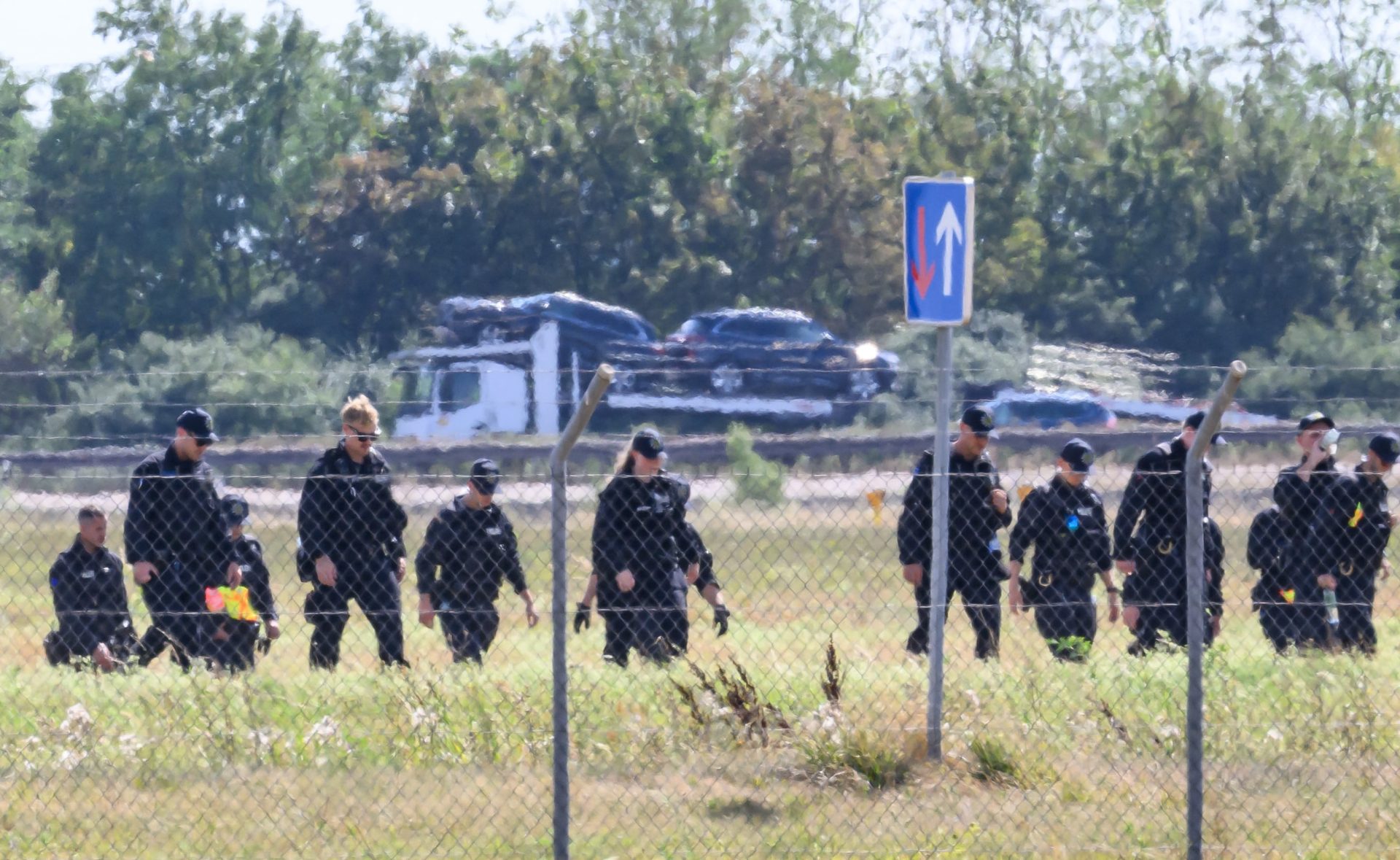
- The International Institute for Strategic Studies (IISS) warns that sabotage is turning into an imminent threat to human lives in Europe.
- Sabotage acts increased by 16%, and attacks using explosives and arson nearly doubled between October 2025 and September 2026.
- Direct targeting of railway networks, airports, and energy hubs, with Poland and Germany at the forefront of affected countries.
Can Europe avert the worst-case scenario for much longer? With the accelerating pace of destabilization operations attributed to Russia within the continent, the likelihood of an incident with devastating humanitarian consequences is mounting, according to a recent report issued by the International Institute for Strategic Studies (IISS) and published on Thursday, November 26.
According to the study, details of which were reported by CNN, the risks are visibly escalating due to the very nature of these operations, which have grown more complex and sophisticated. Recent months have witnessed a marked improvement in the proficiency of proxies and intermediaries relied upon by Moscow to target vital infrastructure in Europe, such as railway lines, airports, and energy grids. The report points to the use of 'more sophisticated methods, including improvised explosive devices fitted with timers and detonators.'
Complex Recruitment Networks and Advanced Methods
Russia relies on a highly diverse network of proxies, enabling Moscow to capitalize on competition among these groups and the disruptive innovations each faction strives to develop to prove its worth. The tenuous direct links between cells help ensure that others remain unaffected should one be uncovered or dismantled. The report emphasized that while arrests of operatives inflict losses on proxies, they have not yet directly impacted the Russian intelligence agencies running them.
Although the report affirms that these networks are no longer limited to inexperienced recruits assigned to minor sabotage tasks, it clarifies, on the other hand, that the vast majority of perpetrators remain low-skilled individuals primarily scouted and recruited online by Russian intelligence agencies.
Escalating Threat and Infrastructure Targeting
The report explained that acts of sabotage are unfolding in successive waves across the continent; between October 2025 and September 2026, these activities increased by 16%, while the use of arson and explosive materials nearly doubled. According to the IISS, this trend confirms that targeting is no longer confined to low-level physical damage or intelligence gathering, but has come to employ tools capable of inflicting widespread destruction, with more than half of recently recorded incidents concentrated against industrial facilities and transport sectors that directly affect civilian mobility and daily life.
Germany and Poland are among the countries most affected by these activities, given their pivotal logistical and industrial roles. Twenty-nine Moscow-linked incidents were recorded in Poland alone between October 2025 and September 2026, including an explosion in November 2025 targeting a railway line connecting Warsaw to the Ukrainian border. Although no casualties were reported, Polish Prime Minister Donald Tusk stated at the time that the explosive device was likely planted to derail a train.
Fears of European Divisions
The authors of the report warned that any human tragedy resulting from these practices could trigger calls for retaliation and open the door to sharp disagreements among European governments. While Europe has temporarily succeeded in foiling some plots, it has yet to devise a deterrent measure capable of completely stopping Moscow from carrying them out. With the technical escalation of sabotage tools and their growing difficulty to detect, any security breach could result in a catastrophe that exposes divisions among European capitals and undermines the continent's diplomatic posture.
Source: L’Express



Comments (0)
You must log in to comment on articles.
Log in Sign upBe the first to comment on this article.