

Following Thousands of Layoffs, France's Casino Group Rebrands to 'Plesio' and Reshapes Daily Shopping
France's Casino Group has officially rebranded to 'Plesio,' marking a complete break with the hypermarket model to focus on convenience retail, hybrid services, and ready-to-eat meals following a major financial restructuring.

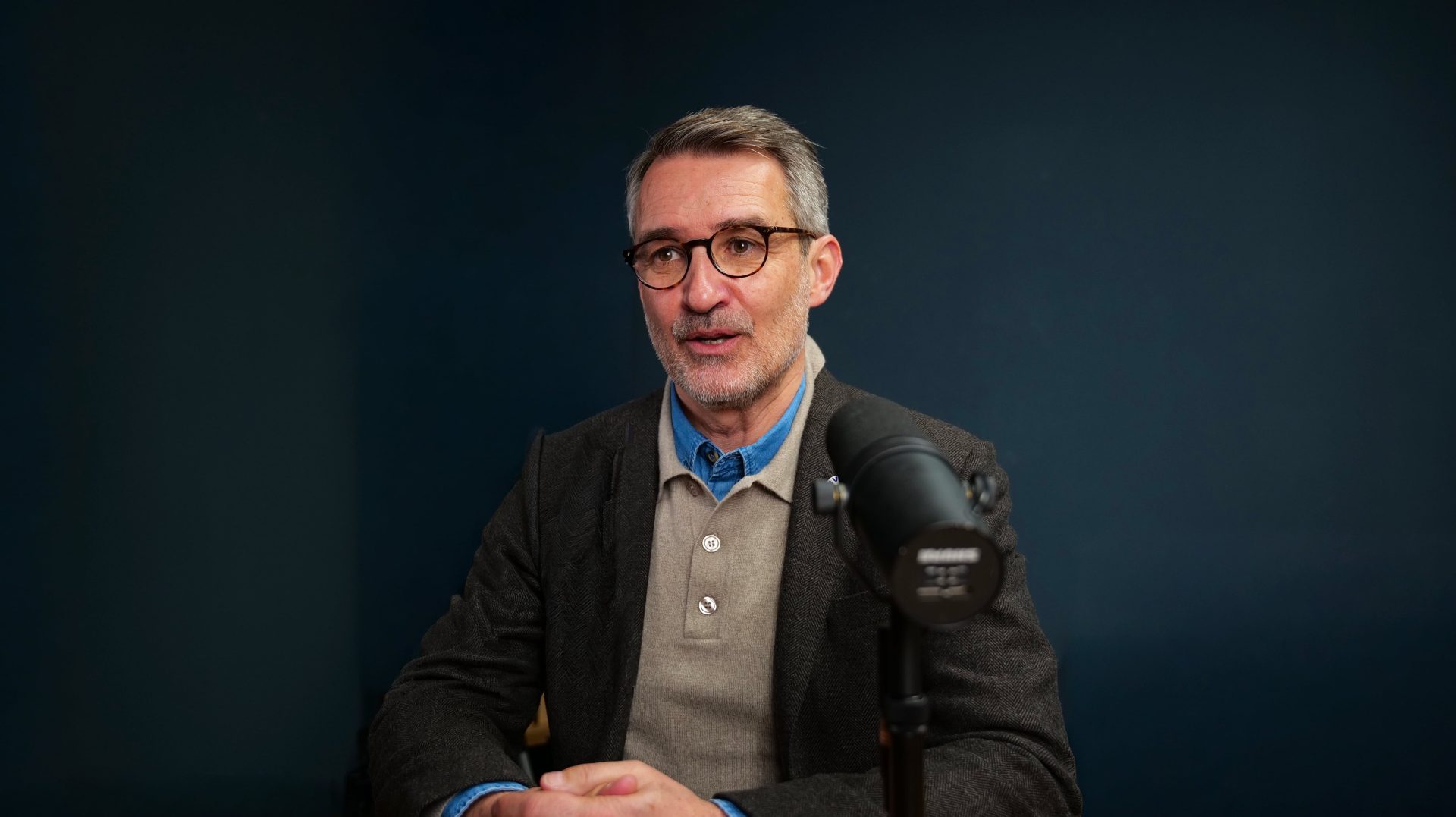
- Casino Group officially rebrands to 'Plesio,' reducing its debt from €1.4 billion to €800 million backed by Daniel Křetínský's investments.
- A definitive exit from the hypermarket sector to focus exclusively on local convenience stores, hybrid everyday services, and ready-to-eat meals.
- Addressing diminished purchasing power by introducing budget-friendly product lines and advocating for VAT cuts on essential food items.
In a pivotal shift impacting the daily lives of millions of residents across France's neighborhoods and city centers, Philippe Palazzi, Chief Executive Officer of Casino Group—which has officially changed its name to "Plesio"—announced a complete break with the hypermarket business model. This move follows a turbulent period of financial distress and investor battles, accompanied by a redundancy plan affecting more than 2,000 employees in France, before the group initiated its restructuring phase under the leadership of billionaire investor Daniel Křetínský.
Farewell to Hypermarkets and a Shift Toward Convenience Retail
Palazzi, who took office in March 2024, explained that the new name "Plesio" is derived from the Greek word "plêsios," meaning "near" or "close." He noted that the group encompasses seven prominent banners on the French high street, including Monoprix, Franprix, Naturalia, Vival, Spar, in addition to the e-commerce platform Cdiscount. He emphasized that the company no longer classifies itself among massive mass-market retailers such as Auchan or Carrefour; rather, it is now exclusively focused on neighborhood stores, city centers, and rural villages where customers shop on foot without needing a car.
On the financial front, Palazzi affirmed that the group has emerged from its bottleneck thanks to an agreement with banks and creditors. This involved an injection of approximately €390 million from the anchor shareholder, following an earlier €1 billion investment in 2024. Consequently, this helped cut total debt from €1.4 billion to €800 million while reducing interest rates, paving the way for the network of approximately 6,500 stores to enter a phase of expansion and growth.
New Consumption Patterns: Hybrid Services and Prepared Meals
Plesio's CEO highlighted a profound shift in consumer behavior across France, noting that planning weekly grocery trips and stocking up for ten days has become a thing of the past. He affirmed that consumers, particularly in major cities, now shop multiple times a week—or even multiple times a day—alongside a noticeable decline in the number of households cooking at home daily.
In response to this new reality, the group's stores are transitioning toward a "hybrid retail" model. Beyond simply supplying groceries, they provide everyday services such as parcel pickup, household appliance and tool rentals, as well as an extensive expansion into ready-to-eat and quick-prep meals. The group aims for on-the-go food and takeaway meals to account for nearly half of its future turnover through innovative concepts tailored to various budgets, including mini-restaurants, bakeries, and gourmet sandwiches starting at €6 at Monoprix, alongside organic grab-and-go options at Naturalia.
The Purchasing Power Crisis and Essential Goods Pricing
Addressing inflationary pressures and the declining purchasing power burdening households, workers, and expatriates in France, Palazzi observed a striking paradox in the consumer shopping basket. On one hand, sales of low-cost budget items have surged dramatically, prompting the group to launch an affordable product range named "Tous les jours" to cover essential needs. On the other hand, consumers simultaneously continue to purchase certain premium products driven by personal indulgence and leisure.
Regarding the ongoing political debate over freezing the prices of essential basic goods, the group's CEO argued that implementing such a measure is practically unfeasible. Instead, he proposed reducing or eliminating value-added tax (VAT) on essential food products as a more effective solution to protect consumer wallets, while also advocating for a reduction in the gap between gross and net salaries to boost employees' real income.
Source: L’Express
Comments (0)
You must log in to comment on articles.
Log in Sign upBe the first to comment on this article.