

Energy Poverty Crisis in France: Harsh Testimonies and Urgent Proposals to Protect Vulnerable Groups from Winter Cold
France's escalating energy poverty crisis affects millions of low-income families amid soaring heating costs, prompting urgent calls for reform and immediate state intervention.

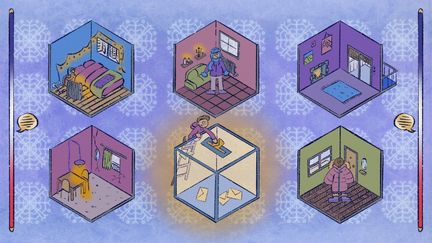
- The National Energy Poverty Observatory records the highest crisis rate in France at 12.5% of households, with a third of the population struggling to pay utility bills over the past year.
- Firsthand testimonies reveal residents enduring indoor temperatures dropping to 11°C due to sharp increases in gas and electricity prices.
- Urgent demands emerge to lower VAT on energy to 5.5%, link tariffs to income levels, and broaden eligibility for the 'energy voucher'.
The "energy poverty" crisis in France is escalating like a silent social bomb plaguing millions of low-income families and individuals, especially amidst successive waves of high living costs and surging heating expenses. On the occasion of the National Day Against Energy Poverty, the Housing Foundation and around twenty organizations and associations involved in the energy transition called for placing this issue at the heart of priorities, proposing a pact comprising eight key measures; most notably increasing housing renovation aid, raising the value of the "energy voucher" to match inflation, and replacing electricity disconnections for non-payment with reducing the available electrical capacity.
Alarming Figures and Silent Daily Suffering
Official statistics confirm the worsening of this social crisis; the National Energy Poverty Observatory indicator for 2024 recorded its highest levels in recent years, exceeding 12.5% of French and resident households that combine low incomes with allocating more than 8% of their budget to home energy expenses. The National Energy Mediator's barometer also showed that one in three citizens faced severe difficulty paying gas or electricity bills over the past 12 months, at a time when the benchmark gas price surged by more than 50% and fuel oil prices hit record highs.
Live Testimonies from the Heart of Cold Homes
Behind these figures, harsh details of daily life emerge. In the Essonne department, Diane (58), a job seeker and single mother of a young girl, recounts how she reduced her consumption to the absolute minimum: "My heating only turns on if the temperature drops below 17°C, and I have stopped using the oven and spaced out showers and laundry so my bill does not exceed €110 per month." Diane calls for adopting energy pricing based on income levels to protect low-income households or re-nationalizing the gas and electricity sectors to control prices.
In the Loire department, Nathalie Fromont (54), a disabled former agricultural worker, lives in social housing where the temperature drops to 11°C and can plummet to 8°C. Nathalie, who completely stopped using heating two years ago due to financial hardship, says: "Energy is a basic necessity of life just like food, and it is unreasonable for VAT on it to remain at 20%; it must be reduced immediately to 5.5% for low-wage earners."
Renovation Obstacles and Weak Tenant Rights
For his part, Nicolas Renard (39) in the Vosges region faces a legal and architectural dilemma; he purchased a poorly insulated home and incurred a heating bill of €450 for October alone, but the "Architects of the Buildings of France" body refused to allow him to insulate the building's facade to preserve its heritage character, depriving him of subsidies for installing a heat pump. Nicolas stresses the necessity of preventing such bodies from obstructing essential thermal improvement work needed to rescue families from financial ruin.
In the capital, Paris, Florence (27) highlights the power imbalance between landlords and tenants in poorly insulated housing, calling on the state to enforce automatic oversight obliging landlords to fix "thermal strainers" without leaving tenants alone to face legal disputes that could threaten their housing stability.
Demands to Increase and Expand the "Energy Voucher"
Marcelle (60), a resident of social housing in the city of Caen, concludes the testimonies by demanding reform of the financial support system; she was recently excluded from the "energy voucher" due to a slight increase in her monthly salary (€1,570). She points out that the aid amount, which ranges between €48 and €277, is no longer sufficient at all to cope with prices, forcing her and her student daughter to use electric blankets and seal windows with adhesive tape to escape the cold and dampness.
Source: France Info


Comments (0)
You must log in to comment on articles.
Log in Sign upBe the first to comment on this article.