

Is the Phrase "Bon Appétit" a Breach of Etiquette in France? Secrets of French Dining Etiquette
Although "Bon appétit" is celebrated worldwide as the quintessential French dining wish, traditional etiquette views it differently, sparking an enduring debate over table manners in France.

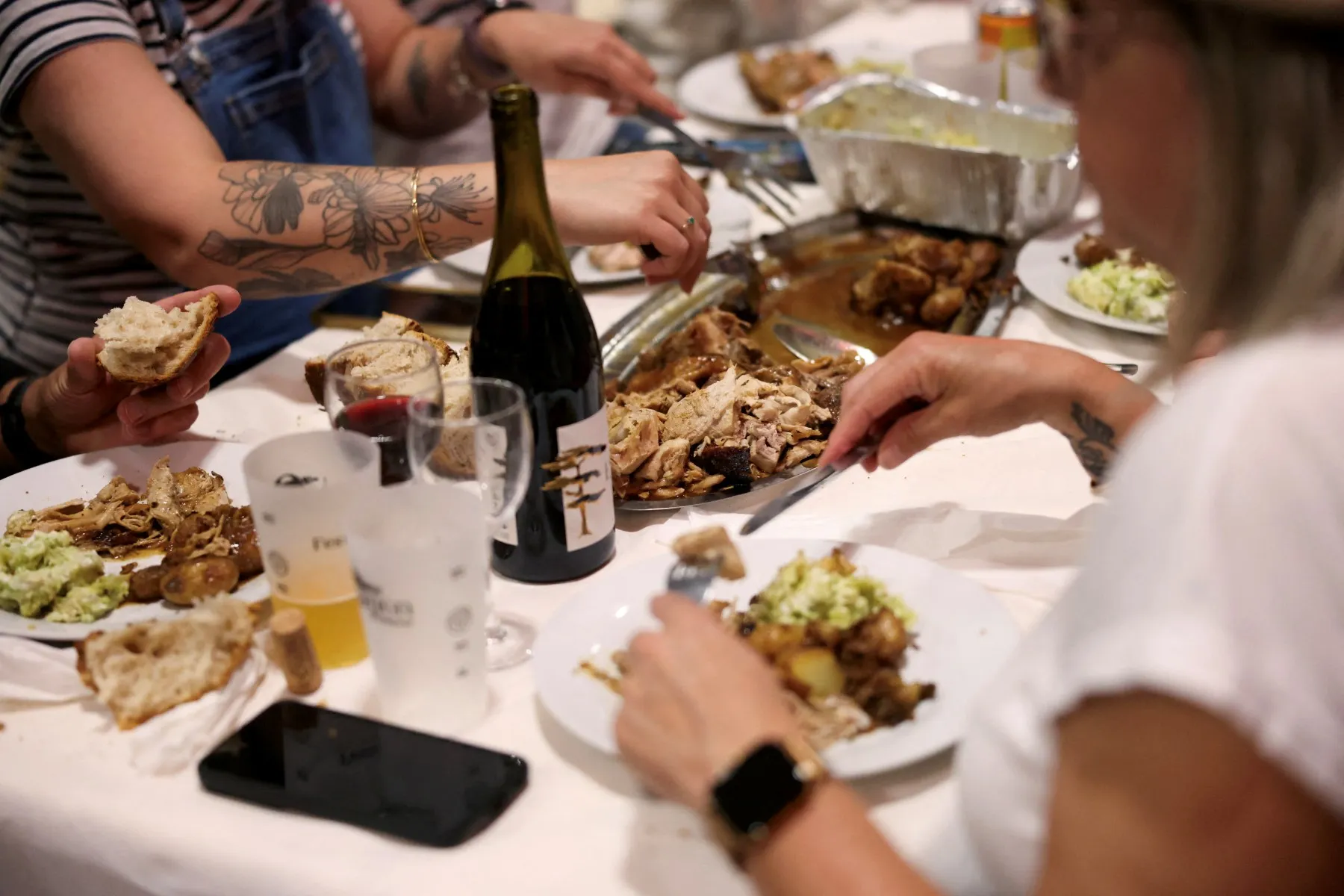
- Historically, aristocratic circles avoided the phrase "Bon appétit" because it alluded to physiological hunger and digestion.
- Since 2010, restaurants have seen the rise of "Bonne dégustation" as a more refined alternative centered on the culinary tasting experience.
- The Académie française officially endorses the phrase, which remains widely used and fully accepted in daily life and informal gatherings.
The phrase "Bon appétit" is one of the most famous French expressions, transcending its homeland's borders to settle into various languages worldwide, including English, where it is used to wish someone an enjoyable and pleasant meal. Despite its widespread popularity, this renowned expression stirs a long-standing debate in France regarding etiquette and proper table manners.
Why Does Traditional Etiquette Consider It Bad Manners?
Linguistically, the expression is entirely sound and is included by the Académie française in its dictionary, which defines it as a friendly and informal wish extended to someone about to eat. The word "appétit" traces back to the Latin root "appetitus," meaning a strong desire or craving. French literature has documented its presence since at least the seventeenth century, appearing in Victor Hugo's famous play "Ruy Blas" in the line: "Bon appétit, messieurs!".
However, in old aristocratic and high-society circles, using the phrase was deemed improper and sometimes viewed as somewhat vulgar. This is because wishing someone a "good appetite" draws attention to the purely organic and physical aspects of eating, such as hunger, stomach movements, and digestion. Traditional French dining etiquette demands discretion and complete avoidance of referencing bodily functions or making remarks that might embarrass those present.
The Rise of "Bonne Dégustation" and the Academy's Stance
In recent years, particularly since 2010, the expression "Bonne dégustation" (meaning "enjoy the tasting") has emerged as an increasingly popular alternative, especially in upscale restaurants, as reported by "The Conversation." This phrase focuses on the sensory appreciation of gastronomy and the quality of dishes, rather than the concept of satisfying hunger.
Although etiquette experts view "Bonne dégustation" as a more elegant formulation, the Académie française has expressed reservations about this shift. The Academy considers it an unwarranted exaggeration to wish an "elevated tasting experience" to someone consuming a simple, everyday meal like a tomato salad or steak-frites.
Acceptable Alternatives and Daily Reality
For those seeking to adhere to the strictest standards of social grace or to vary their vocabulary on formal occasions, alternative phrases can be used, such as:
- Je vous souhaite un excellent déjeuner / dîner: (I wish you an excellent lunch / dinner).
- Ça a l'air délicieux: (This looks delicious).
- N'hésitez pas à commencer: (Please, go ahead and start).
Nevertheless, there is no need to worry about committing a faux pas when using the classic expression. In everyday French life, "Bon appétit" remains the most spontaneous and natural expression among family and friends, often casually shortened to "Bon app'" without causing any offense to the French public.
Source: The Local



Comments (0)
You must log in to comment on articles.
Log in Sign upBe the first to comment on this article.