

Economist Analyzes Post-Congressional Elections: U.S. Fiscal Slippage and Looming Trade Pressures on Europe
In a comprehensive analysis of the 2026 U.S. midterm elections, Carmignac's Chief Economist Raphaël Gallardo examines the political shift, fiscal risks, and looming trade pressures targeting Europe.

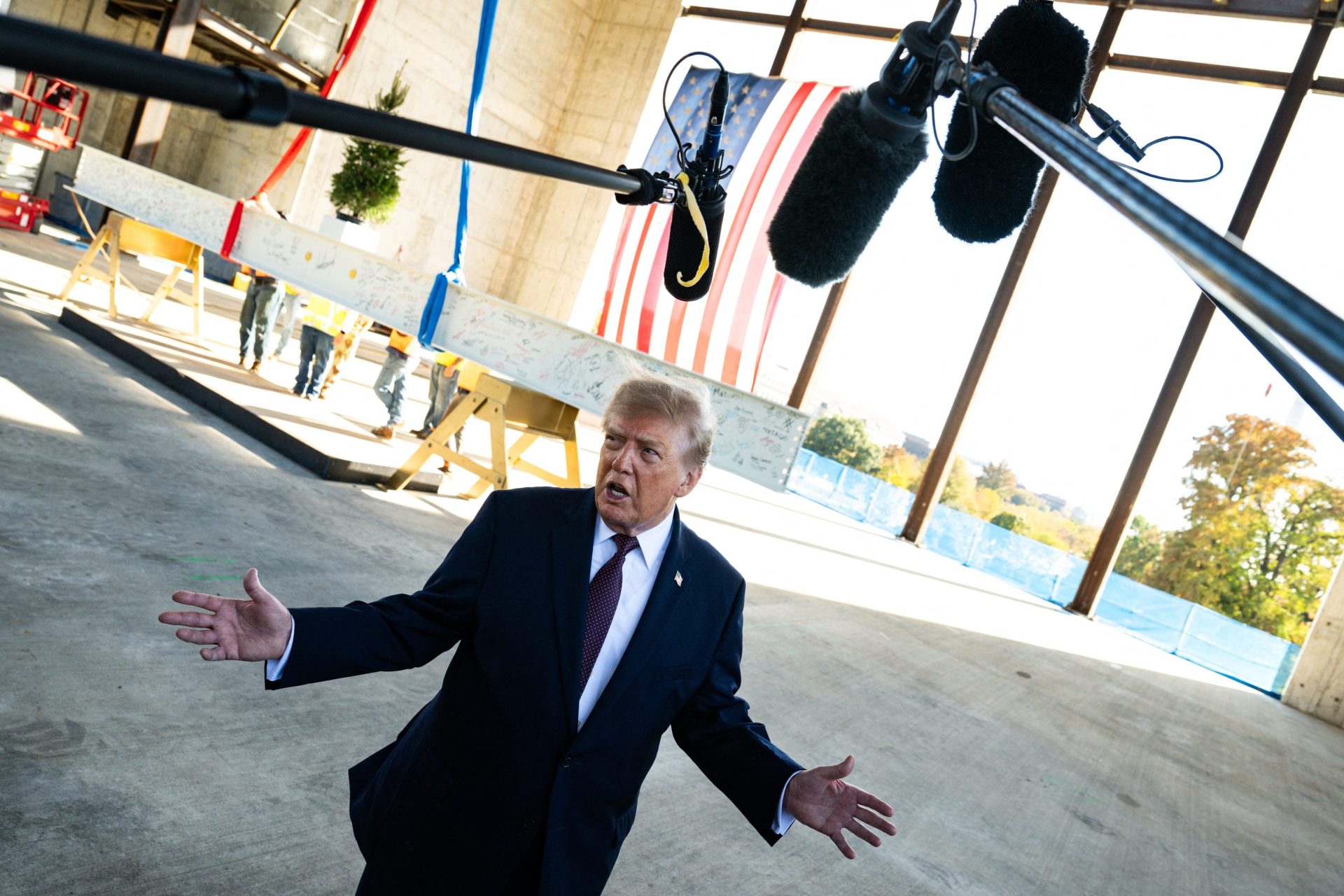
- Trump's declining popularity and loss of Congress are attributed to inflation rising to 5%, soaring fuel prices, and arbitrary deportation policies.
- Expectations of fiscal slippage with a deficit reaching 7% of GDP, alongside Washington opening a new tariff front targeting Europe's digital services sector.
- Continued military tensions in the Middle East and sustained pressure on oil prices, coupled with Democrats launching extensive financial probes into Trump's inner circle.
In a comprehensive reading of the 2026 U.S. midterm election results, the Head of Economic Research at asset management firm Carmignac, Raphaël Gallardo, described the political shift and the Democratic takeover of Congress as a historic event reflecting the depth of public discontent, particularly among households and immigrants, outlining the economic and international scenarios anticipated over the next two years.
Reasons for the Defeat: Inflation, Immigration, and Artificial Intelligence
Gallardo explained that the Republican camp's loss was not solely driven by the fallout from the war launched by Washington against Iran and the resulting surge in fuel prices, but was also tied to the failure of Trump's economic promises. Inflation climbed back to 5%, and consumer confidence dropped to levels lower than those recorded during the 2009 financial crisis. Furthermore, hardline anti-immigration policies and indiscriminate deportation sweeps led to the loss of votes among broad segments of the Latino community.
The expert also highlighted the emergence of a new phenomenon: widespread public pushback against artificial intelligence data centers due to their massive consumption of electricity, water, and land, as well as the noise they generate. This manifested in protest movements across major states; energy prices spiked in Ohio (which hosts 1.2 GW and plans to add 18 GW), contributing to affected states such as Texas (slated to develop 93 GW), Georgia, and Ohio flipping to the Democratic camp.
Renewed Fiscal Slippage and Pressures Targeting Europe
On the fiscal front, Gallardo warned of an impending slippage in the U.S. budget, with the public deficit currently standing at 7% of GDP. As the debt ceiling debate arrives next year, Democrats are set to impose conditions to reverse social spending cuts to programs such as Medicaid and food assistance for low-income families, portending a fresh rise in interest rates across global markets.
Regarding trade policies, Gallardo projected that Trump would aim his tariff offensive in the coming phase toward Europe—not in traditional industrial sectors, but by targeting digital services, particularly given his desire to offset any impending trade compromises with Canada.
Broad Investigations and Ongoing Geopolitical Tensions
Gallardo believes the new Democratic majority in Congress will leverage its oversight powers to launch extensive investigations into business dealings and suspected profiteering within Trump's inner circle and family. These include Jared Kushner's investments through his fund, Affinity Partners, linked to billions of dollars from Israel and the Middle East, as well as Donald Trump Jr.'s stakes via 1789 Capital in mining ventures in Kazakhstan.
Internationally, although Congress has limited leverage to compel the president to halt overseas military interventions, Gallardo considers a renewed military campaign against Iran likely, driven by Israeli Prime Minister Benjamin Netanyahu's desire to prolong tensions until the Israeli legislative elections in spring 2027, thereby keeping global oil prices under continuous geopolitical pressure.
Source: L’Express
Comments (0)
You must log in to comment on articles.
Log in Sign upBe the first to comment on this article.