

Does an Asylum Seeker Have the Right to Work in France?
Many asylum seekers in France believe that holding an asylum application registration certificate automatically allows them to work; however, French regulations impose strict timelines, conditions, and procedures governing employment access.

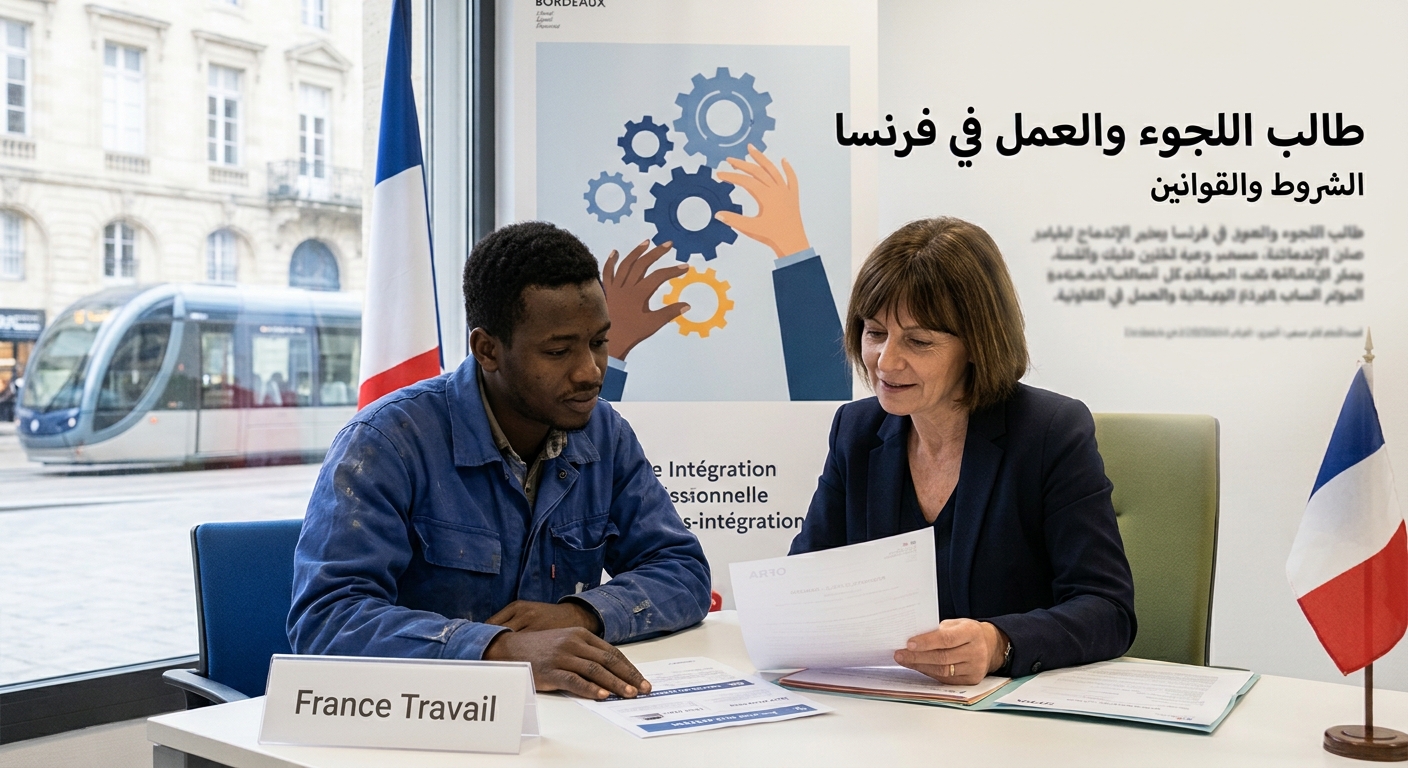
- Asylum seekers in France are strictly prohibited from working during the first six months following the official registration of their claim at the single desk (GUDA).
- After six months, applicants can request a work permit if OFPRA has not yet issued a decision, provided the delay is not attributable to the applicant.
- Under updated European migration rules effective June 2026, asylum seekers subject to Dublin procedures are barred from entering the labor market.
- Employers must initiate the work permit application online via the ANEF digital platform, with prefectural silence after two months constituting tacit approval.
Does an asylum seeker have the right to work in France?
Many asylum seekers in France believe that obtaining an asylum application registration certificate entitles them to work, but in reality, you cannot work during the first six months of your asylum application being examined in France.
However, if 6 months have passed from the date of filing the asylum application, and the French Office for the Protection of Refugees and Stateless Persons has not issued its decision regarding your asylum application, you can request a salaried work permit..
Yes, an asylum seeker in France has the right to work, but not immediately and under specific conditions. According to recent legal updates in France and the European Pact on Migration and Asylum for 2026, the asylum application period is divided into two primary stages:
1 — The First Six Months (Strict Ban):
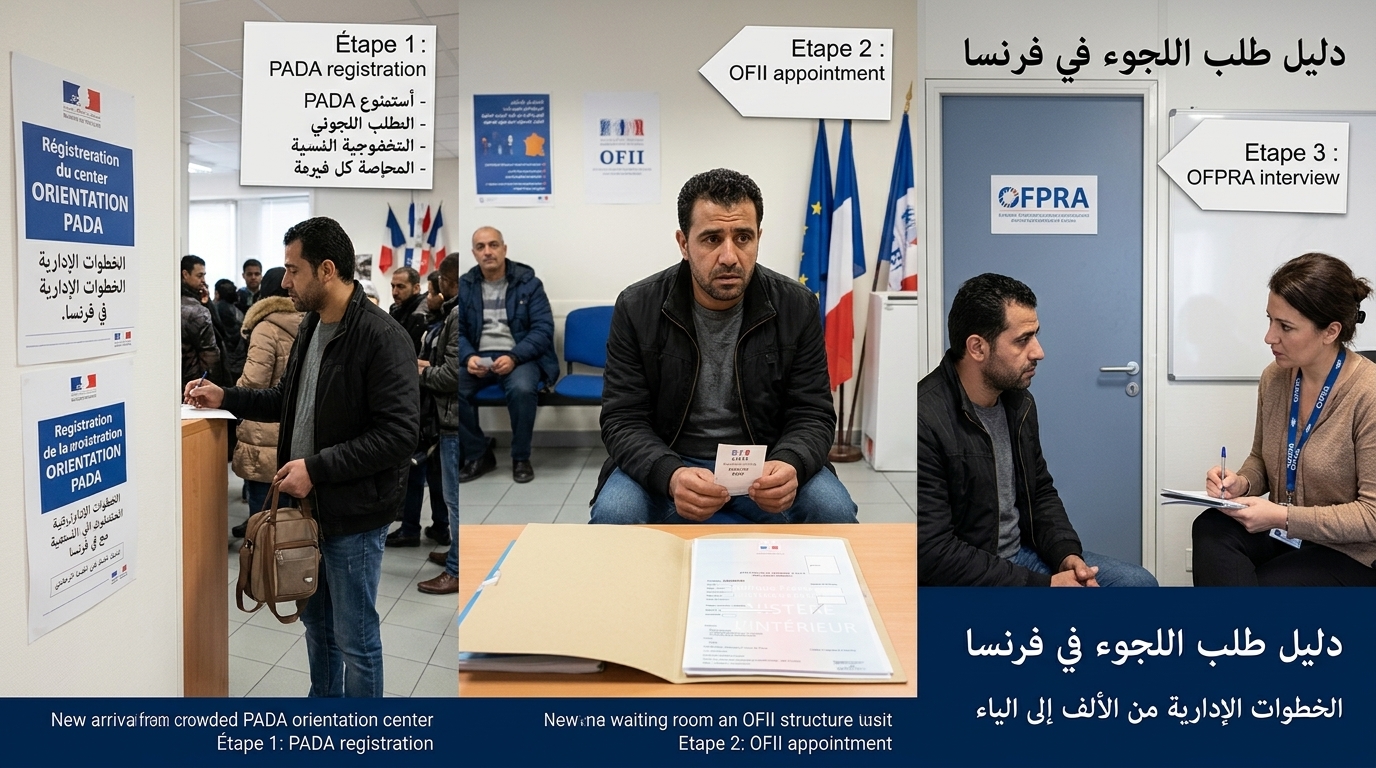
An asylum seeker is strictly prohibited from working during the first 6 months from the date the asylum application is officially registered at the single desk (GUDA).
2 — After 6 Months (Possibility to Work Under Conditions):
If 6 months have passed and the French Office for the Protection of Refugees and Stateless Persons (OFPRA) has not issued a decision on your application, you may apply for a work permit (Autorisation de travail), provided that this delay is due to reasons beyond your control (such as processing backlogs within the service).
To begin working legally, the following steps must be completed:
· Finding an employer: You must first find an employer willing to hire you and provide a job offer (Promesse d'embauche) or an employment contract.
· Submitting the permit application: The employer submits the work permit application online to the relevant regional directorate.
· Waiting period: The administration examines the labor market situation and the job offered; if no response is given within two months, silence is considered implicit approval of the permit.
* Important exceptions to note:
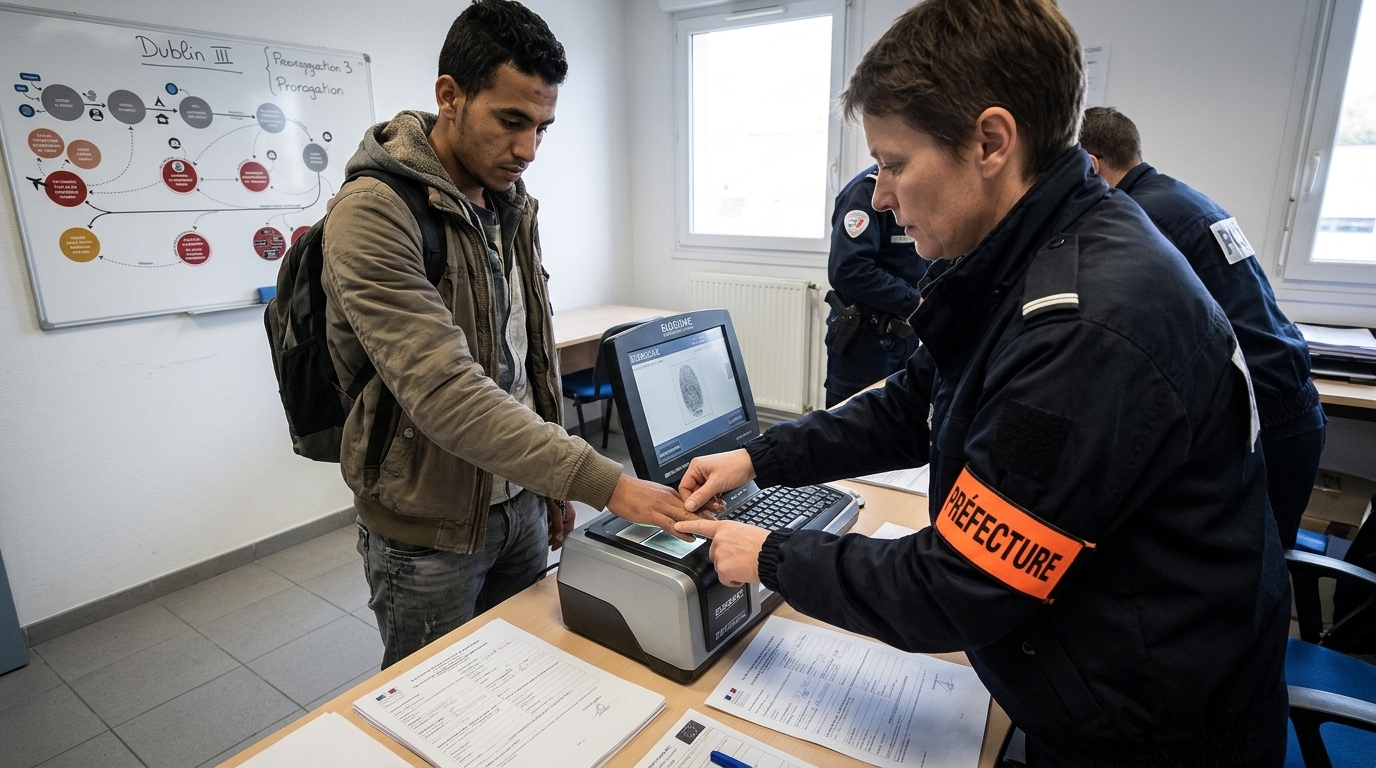
· Dublin Procedures: Following the entry into force of updated European rules in June 2026, access to the labor market has been abolished for asylum seekers subject to Dublin procedures (those being transferred to another European country).
· Appeal Stage (CNDA): If OFPRA rejects your application during the first six months and you file an appeal with the National Court of Asylum (CNDA), you do not have the right to request a work permit during the appeal period.
Illustrative examples:
Case No. 1:
Your application was rejected by the French Office for the Protection of Refugees and Stateless Persons before 6 months from the filing date, and you appealed before the National Court of Asylum, which has not yet issued a decision: You cannot apply for a work permit.
Case No. 2:
Your asylum application has been registered for more than 6 months and your file is still being examined by the French Office for the Protection of Refugees and Stateless Persons. If you apply for a work permit, the administration must examine it, even if your application is rejected later and you appeal the rejection decision before the National Court of Asylum.
* — Procedures required to obtain a work permit:
First: Searching for an employer:
An employer must be found in advance, ensuring they take responsibility for submitting the file electronically, which includes:
Detailed information about the employment contract, whose duration must exceed 3 months.
Information about the company and previous recruitment searches.
The list of supporting documents that must be submitted and attached to the work permit application file, specified in Official Journal No. 0079 approved on April 02, 2021, can be reviewed via the following link: www.legifrance.gouv.fr/jorf/id/JORFTEXT000043317454
Second: Submitting the file to the prefecture:
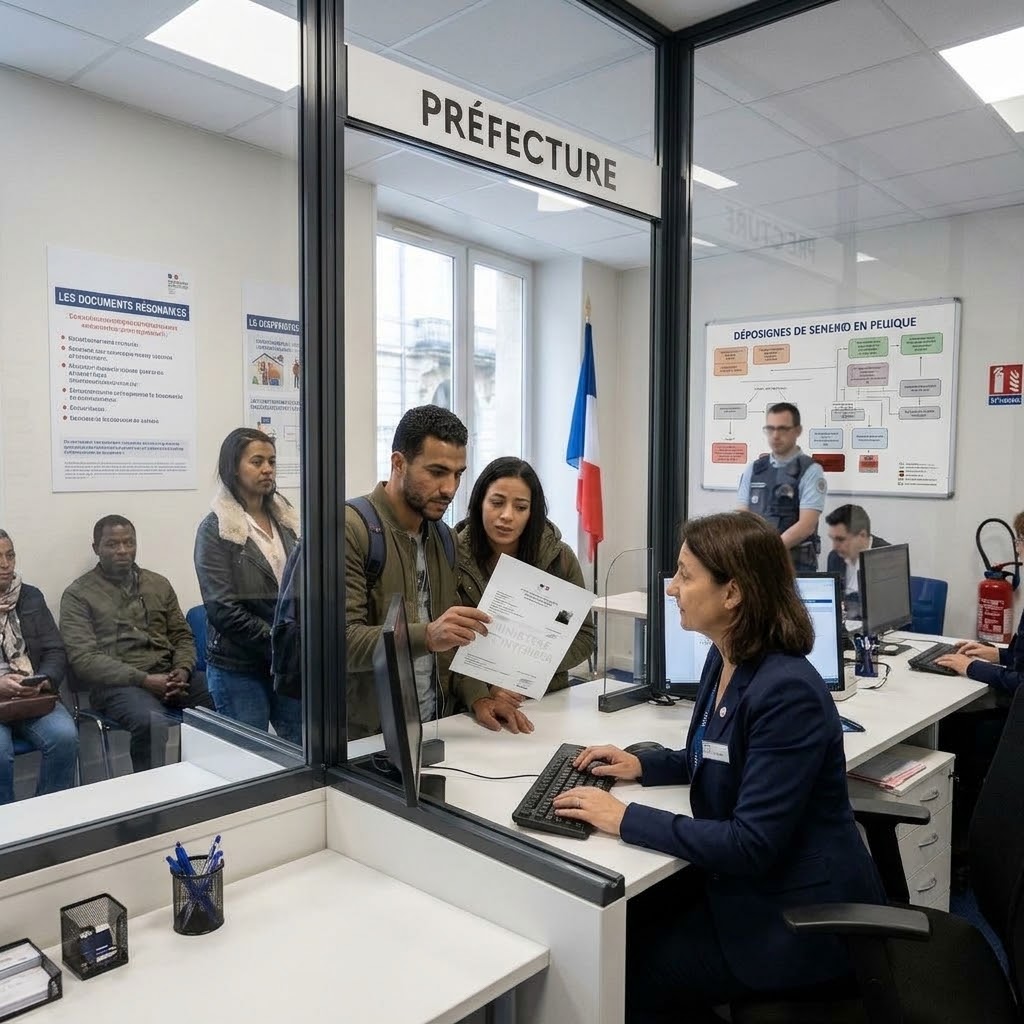
The file must be submitted to the prefecture of the department where you reside.
The employer (not you) submits the work permit application online via the Digital Administration for Foreigners in France (ANEF).
In the event of a refusal, you can appeal before the Administrative Court. To do so, you may consult an association specializing in the defense of foreigners or hire a private lawyer.
*— Note: The prefecture will have two months to respond to the work permit application. In the absence of a response within these two months, silence is considered implicit approval (the authorization is deemed granted).
Once you receive the work permit, you may begin working for this employer.
Warning!: You must not change companies:
The permit is valid only for the employment contract submitted to the prefecture, which contains the details and specifications of that company.
— In the event of job loss, you are not entitled to register with the employment office or receive unemployment benefits ("chômage"), unless the contract was terminated before its end date for a reason attributable to the employer or in cases of force majeure.
In this situation, any asylum seeker can benefit from several types of professional training (les formations) (France Travail must be contacted).
In reality, obtaining funding for vocational training is difficult for asylum seekers, but there is nothing to lose by trying.
*— Regarding the special case of unaccompanied foreign minors:
They are taken into care by the Child Social Welfare service (ASE) and are entitled to a work permit if they provide an apprenticeship or professional training contract. If they apply for asylum, they must be allowed to continue their contract while their application is processed.
Source: المصدر: فرنسا نيوز www.frncnews.com
Comments (0)
You must log in to comment on articles.
Log in Sign upBe the first to comment on this article.