

Controversy in France Over the 'Ideological Drift' of the Magistrates' Union and Its Tensions with Parliament and Police
Controversy has resurfaced in France over the ideological stance and political activism of the Syndicat de la magistrature, spotlighted by a heated clash in the National Assembly.

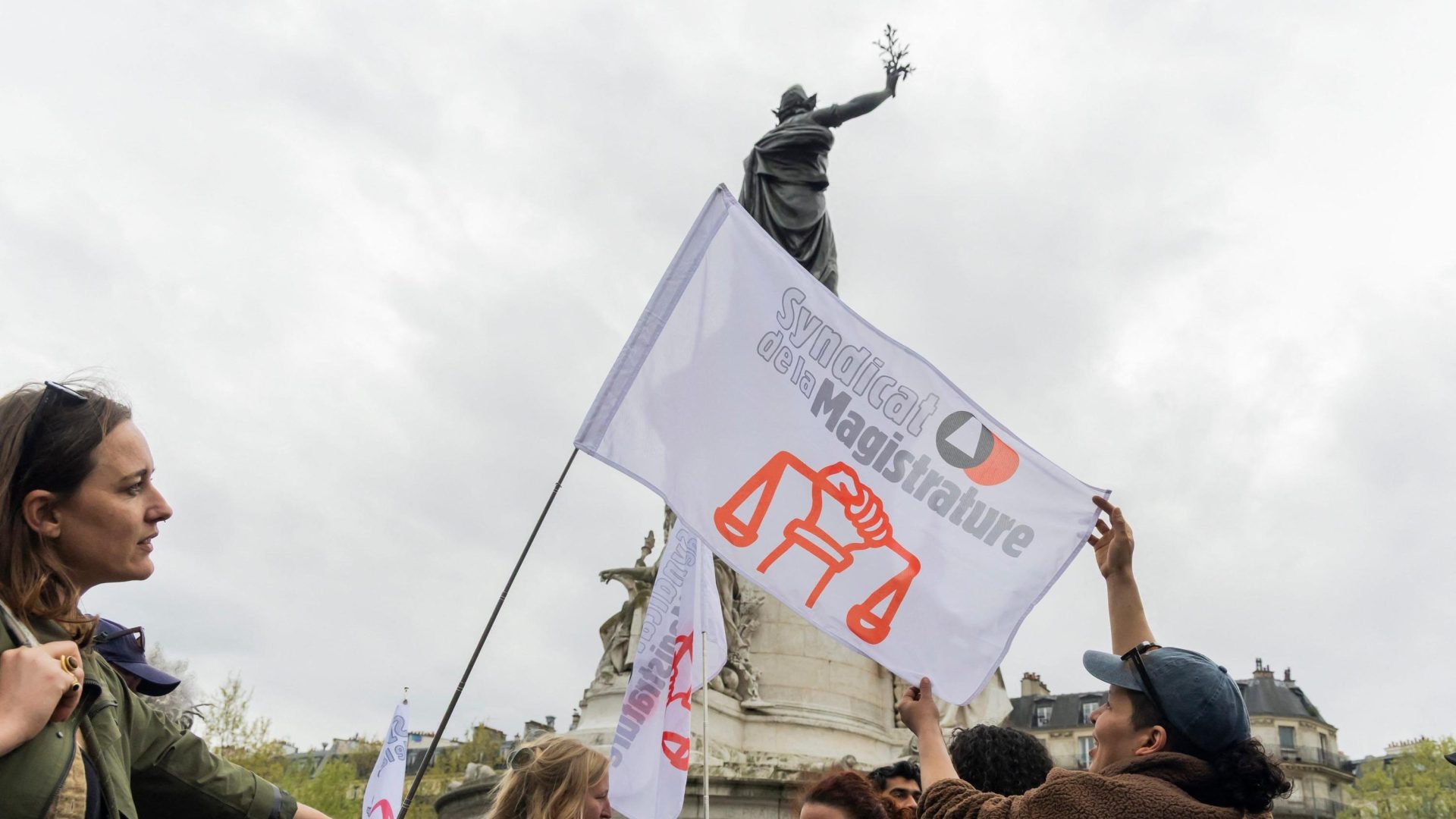
- An investigation highlights the Syndicat de la magistrature's overt political activism amid an escalating crisis of public trust in the French justice system.
- A sharp altercation in the National Assembly between union representative Manon Lefebvre and MP Christopher Weissberg exemplifies the growing friction.
- The judicial union faces accusations of harboring hostility toward the police force and engaging in an open confrontation with Interior Minister Gérald Darmanin.
In an increasingly polarized French society where skepticism toward the justice system is mounting, controversy has resurfaced over the alleged "ideological drift" of the Syndicat de la magistrature (Magistrates' Union). The union has become increasingly overt about its political activism, amid declared hostility toward the police and an open confrontation with Interior Minister Gérald Darmanin.
Altercation Inside the National Assembly
This tense atmosphere was clearly demonstrated during a hearing held on Thursday, September 17, in the National Assembly, convened to examine a comprehensive bill against sexual and gender-based violence. During the session, Manon Lefebvre, representing the Syndicat de la magistrature, made a seemingly defiant remark to lawmakers, stating: "I know I have been speaking for 22 minutes, but that is the way it is."
This attitude prompted Christopher Weissberg, a deputy from the "Together for the Republic" group and chair of the parliamentary committee, to respond angrily: "Excuse me... we are in a parliamentary committee, not in a courtroom. We have the prerogative to direct the debates (...) and we will not conclude our proceedings at 6:00 PM as you imply!"
An Attempt to Assert Influence and Reverse Roles
According to observers, this exchange reflected a reversal of roles; the union representative and her colleague attempted to dictate the pace and take charge of "policing the session" before lawmakers who appeared placed in a subordinate posture. The incident encapsulates the nature of the ongoing rift between the nation's elected representatives in parliament and a union organization accused of attempting to exert influence far beyond its professional mandate, against the backdrop of a wider social and political crisis unfolding in France.
Source: Le Figaro
Comments (0)
You must log in to comment on articles.
Log in Sign upBe the first to comment on this article.