

COP31 Climate Summit in Turkey Fails to Adopt Final Decision Amid Sharp Disagreements Over Fossil Fuels
The COP31 climate conference concluded without adopting a final decision in Antalya, Turkey, following a firm rejection by the European Union and other nations over the omission of fossil fuels from the draft text.

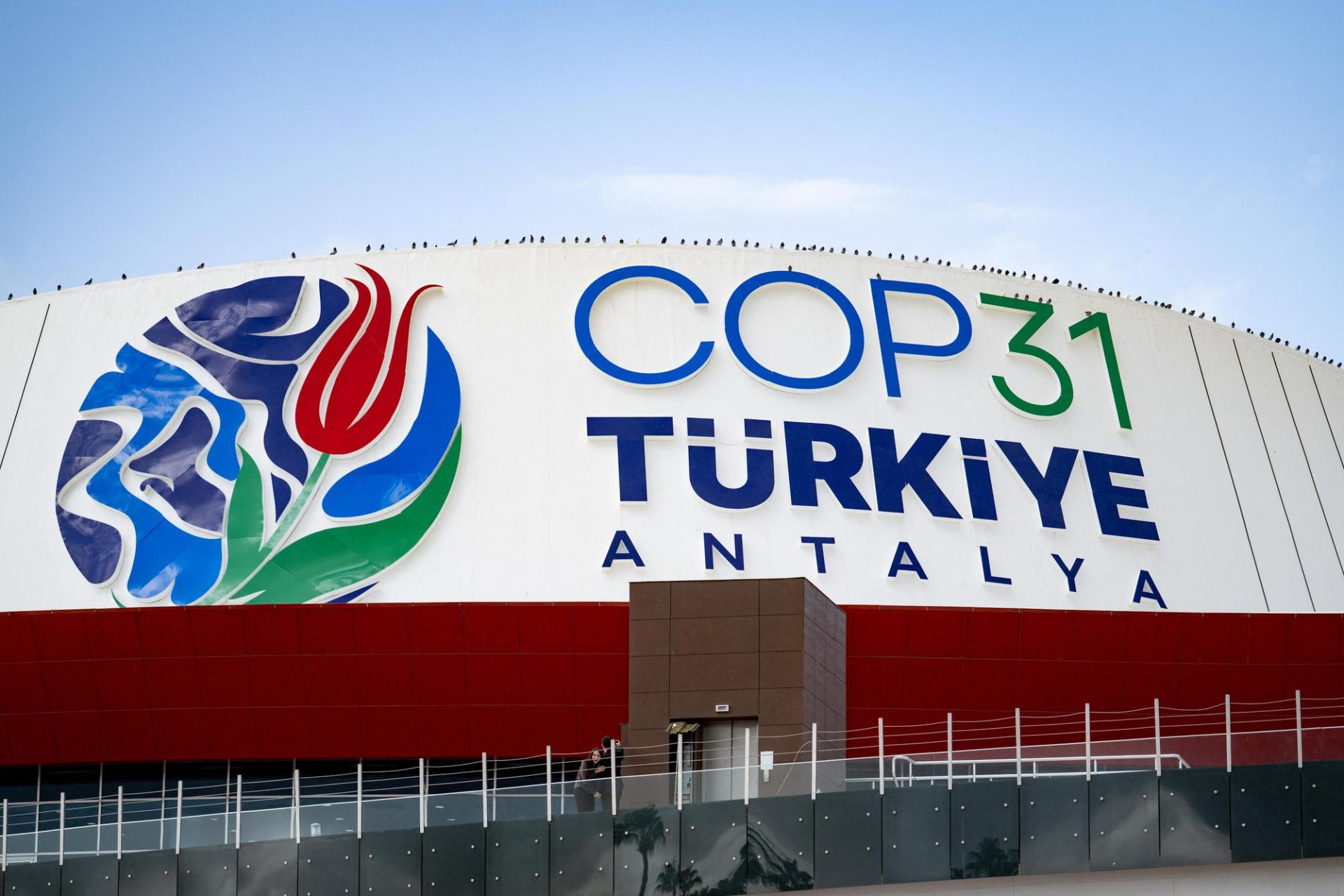
- COP31 failed to reach a final agreement after the European Union and other countries rejected a draft that omitted any mention of fossil fuels.
- French Minister for Ecological Transition Monique Barbut described the draft as an 'unacceptable retreat', while the Irish EU presidency criticized the summit for being taken hostage by petrostates.
- Disagreements persisted over carbon capture and storage technologies, climate adaptation funding, and the timeline for IPCC reports.
The President of the United Nations Climate Change Conference (COP31), Turkey's Murat Kurum, acknowledged on Sunday, November 22, 2026, the failure of participating countries to reach an agreement on the draft final decision at the summit held in the Antalya Exhibition Center, resulting in no official adoption of decisions in the longest climate conference in the history of the international organization.
European Opposition and Firm French Rejection
The failure in the plenary session came following a categorical refusal by the European Union and other nations to adopt the proposed text. Irish Climate Minister Darragh O'Brien, whose country currently holds the rotating Presidency of the Council of the European Union, announced: “We will not agree to a decision that does not even mention fossil fuels, which are the primary driver of climate change,” adding before delegates in Antalya that the conference had been “taken hostage by petrostates,” calling for a complete reset of the course.
For her part, French Minister for Ecological Transition Monique Barbut expressed strong dissatisfaction, emphasizing in a press statement that the draft final decision “takes us backward” and constitutes an “unacceptable” retreat. Barbut warned that “time is running out and the outcome has not yet been achieved,” criticizing the absence of any clear commitment to phase out fossil fuels.
Intense Disputes Over Fossil Fuels
The latest draft formulated by the Turkish and Australian presidencies was limited to a brief reference to the outcomes of COP28 held in Dubai in 2023—which historically called for the first time for transitioning away from fossil fuels—without the new text including an explicit call to phase out coal, oil, and gas. This prompted protests from representatives of countries in the Pacific, Latin America, and Europe, alongside Panama, which formally announced its rejection of the text, while Antigua and Barbuda's Environment Minister in the Caribbean, Michael Joseph, expressed profound disappointment regarding the wording of the decision.
In contrast, hydrocarbon-producing nations, led by Saudi Arabia, maintained their position refusing to name fossil fuels in the final document, leading to an impasse in negotiations and the departure of several diplomatic delegations, which threatened the quorum necessary to adopt any agreement.
Controversy Over Carbon Capture and Finance
The alternative draft supported by Turkey focused on the target of increasing the share of electricity in global final energy consumption to 35% by 2035, and calling for the scaling up of carbon capture, utilization, and storage (CCUS) technologies. However, non-governmental organizations, headed by “350.org”, launched a sharp critique against these solutions; Sarah Shaw, an official with the organization, considered that leaders were about to fall into the “trap” of carbon capture, describing it as a “ruse” promoted by the oil and gas sector.
Complex disputes also surfaced regarding climate finance commitments from developed nations to assist developing countries, amid European insistence on fulfilling previous pledges without providing new funds, as well as the dispute over the Intergovernmental Panel on Climate Change (IPCC) reports scheduled for 2028, which countries such as India and Saudi Arabia seek to postpone to 2029. All of this unfolded in the absence of the United States and against a strained geopolitical backdrop tied to soaring energy prices resulting from the war in the Middle East.
Source: Nouvelobs

Comments (0)
You must log in to comment on articles.
Log in Sign upBe the first to comment on this article.