

"A10 Motorway Child" Case: Mother of Inass Touloub Admits to Beatings, Denies Remembering Torture
During the fifth day of her trial in the "A10 motorway child" case, Halima El Bakhti admitted to repeatedly beating and slapping her daughter, Inass Touloub, while claiming to have forgotten the severe injuries and signs of torture documented on the child's body.

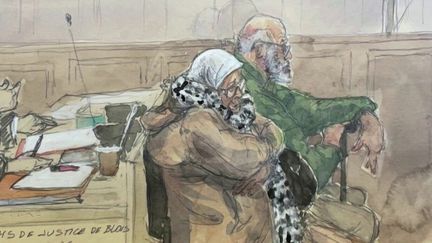
- Mother Halima El Bakhti admitted to beating her daughter but claimed to have forgotten the medically documented burns, fractures, and human bite marks.
- The mother attributed the child's death to "fatigue and poor nutrition," directly contradicting the forensic pathologist's testimony.
- The trial highlights the strained family dynamic after the child was brought from Morocco to France, having spent her first year with her grandmother.
During the fifth day of the trial, Halima El Bakhti returned to testifying about her troubled relationship with her daughter, Inass Touloub, in the case known in the media as the "Martyr of the A10 Motorway." Despite attempts to display maternal affection and insist on her love for the young girl, the 72-year-old defendant admitted to repeatedly slapping and striking the victim, amid vague and controversial testimonies.
Admission of Beatings and Ambiguity Surrounding Torture
El Bakhti admitted before the court to abusing her daughter with physical blows at times, yet she resorted to denial and claimed memory loss when the presiding judge read out the long list of injuries found on the child's body, which included burns, bruises, fractures, and human bite marks. The defendant offered evasive answers, asking: "How could I have done all this? I didn't know why I was hitting her."
The presiding judge expressed astonishment at the precision of the defendant's memory regarding certain matters; she recalled specific details about the girl's birth, her past desire to remain in Morocco and return to her teaching career before moving to the Paris suburbs, and her France-based husband's request that she return to assist him with work without the infant. The defendant defended this selective recall by saying: "The good moments I remember well, but the dark period, I do not remember."
Family Rupture and Conflicting Accounts
According to the defendant, the "dark period" referred to the stage when Inass returned to France after spending her first year in Morocco cared for by her grandmother. During this time, the mother failed to forge an emotional bond with her infant, pointing to mutual difficulties in adapting. Nevertheless, she attempted to project attachment, referring to the victim as "my little girl" and "my other half," adding: "I loved my daughter... when my little girl died, I died too."
The mother claimed that Inass passed away on her lap in the back seat of the car on the night they set off for a holiday in Morocco, contradicting statements by the child's father, Ahmed Touloub, who maintained that she had died the day before inside the family home.
Shock in the Courtroom
When asked by the presiding judge about the cause of her daughter's death, El Bakhti's answer prompted shock and indignation in the courtroom as she said: "She was tired, very tired, and she wasn't eating well." This claim completely contradicts the medical findings presented by the forensic pathologist, who affirmed that the child endured prolonged agony and a slow, torturous death before succumbing to her injuries.
Source: France Info



Comments (0)
You must log in to comment on articles.
Log in Sign upBe the first to comment on this article.