

The Chips and AI Conflict: How the Nvidia and Trump Affair Sparked Division in Washington
A fierce political and strategic battle has erupted in Washington over chip exports to China, pitting Nvidia's commercial strategy and President Donald Trump against national security hawks and Democratic lawmakers.

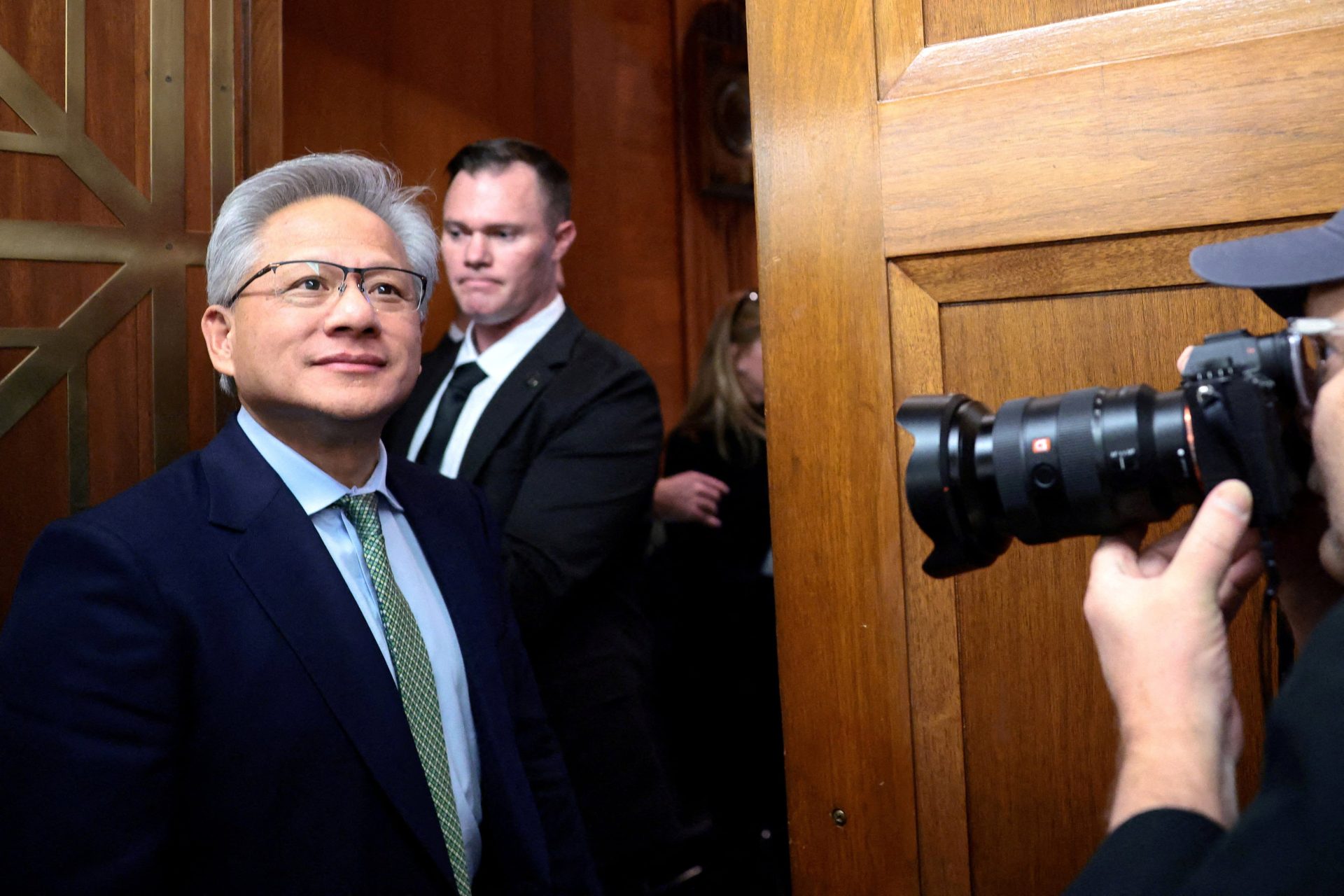
- Nvidia founder Jensen Huang convinced Trump to allow sales of H200 chips to China, arguing it keeps Beijing dependent on American technology.
- Democrats launched a major political attack accusing Trump of conflicts of interest due to his Nvidia stock holdings and company pledges to White House projects.
- The U.S. intensifies oversight to prevent technology leaks and curb the progress of competing Chinese artificial intelligence models.
The U.S. capital, Washington, has witnessed an intense political and strategic struggle that evolved into an open battle over the concept of "technological patriotism," driven by policies regulating the export of advanced semiconductors and chips to China amid an accelerating global race for dominance in the artificial intelligence sector.
Nvidia's Theory: Keeping the Rival in a State of Dependence
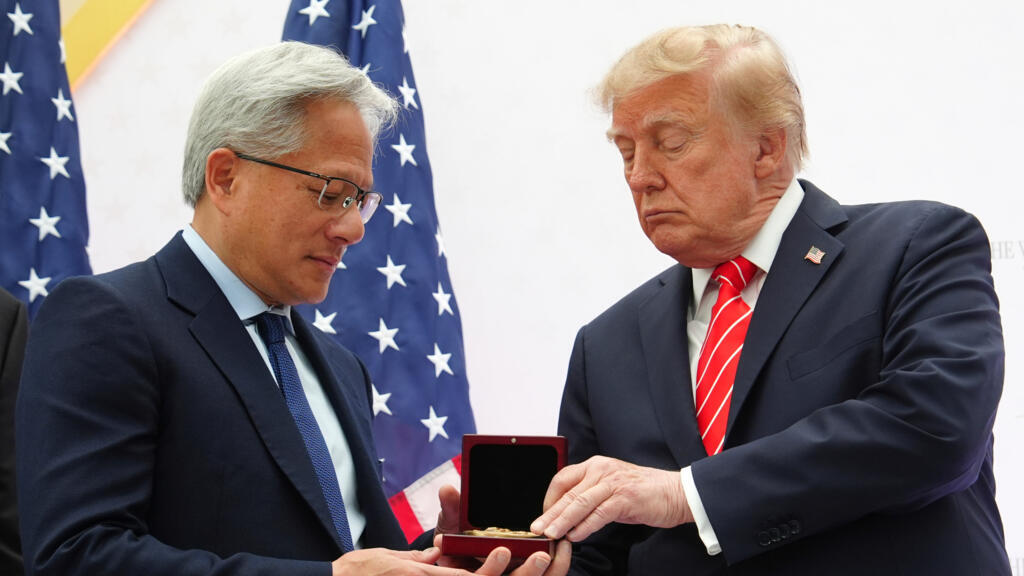
For years, a solid political consensus in Washington favored restricting sensitive technology exports to China; Donald Trump placed Huawei on a trade blacklist in 2019, while Joe Biden continued this approach by tightening restrictions on the sale of advanced chips beginning in October 2022. However, Nvidia CEO Jensen Huang presented an alternative approach that convinced Trump: rather than complaining about financial losses, he argued that maintaining the flow of American chips keeps Chinese companies dependent on U.S. infrastructure and technical standards, whereas an outright ban would drive Beijing to develop its own alternatives—such as Huawei chips and DeepSeek models—and export them at competitive prices.
To advance this vision, Nvidia ramped up its political lobbying efforts; data from OpenSecrets revealed that the company's federal lobbying expenditures surged from $90,000 between 2022 and 2025 to $5 million. Consequently, in December 2025, Trump gave the green light for the sale of H200 chips to China under specific conditions, sparking widespread discontent among foreign policy hawks who viewed the decision as unjustified assistance to a Chinese adversary.
Unprecedented Presidential Intervention and Suspicions of Conflict of Interest
The issue extended beyond trade into political corridors after Trump stepped in to defend Jensen Huang following a personal crisis that had prompted him to resign, with Trump justifying his presidential intervention by citing fears that Nvidia's founder might relocate to China; Huang returned to his post just eleven days later. This intervention opened the door to scathing criticism from Democrats toward the Trump administration, highlighting Nvidia's promise to provide $25 million to fund a new White House reception hall, alongside Reuters reports indicating that Trump owns shares in the company valued between $11 million and $55 million—claims to which the White House responded by asserting that the portfolio is independently managed.
Democratic leaders in the Senate, including Chuck Schumer, Elizabeth Warren, and Chris Coons, are leading efforts to preserve records regarding the scandal and push for strict legislation to control tech exports, including measures to monitor AI and semiconductor security. In response to these pressures, the Trump administration announced on November 16 new oversight measures to detect attempts to acquire chips through intermediary countries.
The War of Models and Computing Power
On the ground, think-tank analyses indicate that curbing China's access to chips will hinder its software progress, especially as U.S. labs have successfully countered technological "distillation" techniques; OpenAI revealed that the success rate of attacks aimed at stealing algorithmic reasoning patterns dropped between the GPT-6 Astra and GPT-6.2 Astra releases from 54% to just 0.2%. As China continues to face an urgent need for the computing power provided by the latest generations of chips, Washington appears headed toward a new phase of strict enforcement and stringent oversight, putting an end to the flexibility of commercial deals.
Source: L’Express

Comments (0)
You must log in to comment on articles.
Log in Sign upBe the first to comment on this article.