

Testimony of a French Activist: How We Carried Out Clandestine Abortions at Home Before Legalization
French activist Pierrette Grisard, 88, recalls the perilous underground struggle to help women access reproductive healthcare before abortion was officially legalized in France.

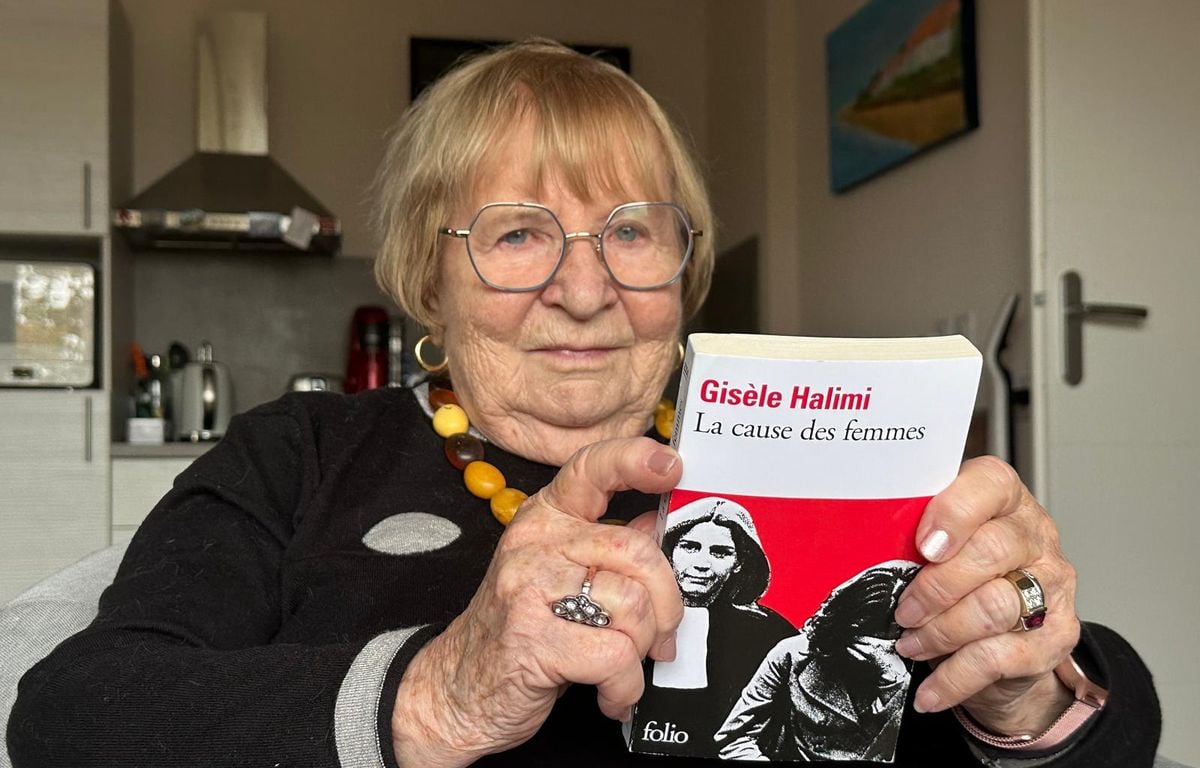
- Activist Pierrette Grisard (88) recalls the era of clandestine struggle to assist women before the legalization of abortion in France.
- Risking prosecution by smuggling medical devices from Britain and turning her living room into an operating space alongside medical students to save women in desperate situations.
- A reminder of pivotal milestones in French women’s rights, such as the Bobigny trial and the Veil Act, alongside a call for enduring vigilance.
The premiere of the film “L’affaire Marie-Claire” took 88-year-old French activist Pierrette Grisard decades back, recalling the bitter struggles waged by women in France to secure their fundamental reproductive rights before they were officially enshrined in law.
From a Conservative Background to Women's Rights Activism
Born in Angers two years before the outbreak of World War II, Pierrette Grisard grew up in an affluent and deeply conservative family; her father forbade her mother from working, and discussions around bodily autonomy and women's rights were strictly taboo. Nevertheless, she pursued her scientific education, entering the École polytechnique féminine (EPF) and later becoming a mathematics teacher.
In the mid-1960s, after giving birth to two children, she visited the offices of "Family Planning" (Planning familial) to inquire about contraception, only to discover the severe difficulties women faced at the time. She had to travel to the city of Tours to obtain a diaphragm that had been secretly smuggled from England through complex intermediaries.
Smuggled Equipment and Clandestine Procedures in a Living Room
That experience led her to undergo training in Le Mans, subsequently helping establish a branch of "Planning familial" in Angers. The activist soon realized that the majority of women visiting the center under the guise of seeking birth control information were, in reality, already pregnant and desperately seeking to terminate their pregnancies at any cost.
With the most vulnerable women unable to afford travel to Britain or Switzerland to undergo procedures due to high costs, Grisard decided to embark on a high-risk venture. She drove her camper van to England and smuggled medical aspiration devices across the border, living under the constant threat of criminal prosecution and severe prison sentences mandated by the 1920 law.
Those clandestine operations were conducted inside her living room with the help of medical students. Grisard personally sterilized the equipment and provided emotional support to the women by holding their hands throughout the procedure, noting that none of those interventions resulted in serious medical complications.
A Historical Path and the Constant Need for Vigilance
Grisard lived through pivotal moments that transformed the legal landscape in France, from the "Manifesto of the 343" in 1971, to the famous 1972 Bobigny trial led by the late lawyer Gisèle Halimi in defense of the minor "Marie-Claire," culminating in the passage of the 1975 "Veil Act" (Loi Veil), which decriminalized abortion.
Although she withdrew from grassroots activism following the passage of the law, the octogenarian affirms that she has no regrets about the risks she took to protect women's dignity, emphasizing that "women's rights require constant vigilance and can never be taken for granted as permanent and guaranteed."
Source: 20 Minutes


Comments (0)
You must log in to comment on articles.
Log in Sign upBe the first to comment on this article.