

Recent Study in France: Widespread Trust in Science and a Fading Halo for Scientists Amid Political Polarization
A periodic national survey in France reveals enduring public trust in the scientific method, coupled with a decline in the idealized perception of researchers and rising partisan polarization over specific fields of study.

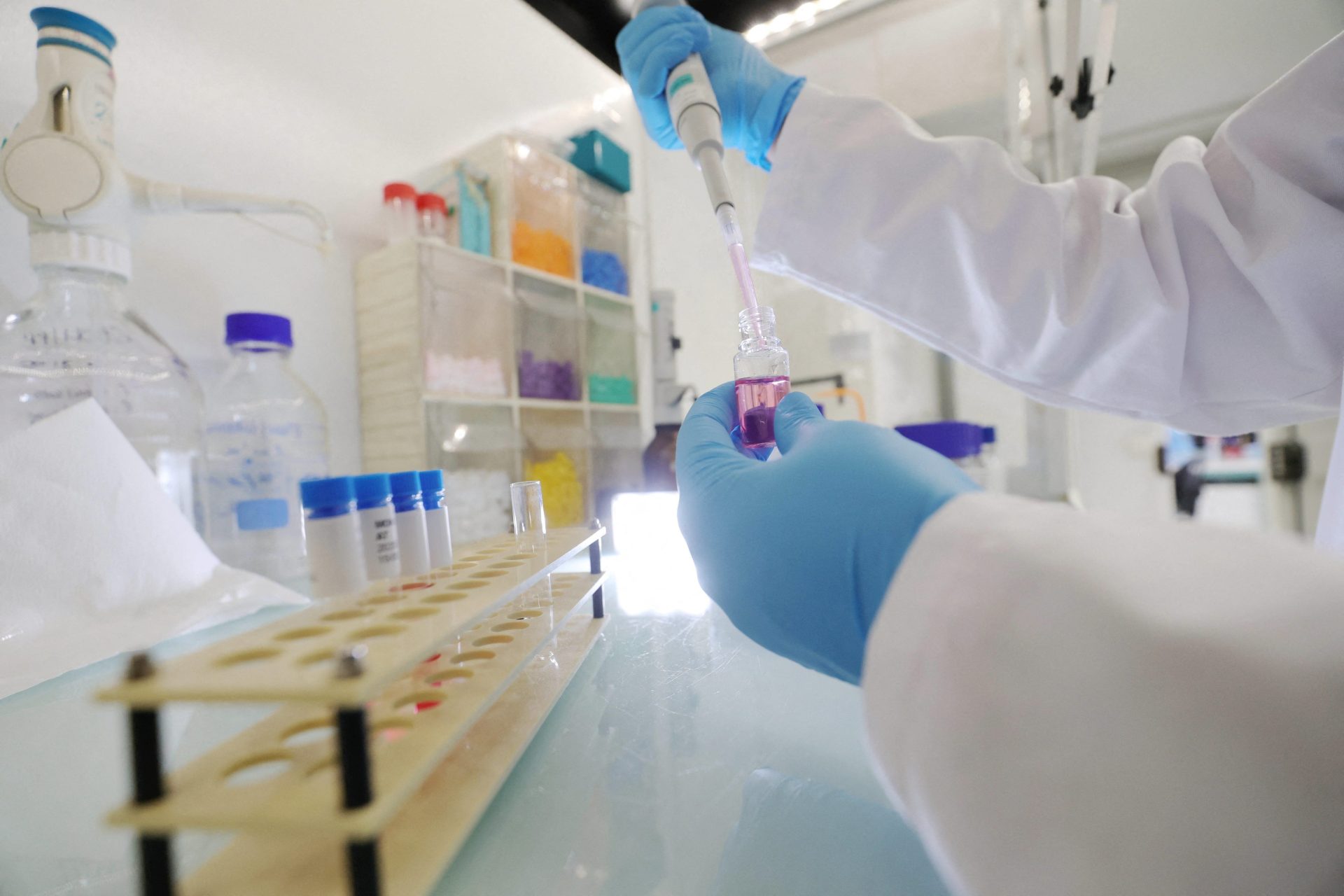
- More than 8 in 10 people in France trust science, while outright rejection of scientific research has remained below 2% for decades.
- A noticeable decline in blind trust in researchers, with 51% of respondents believing that the power of scientists could become dangerous without framing and oversight.
- Partisan polarization emerges in views on science; right-leaning respondents register lower scientific knowledge on certain indicators and express skepticism toward sociological and gender studies.
The latest edition of the periodic national survey on French society's relationship with science, conducted regularly since 1972, has revealed findings that counter common fears regarding widespread erosion of trust following the COVID-19 pandemic. Sociologist and research director at the French National Centre for Scientific Research (CNRS), Michel Dubois, affirmed that society maintains a deep commitment to knowledge and scientific progress, despite a shifting perception of the individuals behind it and a growing critical sense among the public.
Deep-Rooted Trust and the Fall of the Idealized Image
Data from the study, supervised by the 'Gemass' laboratory at Sorbonne University in collaboration with the 'Cevipof' institute, indicated that more than eight out of ten respondents confirm their trust in the scientific method, while the proportion of those who completely reject science has stabilized below 2% since 2001. However, this consensus is accompanied by a decline in the idealized image of scientists; the proportion of those describing a researcher as someone dedicated exclusively to the good of humanity dropped from 44% in 1989 to only about 14% today.
Commenting on this, Dubois pointed out that France is no longer living in the 1960s era, which witnessed unconditional acceptance of expert opinion without debate. Instead, citizens and residents now demand a form of 'vigilant trust' and the right to exercise oversight. Approximately 51% of participants believe that scientists hold influence and power that could become dangerous unless subjected to strict regulations, especially amid growing concerns over research being exploited for commercial corporate interests or political agendas.
Decline in Accurate Knowledge and Partisan Polarization
Regarding general scientific literacy, the study raised an alarm over a decline in familiarity with certain fundamental scientific facts, as the average score of correct answers in field tests fell from around 63% in the survey's first editions to approximately 57%. The study also observed notable and persistent interest in unconventional practices and alternative medicine, which gained popularity during the health crisis, alongside varying degrees of belief in popular notions such as dowsing rods for finding groundwater and belief in unidentified flying objects (UFOs).
Regarding the political dimension, the research director highlighted a striking link between partisan affiliation and the level of scientific knowledge; the data showed that positioning on the far right or right-wing currents is generally associated with lower levels of comprehension of certain measured scientific concepts. Ideological polarization is also clearly reflected in the assessment of entire disciplines; gender studies and social sciences enjoy broad scientific recognition among left-leaning individuals, contrasted with substantial skepticism from the right, which accuses them of being activist in nature, whereas all sides agree on the reliability of physics, mathematics, and biology.
Democratization of Knowledge and Its Impact on Society
The findings of this survey open the door wide to the question of 'scientific democracy' and engaging the public in shaping the country's major strategic choices. Six out of ten respondents expressed a desire to be consulted regarding strategic research directions, without this implying an intent to impose decisions over specialists. This understanding of public reasoning and debate mechanisms is considered a pivotal element for integration and for comprehending cultural and legal shifts within the French Republic, amid accelerating development plans and budgetary reforms impacting the fields of health, research, and the environment.
Source: L’Express
Comments (0)
You must log in to comment on articles.
Log in Sign upBe the first to comment on this article.