

Tension in the White House: Trump Sidelined VP Vance from Iran File and Redirects Him to Domestic Issues
Donald Trump has unexpectedly removed Vice President JD Vance from leading negotiations with Iran, redirecting his focus to internal affairs following Vance's criticism linking midterm losses to the war.

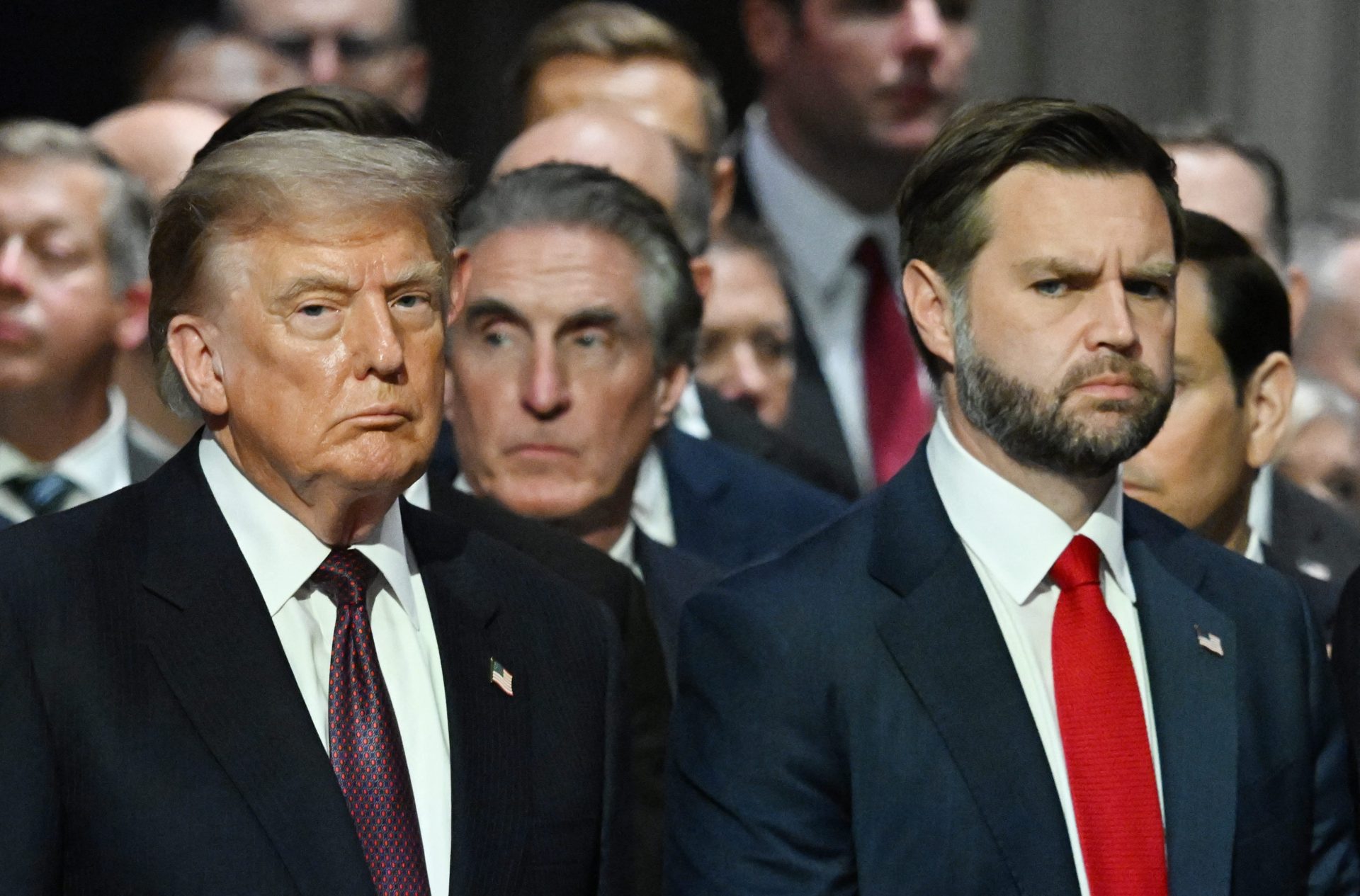
- Trump sidelines his Vice President JD Vance on November 12 from leading negotiations with Iran, assigning him instead to investigate alleged corruption in Democratic-led states.
- The decision came following remarks by Vance in which he considered the war in Iran to be a primary reason for the Republicans' defeat in the midterm elections.
- Experts downplay a complete fallout between the two men, suggesting Vance's regional network of contacts may still be needed if the energy crisis escalates.
A few days after a lengthy post on the "X" platform in which he attributed the Republicans' defeat in the midterm elections to entanglement in the war against Iran, U.S. Vice President JD Vance received a decisive response from President Donald Trump. After being presented by The Wall Street Journal as the chief negotiator on this sensitive portfolio for the coming months, Vance was abruptly sidelined on November 12 by direct decision of the occupant of the White House.
Disagreements Over the Course of the Iranian War
Through his preferred platform, Truth Social, Trump stated, "We don't need a deal with Iran," stressing that those days are long gone. He added: "We have their money, hundreds of billions of dollars, and we have their strait," even though maritime traffic in that waterway remains severely restricted, and frozen Iranian assets do not reach the figures he cited.
David Des Roches, former Pentagon director for Arabian Peninsula affairs, believes that "given the economic damage inflicted on Iran and the U.S. military capabilities deployed in the region, Washington sees no reason to make diplomatic concessions. Trump remains convinced that the blockade will ultimately force Tehran to capitulate."
Redirection Toward the Domestic Front
The matter did not stop at removing Vance from managing diplomacy with Tehran; Trump also asked him to direct his full focus toward "rampant corruption and crime in Democrat-run cities and states," directly targeting the states of California, led by Gavin Newsom, and Illinois, led by J.B. Pritzker—two governors regarded as prominent potential contenders in the 2028 presidential race.
Political analyses in Washington suggest that assigning this complex domestic portfolio to Vance effectively amounts to sidelining him, after he made an implicit critique of the Trump administration following the elections, writing: "Everyone knows why we lost, and any honest discussion about next steps has to start there." Although Trump had publicly described this postulation as "totally fine," it was interpreted in the capital's corridors as an attempt by Vance to create political distance in preparation for his own future.
Political Rift or Tactical Maneuver?
David Des Roches plays down the hypothesis of a complete "political divorce," explaining: "There is no real rift between Trump and Vance. There are indeed divergences in political views, but the Vice President remains a loyal executor. Trump's post was primarily aimed at diverting media attention from an uncomfortable file for him—the Iran war—and redirecting it toward a preferred arena concerning social welfare in Democratic states."
For his part, Matthew Schmitz, editor of Compact magazine, warned in an article of the difficulty of Vance's political position, noting that he has positioned himself as the embodiment of the MAGA movement and has come to appear "more Trumpian than Trump himself," complicating his bids for political independence ahead of 2028.
Nevertheless, Trump later returned in radio remarks with host Hugh Hewitt to adopt a more hardline tone toward Tehran, hinting at the possibility of resuming strikes and acknowledging that the survival of the Iranian regime in power until the end of his term would be considered a defeat. This vacillation could reopen the door for Vance, who in recent months has built an extensive network of contacts with Gulf states, mediators in Qatar and Pakistan, alongside indirect channels with Tehran; these are assets that could reassert themselves on the White House table if energy prices continue to rise and regional tensions worsen.
Source: L’Express
Comments (0)
You must log in to comment on articles.
Log in Sign upBe the first to comment on this article.