

AI Alerts Overwhelm Poison Control Centers in France with Unwarranted Calls
Poison control centers across France are facing an unprecedented surge in calls following the integration of AI overviews into Google search results, which frequently advise users to contact emergency lines for harmless situations.

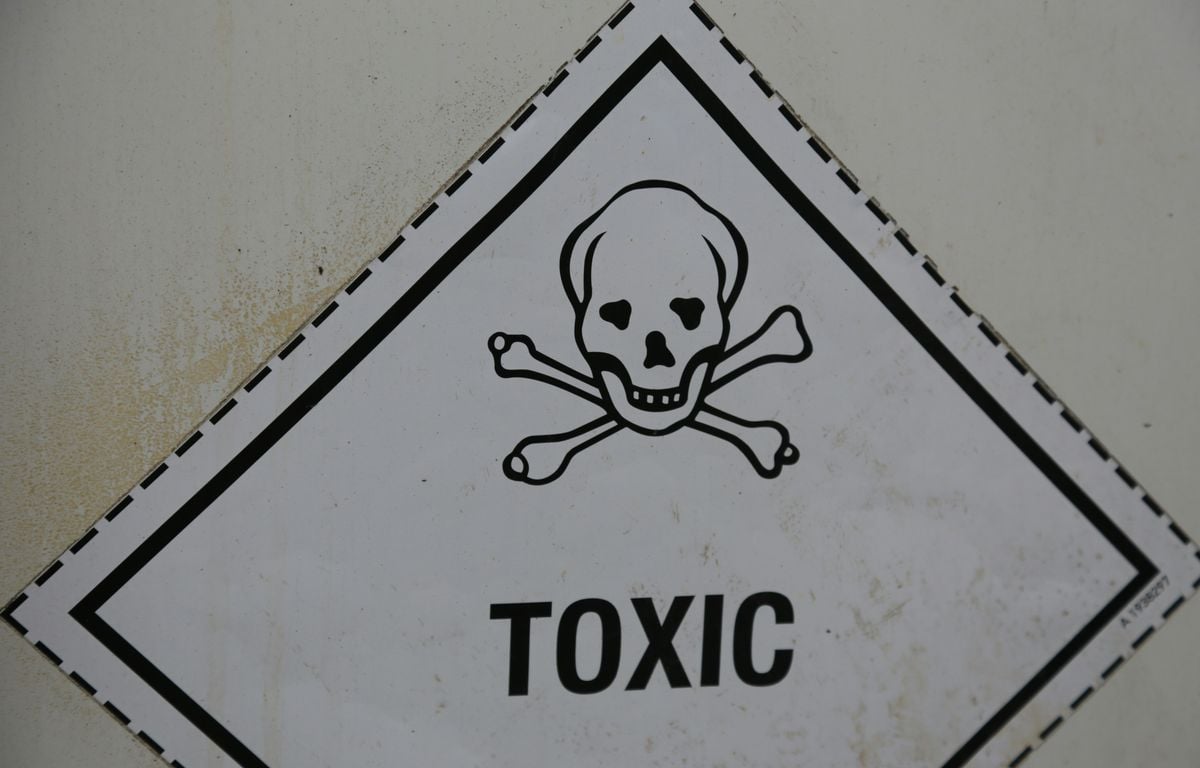
- A sharp surge in calls to poison control centers, increasing by over 60% in Bordeaux and 78% in Marseille since the summer.
- AI algorithms automatically advise users to call emergency hotlines over trivial matters, such as apple seeds and expiration dates.
- Centers are requesting €2 million in annual support from the Health Ministry to hire staff and are calling for algorithm recalibration.
Poison control centers across France have been facing massive and unexpected pressure since July 22, the date marking the automatic integration of artificial intelligence results into Google's search engine. This update has triggered a heavy influx of calls from the public due to excessive warnings generated by the software, leaving emergency medical response lines continuously saturated.
Record Numbers and Overcrowded Emergency Lines
Dr. Magali Labadie, head of the Bordeaux Poison Control Center, reported that the center's activity increased by an average of 42%, with the pace accelerating to exceed a 60% increase in November. A similar situation is unfolding in Marseille, where centers have recorded a 78% rise in call volume since the summer, according to Agence France-Presse (AFP).
This surge coincided with the wild mushroom foraging season, as many people rely on AI apps and tools to identify edible species without understanding precise identification criteria. Dr. Labadie warned against this practice, emphasizing that "mushrooms need to be smelled, touched, and carefully examined, which AI cannot do; relying on it is like playing Russian roulette."
False Alarms and Non-Urgent Inquiries
AI algorithms systematically recommend contacting a poison control center as a precautionary measure whenever a user inquires about a particular product or an expiration date. This has led to late-night calls for harmless reasons; Dr. Labadie received a call at 3:00 a.m. from an individual who had swallowed an apple core after AI flagged the presence of cyanide, requiring medical staff to explain that toxicity requires ingesting massive quantities of seeds. In another case, a panicked mother called after discovering cat feces in her child’s sandbox, prompted by AI exaggerating the list of potential hazards.
Threat to Critical Cases and Calls for Support
Medical personnel warned that being tied up with these non-urgent inquiries obstructs assistance for individuals experiencing real, severe poisoning requiring urgent care, noting that a delay of even a few minutes on hold can directly impact the survival chances of critical patients.
To address this escalating burden, the French Association of Poison Control Centers submitted an official request on October 14 to the Ministry of Health for an annual grant of €2 million to hire and train additional paramedical staff to handle incoming calls. The ministry confirmed that solutions are currently under review. Concurrently, the association has engaged with AI developers to recalibrate algorithms to prevent directing users automatically to emergency centers without medical necessity.
Source: 20 Minutes



Comments (0)
You must log in to comment on articles.
Log in Sign upBe the first to comment on this article.