

Disinformation and Provocations: Why France Avoids Retaliating in Kind Against Russian Interference
Despite an escalation in Russian-linked disinformation campaigns and provocations on French soil, Paris deliberately avoids retaliating in kind, bound by distinct intelligence doctrines and societal realities.

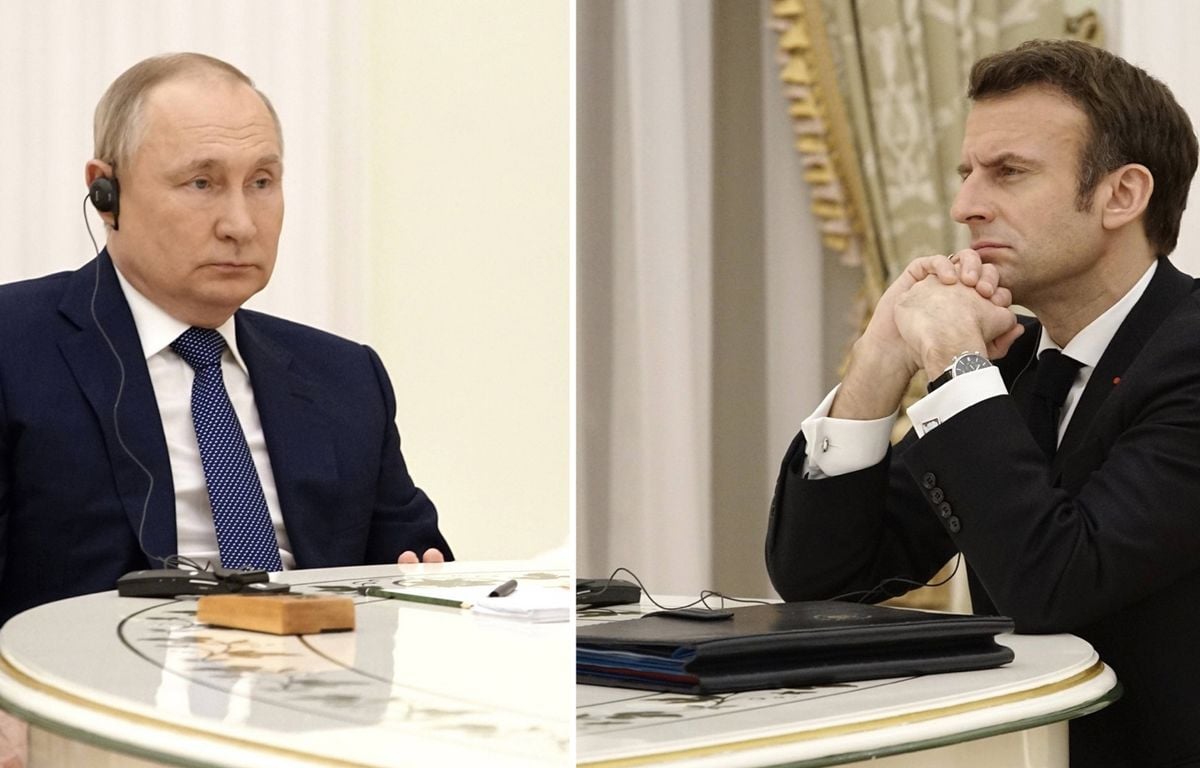
- The pace of provocations and disinformation campaigns in France attributed to Russian entities has escalated since the outbreak of the war in Ukraine in February 2022.
- The French Foreign Intelligence Service (DGSE) rejects methods of overt disinformation and bot farms, relying on utmost secrecy and the avoidance of direct escalation.
- Moscow fears human rights organizations and the defense of the rule of law more than cyberattacks, which Paris considers its most impactful strategic tool.
In recent months, against a backdrop of social tensions, controversies over the cost of living, and early maneuvering for the 2027 presidential election, France has witnessed a marked increase in disinformation incidents attributed to Russia. Among the most prominent was the targeting of high-profile political figures, such as Édouard Philippe and Gabriel Attal, in early November through smear campaigns coordinated by the pro-Russian network "Storm-1516".
Repeated Provocations on French Soil
These operations are not entirely new; from the "Macron Leaks" in 2017 to the cloning of major French media outlets between 2022 and 2024, along with the tagging of Stars of David and red hands across Île-de-France, and the placement of symbolic coffins beneath the Eiffel Tower, numerous disruptive acts have been traced back to Moscow-linked groups. These activities intensified following France's outspoken backing of Ukraine since the launch of the Russian invasion in February 2022. Nevertheless, no reciprocal French operations mirroring such tactics have been observed.
Societal Disparities and a Distinct Security Doctrine
Jean de Gliniasty, former French ambassador to Russia and senior research fellow at the French Institute for International and Strategic Affairs (IRIS), explains that Russia seeks to signal its nuisance capacity, whereas French strategic culture leans away from such overt actions. Instead, the French prefer to operate under the strictest secrecy and discretion whenever action is taken.
The former diplomat also notes that societal structure accounts for this absence. The Russian public is not easily swayed by overt Western disinformation campaigns, particularly since France's unconditional support for Ukraine has led many Russians to perceive France as being de facto at war with them. Consequently, Russian President Vladimir Putin can easily turn any Western operation to his advantage by rallying domestic patriotic sentiment.
French Intelligence Restraint and Red Lines
For his part, Olivier Mas, a former officer in the French foreign intelligence service (DGSE), rules out the prospect of Paris adopting Russian psychological warfare methods. He stresses that France disdains the use of automated bot farms and the manipulation of news, recalling Paris's prior refusal of an American proposal to launch a dedicated broadcasting outlet for such operations.
Nevertheless, the former officer confirms that the service has prepared, executable contingency plans should the French presidency request them, notably in the cyber domain by dismantling bot farms. Such operations remain subject to stringent safeguards to prevent digital payloads from spreading uncontrollably or harming civilians, while safeguarding the operational secrecy of the agency's Action Division and avoiding an escalation toward open military conflict.
The Most Potent Weapon Against Moscow
Conversely, Jean de Gliniasty argues that France and the West possess a considerably more effective instrument against Moscow: supporting organizations defending human rights, civil liberties, and the environment. These causes strike a chord with segments of Russian society, particularly regarding the suppression of artists and activists. Because Russian authorities perceive this scrutiny as a direct threat and designate such groups as hostile, Western support for these organizations serves as a potent strategic lever far exceeding the impact of disinformation warfare.
Source: 20 Minutes



Comments (0)
You must log in to comment on articles.
Log in Sign upBe the first to comment on this article.